
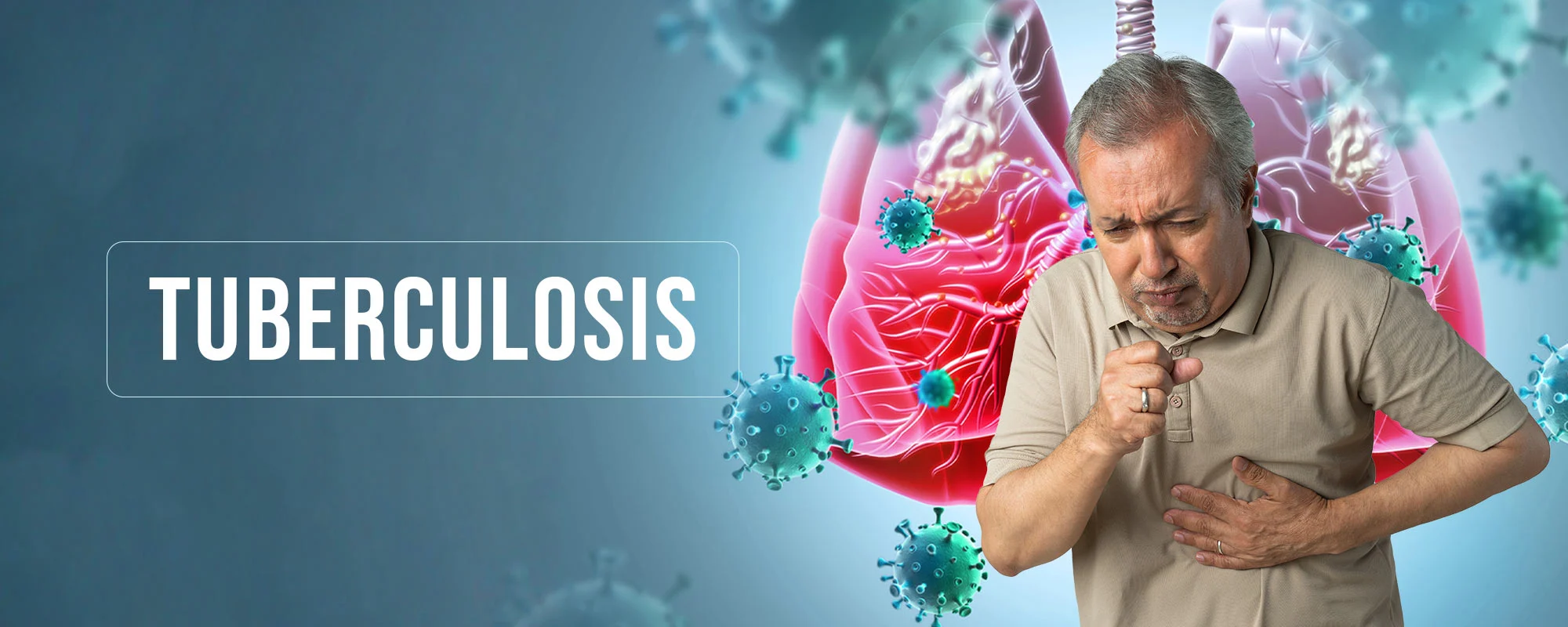
Tuberculosis Treatment Guide: Symptoms, Causes, and How Homeopathy Can Support Faster Recovery
Tuberculosis is a serious bacterial infection that mainly affects the lungs but can also impact other organs. Although it is treatable, delayed diagnosis and a weak immune system can slow recovery and cause complications. Today, many people are exploring how conventional medicine can work together with holistic methods that strengthen the body and improve long-term health.
This guide breaks down tuberculosis in plain, practical terms, covering its symptoms, causes, recovery patterns, and the role supportive care can play in helping the body heal more completely.
What Is Tuberculosis and Why Early Detection Makes All the Difference?
Tuberculosis is caused by the bacterium Mycobacterium tuberculosis, which spreads through the air when an infected person coughs, sneezes, or talks. Once inhaled, the bacteria can remain inactive in the body or become active, depending mostly on the strength of a person’s immune system.
Finding tuberculosis early is key to a full recovery. When caught early, treatment works much better, and the risk of complications is much lower. The longer it goes unnoticed, the higher the chance of permanent lung damage and a longer recovery time.
Tuberculosis is more than just an infection; it also shows how strong or weak the body’s immune system is.
Common Causes and Risk Factors of Tuberculosis
Tuberculosis doesn’t develop just from exposure. It takes hold when bacteria meet a body that isn’t strong enough to fight them off. Certain lifestyle habits and environmental factors can greatly affect this balance.
Key risk factors include:
- Poor nutrition leads to low immunity.
- Close contact with infected individuals.
- Overcrowded or poorly ventilated living spaces.
- Chronic stress and lack of rest.
- Existing health conditions that weaken resistance.
Recognising these risk factors is the first step toward both preventing and managing the condition more effectively.
Early Symptoms of Tuberculosis That Should Never Be Overlooked
Spotting the warning signs early can prevent significant harm. Tuberculosis rarely announces itself loudly; it often starts with subtle symptoms that gradually worsen over time.
Common symptoms include:
- Persistent cough lasting more than two weeks.
- Chest discomfort or pain.
- Fatigue and constant tiredness.
- Loss of appetite and weight.
- Fever and night sweating.
Since these symptoms come on slowly, it is easy to mistake them for normal tiredness or a lingering cold. That is why noticing whether they persist is so important, as early action can significantly improve recovery.
Homeopathy Treatment for Tuberculosis: A Supportive Approach to Healing
Homeopathy treatment for tuberculosis does not replace medical care; it supports it. The goal is to strengthen the body from within and help healing happen more effectively alongside prescribed treatments.
The process starts by fully understanding the person, including their health, immunity, lifestyle, and how their body reacts to the infection. Remedies are then selected specifically for that individual, not just the illness.
This approach helps in:
- Strengthening immune response.
- Reducing fatigue and weakness.
- Supporting faster recovery.
- Improving overall well-being.
With consistent care, many individuals begin to notice a gradual return of energy and a stronger ability to ward off further infections.
The Best Homeopathy Treatment for Tuberculosis and Its Long-Term Benefits
The best homeopathy treatment for tuberculosis stands out because it focuses on individual care and consistency. Since no two patients experience the illness the same way, a one-size-fits-all method doesn’t work.
When followed consistently, this approach can offer meaningful long-term benefits:
- Improved recovery support during treatment.
- Enhanced immunity to prevent relapse.
- Better energy levels and stamina.
- Reduced dependency on repeated medications.
By focusing on long-term health instead of just easing symptoms, this method helps achieve true recovery and lasting physical strength.
Tuberculosis Homeopathic Treatment and the Importance of Individualised Care
Tuberculosis homeopathic treatment is based on a simple but important idea: treat the person, not just the disease. During the consultation, every aspect of the patient’s life, including their emotions, physical health, daily habits, and stress levels, is carefully considered.
This personal approach means no two treatment plans are the same. It helps the body fight the infection more effectively and supports a steadier, longer-lasting recovery.
In a condition like tuberculosis, where treatment spans months and internal balance is everything, this kind of consistent, individualised attention makes a real difference.
When Should You Seek Medical Help for Tuberculosis
Tuberculosis is not something to handle alone or ignore. Getting professional medical care is essential for an accurate diagnosis and an effective treatment plan.
You should seek medical attention if:
- Cough persists beyond two weeks.
- There is unexplained weight loss.
- Fever and fatigue continue for several days.
- Breathing becomes difficult.
Taking action early not only boosts your chances of a full recovery but also helps protect the people around you.
Daily Habits That Support Faster Recovery
Treatment is only part of the process. The habits you develop during recovery, such as how you eat, rest, and handle stress, can directly affect how quickly and fully your body heals.
Important habits include:
- Maintaining a nutritious and balanced diet.
- Getting adequate rest and sleep.
- Staying hydrated throughout the day.
- Avoiding physical and mental stress.
- Following medical advice consistently.
Together, these habits create an environment where the body can genuinely rebuild its strength and restore its defences.
How to Choose the Best Homeopathy Clinic Near You for Reliable Care
Finding the best homeopathy clinic near you is about more than convenience; it is about trusting your health to skilled hands. The practitioner’s experience and the quality of the first consultation shape everything that comes next.
A reliable clinic provides:
- Detailed patient evaluation.
- Personalised treatment plans.
- Continuous monitoring of progress.
- Clear guidance and support.
The right clinic does not just provide remedies; it provides a structured, trustworthy partnership throughout your recovery.
Nutrition Tips to Strengthen Immunity During Tuberculosis
What you eat during tuberculosis treatment matters more than most people realise. A well-balanced, nutrient-dense diet actively helps the body repair damaged tissue, fight infection, and rebuild its immune defences.
Focus on:
- Protein-rich foods for tissue repair
- Fresh fruits and vegetables for vitamins
- Whole grains for sustained energy
- Adequate fluid intake
It is just as important to avoid processed foods, sugary snacks, and anything that provides calories without nutritional value, as these can quietly slow down the healing process.
Common Myths About Tuberculosis
| Tuberculosis is no longer common | It still affects many people worldwide |
| Only the lungs are affected | It can affect other organs as well |
| It spreads through touch | It spreads through airborne droplets |
| Recovery is quick | It requires consistent and long-term treatment |
| Once cured, it never returns | Relapse is possible without proper care |
What Happens If Tuberculosis Is Left Untreated
Leaving tuberculosis untreated is very risky, not only for the person affected but also for those close to them. The infection does not stay in one place; it can spread through the lungs and eventually affect other organs.
Untreated cases may result in:
- Severe lung damage
- Breathing difficulties
- Spread of infection to others
- Long-term health complications
Getting treatment on time is the only sure way to avoid these problems and give the body a real chance to recover fully.
Why Tuberculosis Symptoms Are Often Ignored in Early Stages
One of the biggest challenges with tuberculosis is that early symptoms are mild and easy to miss. Many people think it’s just a normal cough or seasonal tiredness.
The gradual onset of symptoms makes it difficult to identify the seriousness of the condition. By the time symptoms become severe, the infection may already have progressed.
Knowing this pattern is important. Being aware early can lead to a quicker diagnosis and a better chance of recovery.
Latent vs Active Tuberculosis: What You Need to Know
Tuberculosis does not always show immediate symptoms. It can exist in two forms, and understanding the difference is crucial.
| Latent TB | Active TB |
| Bacteria present but inactive | Bacteria actively multiplying |
| No symptoms | Visible symptoms |
| Can become active later | Highly infectious |
Latent tuberculosis can go unnoticed for years. But if immunity weakens, it can become active, so regular health check-ups are important.
Can Tuberculosis Affect Organs Other Than Lungs?
Most people associate tuberculosis only with the lungs, but it can also affect other parts of the body.
Extrapulmonary tuberculosis can impact:
- Lymph nodes
- Bones and joints
- Kidneys
- Brain
When TB affects other organs, symptoms change depending on the area involved. This makes diagnosis more difficult and underscores the importance of a thorough evaluation.
Why Immunity Plays a Key Role in Tuberculosis Recovery
The immune system is the body’s main defence against tuberculosis bacteria. A strong immune response can help keep the infection in check and speed up recovery. When immunity is weak, bacteria multiply more easily, leading to an active infection. This is why people with poor nutrition or ongoing stress are more at risk.
Boosting immunity not only aids recovery but also lowers the risk of the illness returning.
How Tuberculosis Spreads in Daily Life
Knowing how tuberculosis spreads helps prevent infection. It does not spread through touch or sharing food but through tiny airborne particles.
The infection spreads when an affected person:
- Coughs or sneezes.
- Talks or laughs in proximity.
- Spends time in poorly ventilated spaces.
Good airflow, hygiene, and awareness can greatly reduce the risk of tuberculosis transmission.
Can Tuberculosis Be Prevented Completely?
Many people worry about prevention. While it is not possible to eliminate all risk, it can be reduced significantly.
Preventive measures include:
- Maintaining strong immunity.
- Avoiding close contact with infected individuals.
- Ensuring proper ventilation in living spaces.
- Following a balanced and nutritious diet.
Preventing illness is always better than treating it, especially with infections.
Tuberculosis Recovery Timeline: What to Expect
| Phase | Duration | Progress |
| Initial Phase | 2 to 4 weeks | Symptoms begin to reduce |
| Recovery Phase | 1 to 3 months | Strength gradually improves |
| Stabilisation | 3+ months | Immunity strengthens |
Why Fatigue Persists Even After Treatment
Many people feel tired for a long time even after finishing treatment. This is because the body needs time to regain strength and repair damaged tissues. Tuberculosis significantly reduces energy levels, and recovery is not a quick process. Good nutrition, rest, and consistent support are key to restoring strength. Being patient during this time is important for full recovery.Mental Health Impact of Tuberculosis
Tuberculosis affects more than just physical health; it can also impact mental well-being. Living with a long illness, being isolated during treatment, and worrying about spreading the infection can cause stress and anxiety. This emotional strain can further weaken the immune system. Taking care of mental health with positive habits and emotional support is an important part of healing.Weight Loss in Tuberculosis: Why It Happens
Unexplained weight loss is a common symptom of tuberculosis. It happens because the body’s metabolism speeds up and appetite decreases. The body burns more energy fighting the infection, causing gradual weight loss. Gaining weight back needs a balanced diet and steady nutritional support. Keeping an eye on weight changes can also help track how well recovery is going.Red Flag Symptoms That Require Immediate Attention
Some symptoms suggest the condition may be worsening and require immediate medical attention. These include:- Severe breathing difficulty.
- Continuous high fever.
- Blood in the cough.
- Extreme weakness.
Tuberculosis vs Normal Cough: How to Differentiate
| Duration | Few days | More than two weeks |
| Severity | Mild to moderate | Gradually increasing |
| Associated Symptoms | Cold or throat irritation | Weight loss, fever, fatigue |
| Recovery | Quick | Requires treatment |
Homeopathy Treatment For Tuberculosis
Dr. Care offers world-class, safe, and highly approved medicines for Tuberculosis that ensures relief from the infection. Homeopathy is an ideal method to counter the attack of TB as it poses no threat of side effects and future health complications and it assures smooth curing process. Treatment for Tuberculosis is available at all the branches of Dr. Care Homeopathy Clinic.
For more about the treatments and services offered by Dr. Care Homeopathy Call Us @ 07337557853.
Book an Appointment
Please fill out the form below to schedule your appointment.
Tuberculosis
Key Highlights
At Dr Care Homeopathy, we are committed to supporting TB care with
attentive, immunity-building therapies alongside conventional treatment.
Our holistic approach assists recovery and strengthens respiratory resilience.
+91 7337557851
whenever you need us
nationwide for easy accessibility
homeopathic doctors providing specialized care.
patients successfully treated for various health concerns.
Frequently Asked Questions
What is tuberculosis
Tuberculosis is a contagious bacterial infection caused by Mycobacterium tuberculosis, primarily affecting the lungs but capable of spreading to other organs.
Can tuberculosis be treated completely
Yes. With timely diagnosis and a full course of medical treatment, most people recover completely.
Is homeopathy safe for tuberculosis support
Yes. Homeopathy is considered a safe complementary support that works alongside prescribed medical treatment, not in place of it.
How long does recovery take
It varies. Standard treatment typically spans six months or more, depending on the severity of the infection and the individual’s overall health and immune response.
Can tuberculosis spread easily
Yes, it spreads through the air when an infected person coughs or sneezes.
What foods help during recovery
Nutritious foods rich in protein and vitamins support healing.
Is rest important during treatment
Absolutely. The body does most of its repair work during rest, making adequate sleep and reduced physical strain core to the recovery process.
Can tuberculosis return after treatment
Yes, particularly if treatment is not completed fully or if the immune system remains compromised. This is why ongoing care and lifestyle support matter even after recovery.
Should I isolate during infection
Yes, to prevent spreading the infection to others.
When should I consult a doctor
As soon as symptoms appear, especially a cough lasting more than two weeks, unexplained weight loss, or persistent fever, consult a doctor without delay.