
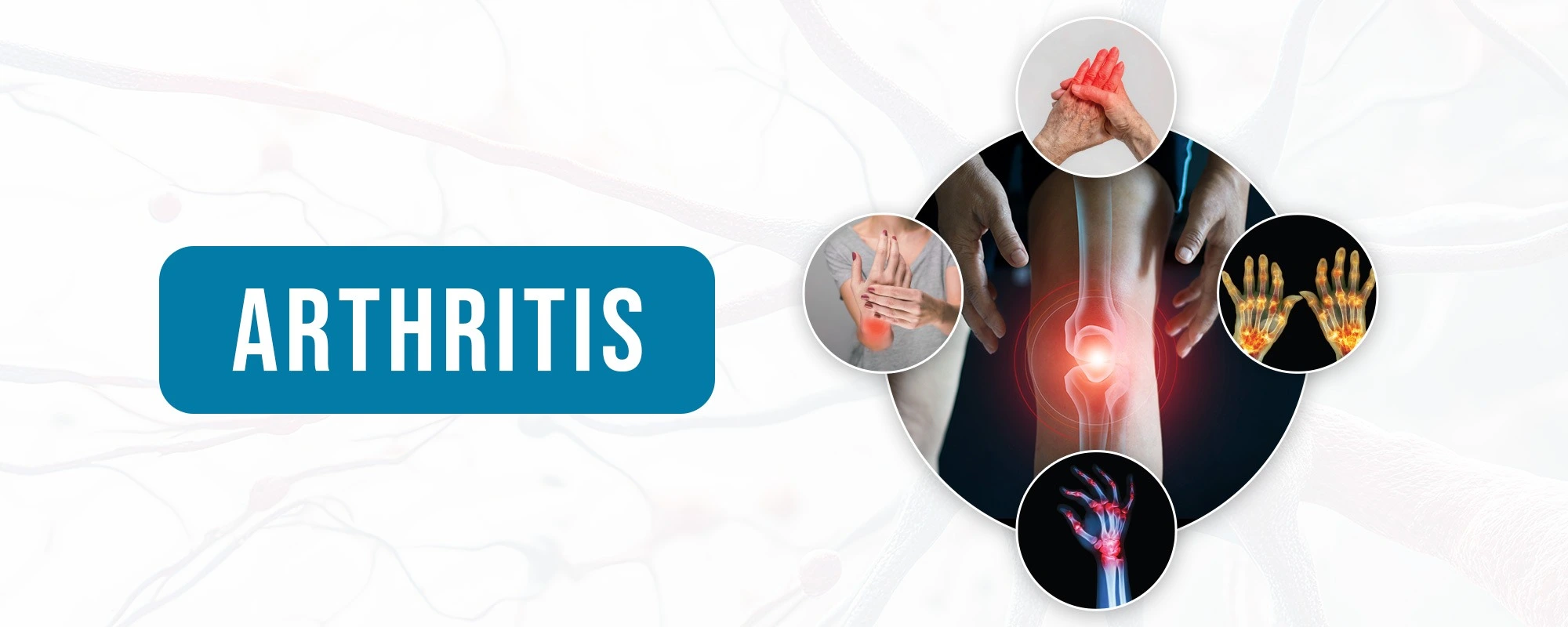
Homeopathy Treatment For Arthritis
Understanding Rheumatoid Arthritis
What Happens in the Body During Rheumatoid Arthritis
Rheumatoid Arthritis is a long-term autoimmune condition that mainly targets the joints. In this condition, your immune system mistakenly attacks healthy joint tissues, leading to inflammation, pain, and swelling. Over time, this ongoing inflammation can sadly damage cartilage and bone, making movement harder and sometimes causing the joints to change shape.
Unlike joint pain from ageing or injuries, Rheumatoid Arthritis causes widespread inflammation, often affecting several joints simultaneously. The hands, wrists, knees, and feet are most often involved, though other joints can also be affected.
People turn to comprehensive care, such as homeopathic treatment for Rheumatoid Arthritis, to reduce symptoms, improve joint comfort, and enhance overall quality of life by addressing underlying immune imbalances.
Early Symptoms of Rheumatoid Arthritis
Signs That May Appear Before Severe Joint Damage
Recognising the early signs of Rheumatoid Arthritis makes a big difference. Early support and management can help you protect your joints and live with more comfort down the road. Some symptoms include:
- Persistent joint pain and stiffness
- Swelling around the joints
- Warmth and redness in affected areas
- Morning stiffness lasting longer than 30 minutes
- Fatigue and general weakness
These symptoms usually develop gradually and may worsen during flare-ups. Some people may also notice mild fever or decreased appetite. Homeopathy for Rheumatoid Arthritis is part of a broader approach to joint comfort and well-being.
Causes and Risk Factors
Why Rheumatoid Arthritis Develops?
While the precise cause of Rheumatoid Arthritis remains unclear, several factors are thought to contribute to its development.
Possible causes and risk factors include:
- Genetic predisposition
- Immune system dysfunction
- Hormonal influences
- Environmental triggers
- Smoking and lifestyle factors
These factors interact in complex ways, leading to the chronic joint inflammation many people with Rheumatoid Arthritis experience. It’s important to remember you are not alone—many others face similar challenges, and your experiences matter. Recognising these triggers helps healthcare professionals tailor management plans to reduce symptoms and enhance daily function, including homeopathic treatment for Rheumatoid Arthritis tailored to individual needs.
How Rheumatoid Arthritis Affects Daily Life?
Impact on Movement and Quality of Life
Rheumatoid Arthritis impacts daily activities. Joint stiffness and swelling make simple tasks like walking or opening jars difficult.
Common challenges include:
- Reduced mobility and flexibility
- Difficulty performing daily tasks
- Fatigue due to chronic inflammation
- Emotional stress related to chronic pain
Because the condition usually progresses slowly, long-term care strategies are designed to help you manage inflammation and preserve joint function, so you can continue enjoying life to the fullest. Doctors Identify Rheumatoid Arthritis
Accurate diagnosis is essential for effective management of Rheumatoid Arthritis. Doctors evaluate symptoms through physical examination and diagnostic tests.
- Blood tests to detect inflammatory markers
- Imaging tests such as X-rays or MRI scans
- Evaluation of joint swelling and tenderness
- Medical history and symptom patterns
Proper diagnosis enables practitioners to recommend care strategies that aim to relieve symptoms, support joint function, and, for those interested, explore homeopathic treatment as a complementary approach.
Understanding the Difference Between Common Types of Arthritis
Rheumatoid Arthritis vs Osteoarthritis vs Gout
Many people confuse the types of arthritis because they share symptoms such as joint pain and stiffness. However, their causes and progression differ. Rheumatoid arthritis is an autoimmune disease, osteoarthritis results from joint wear and tear, and gout occurs when uric acid crystals accumulate in joints.
By understanding the differences between arthritis types, you can better recognise your symptoms and seek the care that’s right for you. You’re taking important steps for your health by learning more.
Comparison Table: Rheumatoid Arthritis vs Osteoarthritis vs Gout
Book an Appointment
Please fill out the form below to schedule your appointment.
Arthritis
Primary cause
An autoimmune reaction where the immune system attacks the joint lining
Degeneration of cartilage due to long-term joint wear
Buildup of uric acid crystals in joints |
Onset pattern
Gradual onset affecting multiple joints
Slowly develops over the years
Sudden attacks that may occur overnight
Common joints affected
Hands, wrists, knees, ankles
Knees, hips, spine, hands
Usually begins in the big toe but may affect other joints
Pain characteristics
Persistent joint pain and swelling with stiffness
Pain worsens with activity and improves with rest
Intense sudden pain with redness and swelling
Inflammation level
Significant inflammation due to an immune response
Usually mild inflammation
Severe inflammation during flare-ups
Symmetry of symptoms
Often affects joints on both sides of the body
Usually affects joints individually
Typically affects one joint at a time initially
Additional symptoms
Fatigue, fever, and systemic inflammation
Limited range of motion and joint stiffness
Red, hot, swollen joint with extreme tenderness
Disease progression
Chronic autoimmune disease that may damage joints over time
Progressive degeneration of cartilage
Recurrent episodes triggered by uric acid levels
Research shows that rheumatoid arthritis is caused by the immune system’s activity attacking joint tissues. In contrast, gout results from excess uric acid forming crystals in joints, often affecting the big toe first.
Why Does Differentiating These Conditions Matter?
Although all three affect joints, their treatments differ. Misidentifying the type of arthritis may delay care and worsen the condition.
Key reasons early identification is important include:
- Preventing joint damage
- Reducing inflammation and pain
- Improving mobility and quality of life
- Developing an effective long-term management plan
Recognising symptom patterns and consulting experienced healthcare professionals helps ensure accurate diagnosis and appropriate care.
Role of Lifestyle in Managing Joint Health
Habits That Support Mobility and Comfort
Lifestyle choices play an important role in supporting joint health and managing inflammation.
Helpful practices include:
- Maintaining a healthy body weight
- Engaging in gentle physical activity such as walking or stretching
- Following an anti-inflammatory diet rich in fruits and vegetables
- Managing stress through relaxation techniques
- Ensuring adequate rest and sleep
These habits improve well-being and complement medical treatment.
Nutritional Support for Joint Health
Essential Nutrients That Strengthen Bones and Cartilage
Proper nutrition supports maintaining healthy joints. Several nutrients contribute to bone strength and the control of inflammation.
Important nutrients include:
- Omega-3 fatty acids that support anti-inflammatory processes
- Calcium and vitamin D for bone strength
- Vitamin C for collagen formation
- Magnesium for muscle and joint function
- Antioxidants that protect tissues from damage
Balanced nutrition helps maintain stronger joints and better overall health.
Long-Term Outlook for Rheumatoid Arthritis Patients
Understanding Disease Progression and Management
Rheumatoid arthritis is a chronic autoimmune disorder that develops gradually and may last many years. Severity and progression vary widely. Some experience mild symptoms with occasional flare-ups, while others have persistent inflammation affecting multiple joints.
Early diagnosis is critical for effective management. Prompt treatment reduces pain, slows progression, and maintains mobility.
A comprehensive management plan usually focuses on several important goals:
- Reducing inflammation in affected joints
- Preserving joint flexibility and movement
- Preventing structural joint damage
- Supporting overall physical and emotional well-being
Regular medical evaluation helps healthcare professionals monitor symptoms and adjust treatment. This proactive approach enables many to maintain an active lifestyle despite a chronic condition.
How Emotional Health Influences Inflammation
Stress can influence immune responses and worsen autoimmune conditions. Emotional strain can increase inflammation, potentially triggering flare-ups.
Stress management techniques such as meditation, breathing exercises, and mindfulness practices can support both mental and physical health.
Supporting emotional well-being is an important aspect of managing chronic conditions.
The Role of Inflammation in Joint Damage
How Chronic Inflammation Affects Joint Structure?
Inflammation is the central mechanism behind rheumatoid arthritis. When the immune system mistakenly attacks the joint lining, it causes swelling of the synovial membrane. Over time, this inflammation can gradually damage cartilage and bone.
If inflammation remains uncontrolled for extended periods, it may lead to:
- Joint deformity
- Reduced range of motion
- Weakening of surrounding tissues
Managing inflammation effectively is one of the most important aspects of long-term joint care.
Why Individualised Care Matters?
Every person experiences Rheumatoid Arthritis differently. Some have mild symptoms that progress slowly, while others experience rapid joint changes.
Personalised treatment considers:
- Severity of joint inflammation
- Overall health status
- Lifestyle factors
- Medical history
This approach lets healthcare providers recommend treatment strategies that address each patient’s individual needs.
Factors to Consider When Seeking Care
Managing chronic joint conditions requires professional guidance. Patients seek experienced practitioners and comprehensive treatment approaches.
Many seek the best homeopathy clinic in India for personalised plans and consistent care, as these clinics strive to help manage symptoms, improve mobility, and support overall joint health over time.
A reliable clinic provides thorough evaluations, ongoing support, and aims to empower patients with effective tools to manage symptoms, maintain joint movement, and improve long-term well-being.
Take Action Early for Joint Health
Why Early Care Can Improve Outcomes?
Rheumatoid ArthritiRheumatoid Arthritis is progressive, but early management can reduce joint damage and improve quality of life. Early advice, based on the earliest signs of persistent joint pain, helps individuals understand the condition and begin appropriate care.
Holistic strategies, such as combining medical advice, lifestyle adjustments, and supportive therapies, are designed to help reduce discomfort, maintain joint mobility, and improve daily life for those with Rheumatoid Arthritis.
Book Your Consultation Today
Start Your Journey Toward Better Joint Health
If persistent joint pain, swelling, or stiffness is affecting your daily activities, early medical evaluation is important.
Consult experienced professionals offering Homeopathy treatment for Rheumatoid Arthritis to discuss approaches aimed at managing symptoms, supporting joint health, and achieving better long-term comfort.
Choosing the best homeopathy clinic in India offers professional guidance and personalised care, helping patients receive ongoing support and treatment to manage joint inflammation and enhance their quality of life.
Key Highlights
At Dr Care Homeopathy, we are committed to relieving
arthritis symptoms through anti-inflammatory, joint-supportive care.
Our holistic treatment improves mobility, reduces pain, and enhances daily comfort.
+91 7337557851
whenever you need us
nationwide for easy accessibility
homeopathic doctors providing specialized care.
patients successfully treated for various health concerns.
Frequently Asked Questions
What is Arthritis?
A condition that affects the joints or the tissues around the joint is called Arthritis. Most varieties of Arthritis induce pain and stiffness in the damaged joint or the surrounding area.
What are the common types of Arthritis?
Rheumatoid Arthritis and Osteoarthritis are common forms of Arthritis. The stiff, slippery tissue covering the ends of bones where they meet to form a cartilage joint begins to break down due to osteoarthritis. An autoimmune disorder called Rheumatoid Arthritis occurs when the immune system unintentionally attacks the lining of the joints.
What are the symptoms related to Arthritis?
Different arthritis types cause various symptoms. Common symptoms of most Arthritis include pain and stiffness in and around one or more joints. Different types of Arthritis can cause symptoms to appear suddenly or gradually over time. Symptoms could be transient or last over time.
Does cold weather increase the pain of Arthritis?
Although cold weather doesn’t cause Arthritis, it can worsen joint discomfort from both inflammatory and non-inflammatory types of Arthritis. Low temperatures can also stiffen joints and enhance pain sensitivity by thickening synovial fluid, which acts as a natural shock absorber for our joints.
Homeopathy treatment for Arthritis?
Homoeopathy treatments are administered based on various characteristics, from a patient’s physical and mental health to likes and dislikes, rather than for a specific medical condition. Knee pain and pain from contacting a painful joint can both be greatly reduced by homeopathic treatments. It boosts the body’s immune system and lessens the effect of arthritis symptoms.