Homeopathy Treatment For Hyperthyroidism
What Is Hyperthyroidism and Why Does the Thyroid Become Overactive?
How Does the Thyroid Gland Control Metabolism?
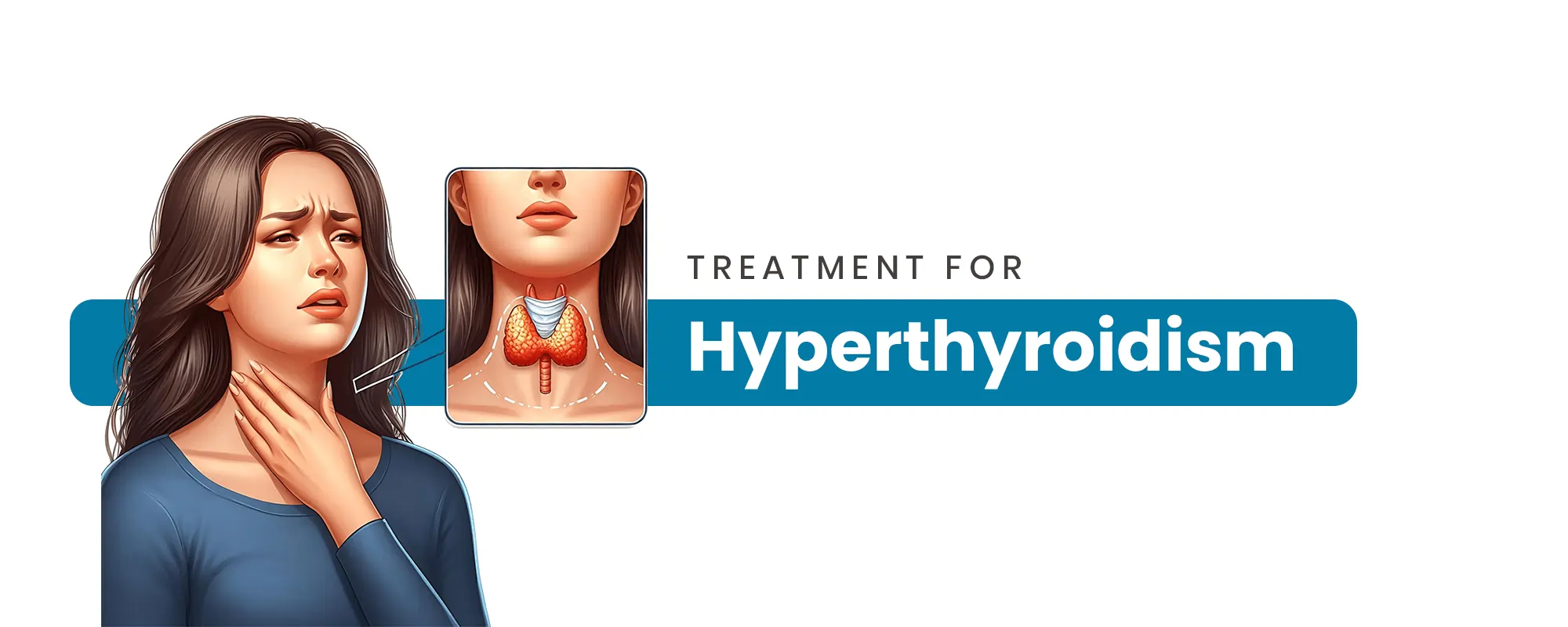
The thyroid is a small, butterfly-shaped gland in your neck that plays an important role in your health. It controls metabolism, heart rate, body temperature, and energy by releasing hormones that help your body convert food into energy.
Hyperthyroidism develops when the thyroid gland releases too much hormone, accelerating many bodily functions. This heightened activity can strain organs like the heart, brain, and digestive system.
Since hyperthyroidism affects many parts of the body, many people use homeopathy as a complementary way to help balance hormones and support overall health.
What Are the Early Symptoms of Hyperthyroidism?
Which Signs Should Not Be Ignored?
Hyperthyroidism often develops slowly, and early signs might seem like stress or tiredness. However, physical and emotional symptoms may indicate an overactive thyroid.
Common symptoms include:
- Rapid heartbeat or palpitations.
- Unexplained weight loss despite normal appetite.
- Increased sweating.
- Nervousness or anxiety.
- Tremors in the hands.
- Difficulty sleeping.
- Heat intolerance.
Thyroid hormones affect metabolism and the nervous system, so that symptoms can differ widely between people.
Why Does Hyperthyroidism Occur?
What Causes the Thyroid to Produce Excess Hormones?
Different medical conditions and lifestyle factors can cause the thyroid to become overactive.
Some common causes include:
- Graves’ disease, an autoimmune disorder affecting the thyroid
- Thyroid nodules that produce excess hormones
- Inflammation of the thyroid gland
- Excess iodine intake in some individuals
- Hormonal imbalances affecting endocrine regulation
Knowing what causes the thyroid to be overactive helps healthcare providers recommend the best treatment.
Is it affecting the Body’s Organs?
Why Does an Overactive Thyroid Influence Multiple Systems?
Thyroid hormones affect nearly every cell in the body. When their levels get too high, many organs can become overactive.
Possible effects include:
- Increased heart rate and cardiovascular strain.
- Faster metabolism leading to weight loss.
- Digestive changes, such as frequent bowel movements.
- Nervous system overstimulation.
- Mood changes and irritability.
Since these symptoms can interfere with daily life, it’s important to get checked early.
How Is Hyperthyroidism Diagnosed?
Which Tests Confirm Thyroid Hormone Imbalance?
Doctors usually diagnose hyperthyroidism by checking thyroid hormone levels through blood tests.
Common diagnostic evaluations include:
- Thyroid-stimulating hormone test.
- Free T3 and Free T4 hormone levels.
- Thyroid antibody tests.
- Ultrasound or imaging when required.
These tests show the severity of the condition and help guide treatment decisions.
How Does Homeopathy Approach Thyroid Imbalance?
Why Is Individualised Treatment Important?
Homeopathy treats the whole person, not just the test results. Practitioners consider emotional health, lifestyle, body type, and family history when choosing remedies.
Because of this, homeopathy treatment for hyperthyroidism is very personalised. Two people with the same diagnosis might receive different treatments based on their unique symptoms and health conditions.
The goal is to support the body’s natural balance and help maintain steady hormone levels.
Which Lifestyle Habits Support Thyroid Balance?
What Daily Practices Help Manage Thyroid Overactivity?
Making lifestyle changes can be important for supporting healthy thyroid function.
Helpful habits include:
- Maintaining regular sleep patterns.
- Managing stress through relaxation techniques.
- Eating balanced meals with whole foods.
- Avoiding excessive caffeine intake.
- Engaging in moderate physical activity.
These habits help keep your metabolism steady and support your overall hormone health.
Which Foods Support Thyroid Health?
How Does Nutrition Influence Hormonal Balance?
What you eat affects your thyroid and metabolism. Eating nutrient-rich foods helps regulate hormones and maintain balanced energy levels.
Beneficial dietary choices include:
- Fresh fruits and vegetables
- Whole grains that provide sustained energy
- Healthy fats from nuts and seeds
- Lean protein sources
A balanced diet is important for your metabolism and hormone health.
How Do Hyperthyroidism and Hypothyroidism Differ?
Comparison Table: Hyperthyroidism vs Hypothyroidism
Understanding the differences between hyperthyroidism and hypothyroidism can help you spot symptoms earlier.
| Condition | Hormone Activity | Common Symptoms | Metabolism Effect |
| Hyperthyroidism | Excess thyroid hormone production | Weight loss, rapid heartbeat, anxiety | Metabolism becomes faster |
| Hypothyroidism | Insufficient thyroid hormone production | Fatigue, weight gain, dry skin | Metabolism slows down |
This comparison clarifies why the symptoms of these thyroid disorders can vary so much.
How Does Hyperthyroidism Compare With Other Thyroid Disorders?
Comparison Table: Hyperthyroidism vs Thyroiditis vs Goitre
| Condition | Main Cause | Common Symptoms | Long-Term Impact |
| Hyperthyroidism | Excess hormone production | Palpitations, weight loss, nervousness | Requires medical monitoring |
| Thyroiditis | Inflammation of the thyroid gland | Neck discomfort, temporary hormone imbalance | Often temporary |
| Goiter | Enlargement of the thyroid gland | Visible swelling in the neck | Depends on the underlying cause |
Spotting these distinctions helps healthcare providers choose the right treatment approach.
Why Is Hyperthyroidism Increasing Among Younger Adults Today?
What Lifestyle Factors Contribute to Thyroid Overactivity?
Thyroid problems are happening more often in younger adults. Genetics and autoimmune conditions still matter a lot, but lifestyle choices today are having a bigger impact on hormone balance.
Daily habits such as ongoing stress, not getting enough sleep, drinking too much caffeine, and eating poorly can upset the hormone system. This may cause the thyroid to produce too many hormones and become overactive.
Working long hours, feeling stressed, and always using digital devices can affect the nervous system, which is linked to thyroid function. If the nervous system stays active too long, it can cause metabolism to speed up too much.
By spotting these lifestyle triggers early, people can notice warning signs and take action to protect their thyroid health.
Can Hyperthyroidism Affect the Heart and Circulation?
Why Do Patients Experience Palpitations and Rapid Pulse?
Hyperthyroidism strongly affects the heart and blood flow because thyroid hormones regulate heart rate and circulation.
When thyroid hormone levels are high, the heart has to work harder and beats faster. This often causes symptoms such as:
- Persistent palpitations.
- Rapid heartbeat.
- Increased blood pressure fluctuations.
- Shortness of breath during mild activity.
If left untreated, severe hyperthyroidism can raise the risk of irregular heartbeats. People with thyroid problems should regularly monitor their heart health.
Why Does Hyperthyroidism Cause Sudden Weight Loss?
How Does an Overactive Thyroid Speed Up Metabolism?
The thyroid controls how well the body turns food into energy. When thyroid hormone levels are too high, metabolism speeds up significantly.
As a result, the body burns calories more quickly. So, even if someone eats a lot, they might lose weight without meaning to.
This uptick in metabolism can also lead to:
- Increased hunger
- Heat intolerance
- Excessive sweating
- Muscle, by restoring thyroid function to normal, can balance metabolism and stop ongoing energy loss.
Can Hyperthyroidism Affect Sleep and Mental Calmness?
Why Do Many Patients Experience Anxiety and Insomnia?
Thyroid hormones have a big effect on the nervous system. When levels are too high, the brain can stay too alert and overstimulated.
This extra stimulation can cause:
- Difficulty falling asleep
- Restless sleep patterns
- Increased anxiety or irritability
- Difficulty focusing on tasks
Keeping your emotions steady and managing stress well are important for a healthy thyroid.
What Are the Long-Term Effects of Untreated Hyperthyroidism?
Why Early Diagnosis Matters?
Hyperthyroidism might start with mild symptoms, but if hormone levels stay high for a long time, it can affect several organs.
Possible long-term complications include:
- Weakening of bone density
- Persistent heart rhythm disturbances
- Muscle fatigue and weakness
- Chronic nervous system stress
Getting medical help early can prevent these issues and help keep hormone levels healthy over time.
Why Early Treatment for Hyperthyroidism Is Important?
What Happens If Thyroid Overactivity Is Ignored?
If hyperthyroidism isn’t treated, the ongoing overstimulation of organs can cause serious problems.
Possible long-term effects include:
- Heart rhythm problems
- Bone density loss
- Muscle weakness
- Severe fatigue and metabolic imbalance
Early diagnosis and proper treatment can help prevent these problems.
Many people choose homeopathy for hyperthyroidism as part of a holistic approach to restore hormone balance.
How Do You Choose the Right Thyroid Care Clinic?
What Should Patients Look for in a Specialist?
Managing thyroid disorders needs expert evaluation and regular monitoring.
Many patients prefer to see practitioners at top homeopathy clinics in India, where care plans are tailored to each person’s unique health needs.
Important factors when selecting a clinic include:
- Detailed consultation and diagnosis.
- Experienced practitioners.
- Personalised treatment plans.
- Lifestyle and nutritional guidance.
A good clinic focuses on long-term hormone balance rather than just temporarily managing symptoms.
Ready to Restore Thyroid Balance?
Why Early Care Can Improve Long-Term Health?
Thyroid health is key to maintaining balance in your metabolism, energy, and emotions. If you notice symptoms like a fast heartbeat, anxiety, or unexplained weight loss, getting medical advice early can help prevent problems.
A personalised approach, including accurate diagnosis, lifestyle changes, and professional support, can help keep your hormones balanced over time.
Consider consulting experienced practitioners who offer homeopathy treatment for hyperthyroidism to explore a holistic way to improve your thyroid health.
Book an Appointment
Please fill out the form below to schedule your appointment.
Hyperthyroidism
Homeopathy Treatment For Hyperthyroid
Dr. Care’s exclusive department for the treatment of Thyroid diseases known as “Thyro-Cell” has been a huge success in controlling the symptoms and effects caused by Hyperthyroid. The constitutional treatment employed here by our specialist doctors will be aimed at identifying the root cause of the problem and the person’s entire health status, physical and psychological, along with the family health history is deeply studied before unique and ideal medicines is prescribed.
For more about the treatments and services offered by Dr. Care Homeopathy Call Us @ 07337557853.
Key Highlights
At Dr Care Homeopathy, we are committed to guiding you
toward balanced thyroid function with personalized care.
Our treatment helps control symptoms, reduce hormonal over activity, and promote long-term well-being.
+91 7337557851
whenever you need us
nationwide for easy accessibility
homeopathic doctors providing specialized care.
patients successfully treated for various health concerns.
What is hyperthyroidism?
Hyperthyroidism is a condition in which the thyroid gland produces excessive thyroid hormones.
What are the early symptoms of hyperthyroidism?
Rapid heartbeat, anxiety, weight loss, sweating, and tremors are common early symptoms.
What causes hyperthyroidism?
Autoimmune disorders, thyroid nodules, and thyroid gland inflammation are common causes.
How is hyperthyroidism diagnosed?
Doctors diagnose it by measuring thyroid hormone levels in blood tests.
Can hyperthyroidism affect mental health?
Yes. Excess thyroid hormones may cause anxiety, irritability, and mood changes.
Can lifestyle changes help thyroid balance?
A healthy diet, stress management, and regular sleep patterns support thyroid health.
Is hyperthyroidism a lifelong condition?
Some cases require long-term monitoring, while others may improve with treatment.
Can thyroid problems affect metabolism?
Yes. Thyroid hormones directly regulate metabolic rate.
When should I consult a doctor
You should consult a doctor if you experience heavy bleeding, pelvic pain, or persistent menstrual irregularities.