Homeopathy Treatment For Brain Tumor
Brain Tumour Awareness Guide: Early Symptoms, Causes, and Holistic Support for Long-Term Stability
A brain tumour is one of the most delicate and complex health issues a person can experience because it affects the brain, the body’s control centre. Even small changes in the brain can impact movement, memory, vision, and emotions. This makes awareness, early detection, and a clear treatment plan not just important, but essential.
Many people think brain tumours only cause dramatic, severe symptoms. In reality, they often develop slowly, starting with small changes in the brain that are easy to overlook. Recognising these early signs and responding with care can make a big difference in treatment and quality of life.
Understanding Brain Tumours in a Practical Way
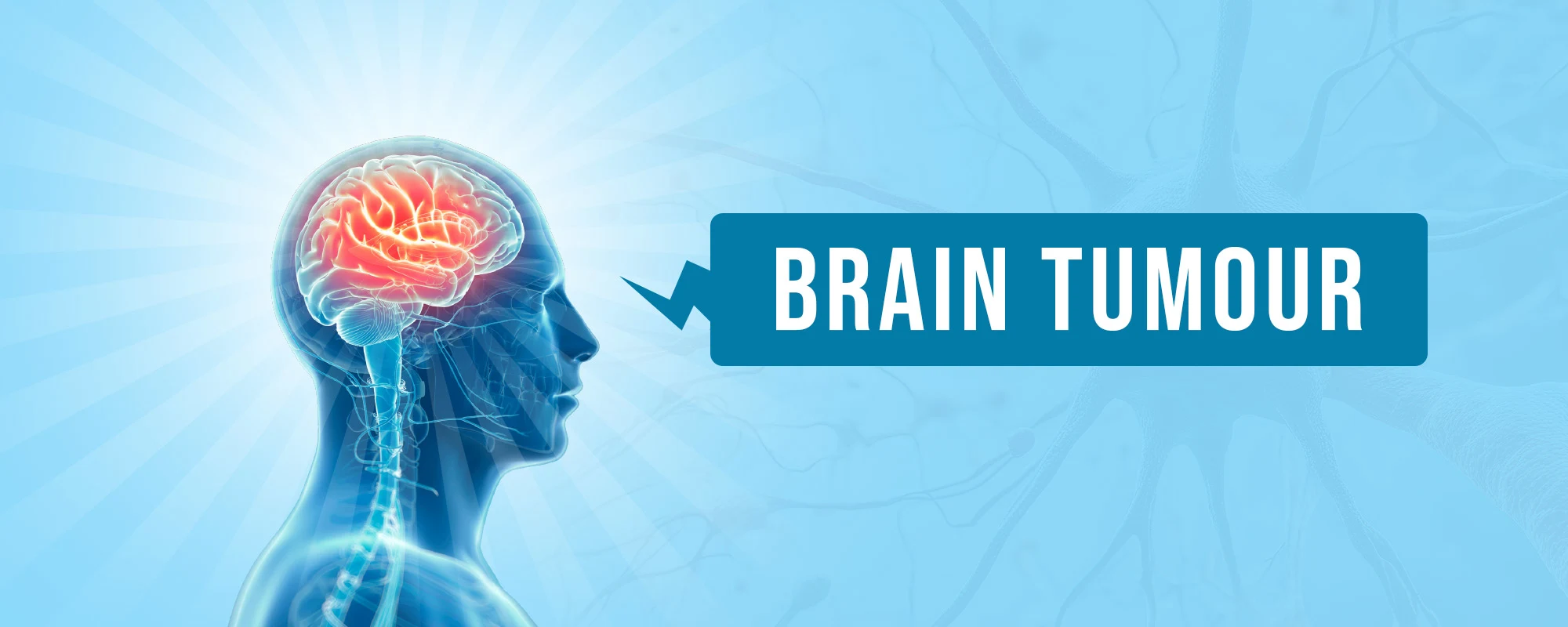
Simply put, a brain tumour is an abnormal growth of cells that develops within the brain or in the tissues surrounding it. These growths are not all the same. They can be either benign or malignant, and their nature and behaviour determine how they are managed.
Benign tumours usually grow slowly and stay in one area, making them more predictable. Malignant tumours can grow quickly and may press on or affect nearby brain areas, which makes them more serious.
What makes brain tumours different from other conditions is not just their type, but their location. A tumour does not have to be large to cause problems. Even a small growth in a sensitive area can noticeably disrupt important functions.
Early Neurological Changes That Should Not Be Ignored
Brain tumours rarely start with obvious, dramatic symptoms. More often, the body gives quiet warning signs that are easy to miss long before serious problems appear.
Some of the early changes to watch out for include:
- Persistent headaches that feel different from usual
- Occasional dizziness or imbalance
- Changes in vision, such as blurriness or double vision
- Difficulty in concentration or memory
- Unusual fatigue without a clear reason
These symptoms may seem minor at first. But if they keep coming back or get worse over time, they should not be ignored. It is important to pay attention to them.
Why Brain Function Gets Affected by Tumour Growth
The brain controls everything the body does, including thoughts, movements, and sensations. When a tumour develops, it can press on nearby tissues or disrupt normal brain activity, leading to a wide range of effects.
This pressure interrupts how brain cells communicate. The symptoms that appear depend on which part of the brain is affected.
To put it into perspective:
- Tumours near the visual centre may affect eyesight.
- Tumours in motor regions may impact movement.
- Tumours in cognitive areas may influence thinking and memory.
This is why no two people with a brain tumour have exactly the same symptoms.
Homeopathy treatment for Brain Tumour: A Supportive Internal Approach
Homeopathy for brain tumours focuses on supporting the body’s balance and building resilience. It does not replace standard medical care, but works alongside it to support the whole person.
The process starts with a careful evaluation of the person’s physical health, emotional state, and symptoms. After understanding these details, personalised remedies are chosen to fit the individual’s needs.
At its core, this approach aims to:
- Support overall neurological balance.
- Improve energy and vitality.
- Enhance the body’s adaptive response.
- Promote long-term stability
Together, these steps can help improve a person’s well-being during treatment.
Best homeopathy treatment for Brain Tumour and Its Long-Term Perspective
The best homeopathy treatment for brain tumours is not the same for everyone. Each patient is unique, so the plan is tailored to their specific condition, history, and needs.
In practice, this method focuses on:
- Understanding the progression of the condition
- Analysing personal health patterns
- Supporting long-term internal balance
The goal is not just to give temporary relief, but to improve overall health and help the person maintain long-term stability.
Brain Tumour homeopathic treatment and Individual-Centric Care
Homeopathic treatment for brain tumours is based on treating the whole person, not just the illness.
This means taking a close look at:
- Physical symptoms and neurological responses
- Emotional and psychological state
- Lifestyle habits and environmental factors
By considering all these factors together, this approach helps the body maintain its natural balance and function as well as possible.
When Immediate Medical Attention Is Necessary
It is important to remember that only qualified medical professionals should diagnose and treat brain tumours. This is not something to handle on your own. Some symptoms require immediate medical attention.
If you or someone you know experiences any of the following, seek medical attention right away:
- Severe or worsening headaches
- Sudden vision loss or difficulty speaking
- Seizures or abnormal movements
- Loss of coordination or balance
Getting a timely diagnosis is important. It helps you understand what is happening and allows the right treatment to start without delay.
Choosing the best homeopathy clinic near me for Complementary Support
If you are looking for supportive care, choosing the right homeopathy clinic is important. The quality of the consultation, the practitioner’s understanding, and their expertise all affect how well the treatment works.
A trustworthy and reliable clinic will typically offer:
- Detailed and personalised case analysis
- Continuous monitoring and follow-up
- Clear communication and guidance
Choosing the right clinic means you get care that is organised, thoughtful, and tailored to your needs, not just a generic approach.
Lifestyle Factors That Influence Brain Health
Brain health is affected by our daily lifestyle choices. While these habits may not directly cause tumours, they do affect how well the brain functions and how well the body stays strong over time.
Some of the most important aspects to focus on include:
- Balanced nutrition that supports brain function
- Regular physical activity
- Adequate sleep for neural recovery
- Stress management
Keeping up with these habits not only supports well-being but also helps the body and brain work their best, especially during health challenges.
The Role of Mental and Emotional Health in Recovery
Getting a brain tumour diagnosis can change your life, and the emotions that come with it are real. Feeling anxious, afraid, or uncertain is normal, and these feelings should be acknowledged.
Many people do not realise that emotional stress can affect physical health and recovery. Ongoing stress can upset hormone balance and make it harder for the body to cope, so caring for your emotions is just as important as caring for your body.
Supporting mental health with good daily habits, professional counselling, and real emotional care is not optional. It is a key part of managing this condition.
Quick Clarity: What Makes Brain Tumours Different From Other Tumours
Unlike tumours elsewhere in the body, brain tumours affect the body’s control systems, not just tissue. Even a small tumour can cause noticeable or serious symptoms if it is near a critical area.
The skull is a closed space with no extra room. As a tumour grows, pressure builds up, affecting nearby tissues. This is why symptoms are usually neurological, not just physical, like with tumours in other parts of the body.
Knowing this difference helps you understand how serious and unique a brain tumour diagnosis is.
The “Pressure Effect” Inside the Skull
One important but often overlooked part of brain tumours is how pressure builds up inside the skull as the tumour grows.
The skull is a rigid, closed structure with no flexibility. When a tumour grows within it, intracranial pressure rises, and that rising pressure can:
- Compress nearby brain tissues.
- Affects blood circulation.
- Disrupt normal brain signals.
This explains why symptoms like ongoing headaches, nausea, and vision changes often happen together instead of alone.
Symptom Mapping: How Location Changes Experience
Brain tumour symptoms are not random. They follow a pattern based on the tumour’s location in the brain.
Here is how location shapes experience:
- Frontal lobe involvement may affect behaviour and decision-making.
- Temporal lobe involvement may impact memory and hearing.
- Involvement of the cerebellum may affect balance and coordination.
This link between tumour location and symptoms explains why people with brain tumours can have very different experiences.
The Brain’s Adaptation Phase: Why Symptoms Appear Late
The human brain can adapt in amazing ways. In the early stages of tumour growth, it often finds ways to adjust and reroute functions without the person noticing.
This adaptability can make early detection harder. Because the brain adjusts so well, symptoms may not show up until the tumour is already quite large.
That is why it is important to notice small changes in how you feel, think, or function, even if they seem minor.
Hidden Cognitive Changes That Often Go Unnoticed
Not all brain tumour symptoms are obvious or physical. Some of the most important signs are changes in thinking, which are easier to miss or ignore.
These cognitive changes can include:
- Difficulty focusing on tasks
- Slower thinking or response time
- Changes in mood or personality
- Reduced problem-solving ability
These changes are often mistaken for normal stress or tiredness, which can delay getting the right medical help.
Energy Imbalance: Why Patients Feel Unexplained Fatigue
The tiredness many brain tumour patients feel is more than normal fatigue. It is linked to how the brain processes information, and when the brain works harder than usual, this can lead to exhaustion.
When the brain is under internal pressure or stress, it demands more energy than usual. This increased demand leads to:
- Constant tiredness
- Reduced mental clarity
- Lack of motivation
Knowing why this fatigue happens is the first step toward managing it more effectively and with greater care.
Decision Point: Monitor vs Act Immediately
A common question is knowing when it is okay to wait and watch, and when you should act right away.
It may be reasonable to monitor the situation if:
- Symptoms are mild and occasional.
- There is no progression over time.
However, act immediately and seek medical advice if:
- Symptoms increase in frequency.
- Neurological changes appear
- Daily functioning is affected.
Having clear guidelines can help a lot when making tough decisions under pressure.
Brain Tumour and Daily Life: What Actually Changes
Living with a brain tumour is not always what people expect. It can slowly change daily life in small ways that become harder to ignore over time.
Some of the most commonly reported changes include:
- Difficulty managing routine tasks
- Reduced concentration at work
- Changes in sleep patterns
- Increased dependency on others
Often, these daily changes are more noticeable to the person and their loved ones than the medical symptoms.
The Role of Consistency in Long-Term Management
Consistency is one of the most important aspects of long-term management of a brain tumour. Whether it is treatment, healthy habits, or regular check-ups, sticking with it matters more than many people think.
When the approach is irregular or inconsistent, outcomes become harder to predict and manage. Staying consistent, on the other hand, supports:
- Better symptom tracking
- Improved response to care
- Reduced uncertainty
For anyone dealing with a long-term condition, these habits are not just helpful—they can be empowering.
Micro Awareness Signals the Brain Sends
Before major symptoms appear, the brain often sends out small, quiet signals that are easy to ignore.
These include:
- Occasional confusion
- Mild coordination issues
- Temporary vision disturbances
- Slight speech difficulties
Noticing these early signals before they get worse can make a big difference in managing the condition.
How Symptoms Progress Over Time
Brain tumour symptoms usually do not show up all at once. They tend to appear gradually in a clear pattern:
- Initial stage: Mild and occasional symptoms
- Intermediate stage: Increased frequency and noticeable discomfort
- Advanced stage: Functional impact on daily activities
Knowing this pattern makes it easier to notice changes early and take action before they worsen.
Why Early Action Matters
With brain tumours, timing is crucial. Early detection and proper care can greatly improve outcomes, often more than people realise until they face it themselves.
Ignoring symptoms or delaying a medical check-up is a risk not worth taking. Waiting can lead to problems that could have been avoided and missed chances for better treatment. Acting quickly helps you and your doctors make the best decisions.
If you notice symptoms that last, feel unusual, or get worse, do not wait. Get medical advice right away.
Book an Appointment
Please fill out the form below to schedule your appointment.
Brain Tumor
Key Highlights
At Dr Care Homeopathy, we are committed to providing
compassionate supportive care for patients with brain tumours.
Our holistic approach focuses on symptom relief, immune support, and improving day-to-day comfort.
+91 7337557851
whenever you need us
nationwide for easy accessibility
homeopathic doctors providing specialized care.
patients successfully treated for various health concerns.
What is a brain tumour?
A brain tumour is an abnormal growth of cells that develops within the brain or its surrounding tissues. Tumours may be benign (non-cancerous, slower-growing) or malignant (cancerous, faster-growing and more aggressive). Both types can cause neurological symptoms depending on their location, which is why professional medical evaluation is always essential.
Are all brain tumours cancerous?
No. Benign brain tumours are non-cancerous and typically grow slowly. However, even a benign tumour can cause serious problems if it develops in a sensitive area of the brain. Malignant tumours are cancerous and generally require more urgent, intensive medical intervention.
Can brain tumours be detected early?
Yes, in many cases. Paying attention to persistent neurological changes — recurring headaches, cognitive shifts, visual disturbances, or unexplained fatigue — and seeking medical imaging when warranted can lead to earlier detection. Dr. Care Homeopathy always recommends prompt medical investigation for persistent neurological symptoms.
How do I find the best Dr. Care Homeopathy clinic near me?
Dr. Care Homeopathy has multiple clinic locations to serve patients across the region. You can visit our website or contact us directly to find the nearest clinic and book an initial consultation with one of our experienced homeopathic doctors.
Is homeopathy treatment for brain tumours safe alongside chemotherapy or radiotherapy?
In most cases, yes. Homeopathy is a gentle, non-invasive approach that does not interfere with conventional treatments. However, we always advise patients to inform their oncologist and neurosurgeon about all complementary therapies they are pursuing, and our doctors will collaborate with your medical team where appropriate.
Can brain tumours affect memory and personality?
Yes. Tumours in the temporal lobe can significantly affect memory and auditory processing, while frontal lobe involvement is often associated with personality changes, decision-making difficulties, and behavioural shifts. These cognitive symptoms are among the earliest and most frequently missed signs of a brain tumour.
Is Homoeopathy recognized officially?
The Homoeopathy Central Council Act of 1973 made homoeopathy a legally recognised medical system in India. The system has been acknowledged as one of the national systems of medicine since it has assimilated so well into the ethos and traditions of the nation. Additionally, 20 State Governments have established State Boards or Councils and passed State legislation to control the use of homeopathy.
Is stress linked to brain tumour development?
Chronic stress does not directly cause brain tumours, but it significantly undermines the body’s capacity to maintain neurological balance, regulate immunity, and manage inflammation — all of which are relevant to brain health and recovery. Stress management is a core component of every Dr. Care Homeopathy care plan.
Should I ignore a mild persistent headache?
No. While a single occasional headache is rarely cause for alarm, headaches that are persistent, worsening, feel different from your normal pattern, or occur alongside other neurological symptoms should always be professionally evaluated. Early assessment is always the safer choice.
When should I consult a doctor immediately
Seek emergency medical attention immediately if you experience a sudden severe headache, loss of vision or speech, a seizure, loss of coordination, or loss of consciousness. These are neurological emergencies requiring urgent intervention. For ongoing or milder symptoms, book an appointment with a medical professional without delay.