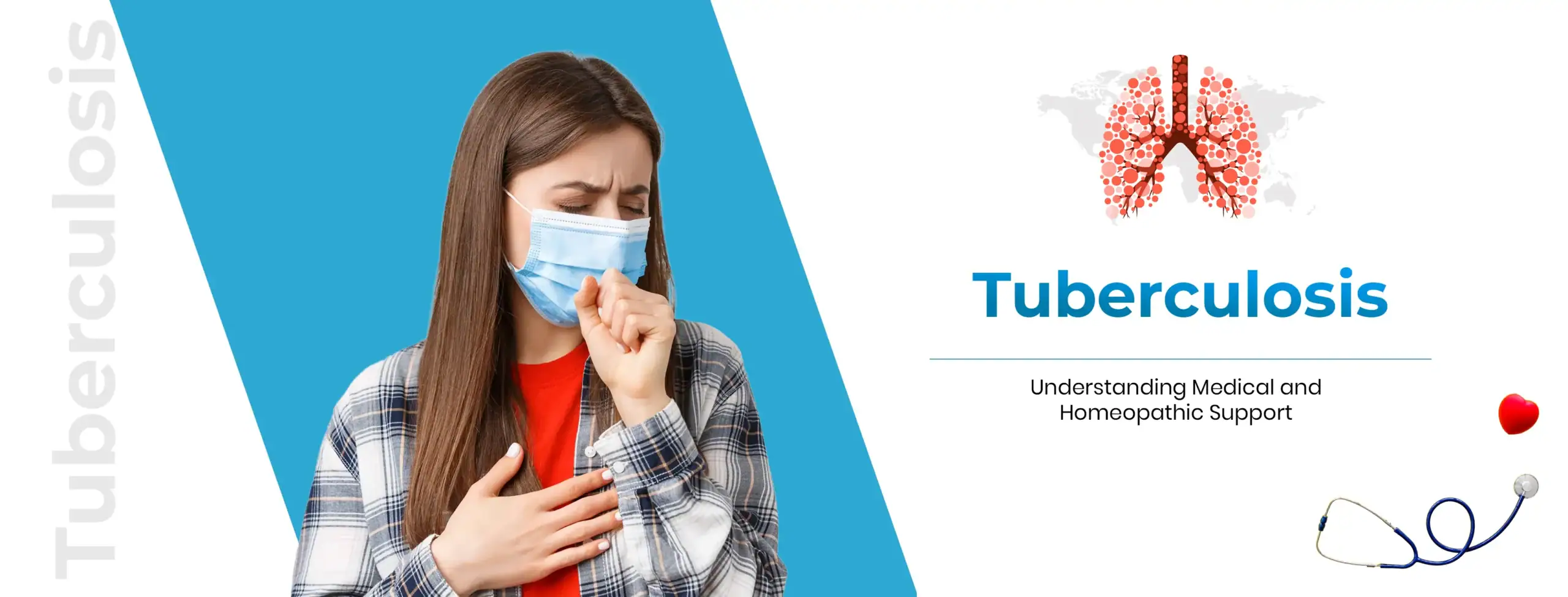
Tuberculosis (TB) is a serious but treatable infectious disease that continues to affect millions of people worldwide. Hearing the word “tuberculosis” can feel overwhelming, but with timely diagnosis and appropriate treatment, most individuals recover fully.
Tuberculosis is caused by a bacterium called Mycobacterium tuberculosis. While conventional antibiotic therapy remains the foundation of treatment, some patients also explore complementary approaches such as homeopathy to support overall health during recovery. It is important to understand that supportive therapies should always be taken alongside standard medical care and never as a replacement.
What is Tuberculosis?
Tuberculosis (TB) is a contagious bacterial infection that most commonly affects the lungs. However, it can also involve other parts of the body, such as the spine, brain, kidneys, lymph nodes, or bones.
TB spreads through the air when a person with active lung tuberculosis coughs, sneezes, speaks, laughs, or sings. When someone nearby inhales these droplets, the bacteria may enter their lungs.
Not everyone exposed to TB bacteria becomes sick. The outcome depends largely on the immune system’s ability to control the infection.
Tuberculosis is Caused By Which Bacteria?
Tuberculosis is caused by Mycobacterium tuberculosis, a slow-growing bacterium that enters the body through inhaled air droplets. Once inside the lungs, the bacteria may remain dormant or begin multiplying depending on the strength of the immune system.
NOTE: Not everyone exposed to TB bacteria develops active disease.
Understanding the Stages of Tuberculosis
What are the stages of tuberculosis?
TB infection develops in stages. Knowing the difference between each stage of TB helps reduce unnecessary fear. Let’s see what the various TB stages are.
1. Exposure
Exposure means a person has been in contact with someone who has active TB. At this stage:
- TB tests are usually negative
- There are no symptoms
- Chest imaging is normal
2. Latent TB Infection (Inactive TB)
In latent TB:
- TB bacteria remain in the body but are inactive
- There are no symptoms
- The person is not contagious
- A TB skin or blood test may be positive
Many people with latent TB never develop active disease. However, monitoring is important, especially in individuals with weakened immunity.
3. Active Tuberculosis Disease
Active TB develops when the immune system cannot keep the bacteria under control. This stage causes symptoms and requires prompt medical treatment.
Tuberculosis Symptoms You Should Not Ignore
What are the symptoms of TB?
Tuberculosis symptoms often develop gradually and may resemble common respiratory illnesses in the beginning.
Common tuberculosis symptoms include:
- Persistent cough lasting more than two weeks
- Chest pain
- Coughing up blood or mucus
- Fever
- Night sweats
- Unexplained weight loss
- Fatigue or weakness
- Loss of appetite
If TB spreads outside the lungs (extrapulmonary tuberculosis), symptoms depend on the affected organ. For example:
- Spine involvement may cause back pain
- Brain involvement may cause headache or confusion
- Lymph node TB may cause swelling
NOTE: Early evaluation of TB significantly improves outcomes.
Why Does Tuberculosis Become Active?
Most people exposed to Mycobacterium tuberculosis do not develop active disease immediately. The immune system often contains the infection.
However, TB may become active if immunity weakens. Understanding risk factors allows earlier screening and preventive care. Risk factors include:
- Diabetes
- Severe kidney disease
- HIV/AIDS
- Cancer or chemotherapy
- Organ transplantation
- Long-term steroid use
- Malnutrition
- Very young age (under 5 years)
- Age above 65 years
How Does Tuberculosis Spread?
Tuberculosis spreads through airborne droplets. TB transmission usually requires:
- Prolonged close contact
- Poorly ventilated indoor spaces
- Repeated exposure
Important clarifications:
- Latent TB does not spread infection
- Proper antibiotic treatment greatly reduces contagiousness within weeks
Good ventilation and early diagnosis are key to prevention.
Who is at Higher Risk of Tuberculosis?
Certain living or working conditions increase exposure risk. The risks of TB include:
- Living with someone who has active TB
- Healthcare workers
- Laboratory personnel
- Individuals in crowded settings
- People living in regions where TB is more common
Those with weakened immune systems are at greater risk of progression from latent to active disease.
How is Tuberculosis Diagnosed?
Doctors use a combination of tests to diagnose tuberculosis.
Screening Tests
- TB skin test (PPD / Mantoux test)
- TB blood tests (such as interferon-gamma release assays)
Diagnostic Evaluation for Active TB
If screening suggests infection, further tests may include:
- Chest X-ray
- Sputum examination
- Laboratory testing of lung samples
- CT scans (if needed)
Accurate diagnosis helps determine whether TB is latent or active, guiding appropriate treatment.
Standard Medical Treatment for Tuberculosis
How is TB treated?
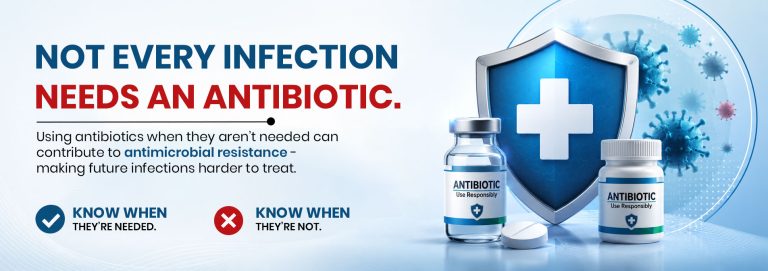
Tuberculosis requires antibiotic therapy. It cannot be cured without proper medical treatment.
Treatment typically involves a combination of antibiotics taken for six to nine months or longer.
Many patients begin to feel better within a few weeks. However, it is essential to complete the full course of treatment to:
- Eliminate all bacteria
- Prevent relapse
- Avoid drug resistance
Stopping medications early can lead to drug-resistant tuberculosis, which is more difficult and longer to treat.
Why TB Treatment Compliance is Critical?
Drug-resistant TB develops when bacteria survive incomplete or incorrect treatment. This may happen if:
- Medications are skipped
- Treatment is stopped early
- Incorrect drug combinations are used
Drug-resistant TB requires specialized care and longer treatment durations.
Medical supervision throughout therapy is essential.
Homeopathy Treatment for Tuberculosis: A Supportive Approach
Homeopathy is an individualized system of medicine that focuses on the person’s overall constitution rather than just the disease diagnosis.
In the context of tuberculosis, homeopathy is considered complementary and supportive. It is not a substitute for antibiotic treatment.
Under qualified supervision, supportive goals may include:
- Supporting general vitality during recovery
- Addressing fatigue and weakness
- Improving appetite
- Promoting overall well-being
- Supporting immune resilience
Homeopathic prescribing is individualized based on the patient’s symptoms, history, and overall health profile.
At Dr Care Homeopathy, homeopathic care is provided responsibly, ensuring patients continue their prescribed medical treatment while receiving supportive holistic care.
Can Tuberculosis Be Prevented?
While TB cannot always be completely prevented, but its risk can be reduced. Tuberculosis prevention focuses on reducing transmission, protecting household members, and completing treatment responsibly. If you have active TB, the following precautions are essential:
- Stay home: Avoid going to work, school, or public places until your healthcare provider confirms you are no longer contagious. Most patients become significantly less infectious after a few weeks of proper treatment, but medical clearance is important before resuming normal activities.
- Isolate at home:
Spend as little time as possible in close contact with household members during the early phase of treatment. If possible, sleep in a separate room to reduce prolonged exposure, especially in the first 2–3 weeks.
- Ventilate the room: Tuberculosis bacteria spread more easily in small, closed, poorly ventilated spaces. Keep windows open when the weather allows. Use a fan to push indoor air outside, or if you have two windows, use one fan to draw fresh air in and another to push air out. Good airflow reduces airborne bacteria concentration.
- Wear face masks: Wear a well-fitting mask when you need to be around other people, particularly during the early stages of treatment. Household members may also wear masks for added protection in shared spaces.
- Cover your mouth when coughing or sneezing: Use a tissue to cover your mouth and nose. Dispose of used tissues in a sealed bag and wash your hands immediately. Proper cough hygiene limits the spread of infectious droplets.
- Complete your full course of medication:
Take all prescribed TB medications exactly as directed and finish the entire treatment duration, even if you feel better. Stopping early increases the risk of relapse and drug-resistant tuberculosis.
- Seek testing after exposure: If you have been in close contact with someone diagnosed with TB, consult a healthcare provider promptly for testing. Early detection prevents progression from latent infection to active disease.
NOTE: In some countries, the BCG vaccine is administered during childhood to reduce severe forms of TB.
When Should You See a Doctor?
Seek medical evaluation if you experience:
- Cough lasting more than two weeks
- Persistent fever
- Night sweats
- Unexplained weight loss
- Ongoing fatigue
Seek urgent care if you develop:
- Coughing up blood
- Severe chest pain
- Difficulty breathing
- Confusion or neurological symptoms
Early diagnosis protects both the individual and the community.
Key Takeaways About Tuberculosis
- Tuberculosis is caused by Mycobacterium tuberculosis
- Infection may be latent or active
- Symptoms often develop gradually
- TB is treatable with proper antibiotics
- Completing treatment prevents complications
- Supportive care, including homeopathy, may complement medical treatment under supervision
At Dr Care Homeopathy, we provide the best guidance required to treat various health conditions. Our aim at Dr Care Homeopathy is to safeguard your health in the long run. We believe in providing quality care under the guidance of homeopathic doctors with years of experience.
Frequently Asked Questions
- What is the difference between latent TB and active TB?
Latent TB means the bacteria are present in the body but inactive and causing no symptoms. Active TB means the bacteria are multiplying and causing illness. Only active TB disease is contagious and requires immediate treatment.
- Can tuberculosis be cured?
Yes, tuberculosis can be cured with proper antibiotic treatment taken for the full prescribed duration. Completing the entire treatment course is essential to eliminate the bacteria and prevent drug resistance.
- Can tuberculosis become dangerous if untreated?
Yes, untreated tuberculosis can cause serious complications, including permanent lung damage, spread to other organs, and even death. Early diagnosis and proper treatment significantly reduce these risks.
- Can homeopathy treat tuberculosis?
Tuberculosis requires antibiotic therapy as the primary treatment. Homeopathy may be considered as a supportive approach to improve overall well-being during recovery, under qualified supervision.
- How can I prevent tuberculosis from spreading to my family?
If you have active TB, stay home until cleared by your doctor, isolate within the household, improve ventilation, wear masks, practice cough hygiene, and complete your full course of medication. These measures significantly reduce transmission risk.