
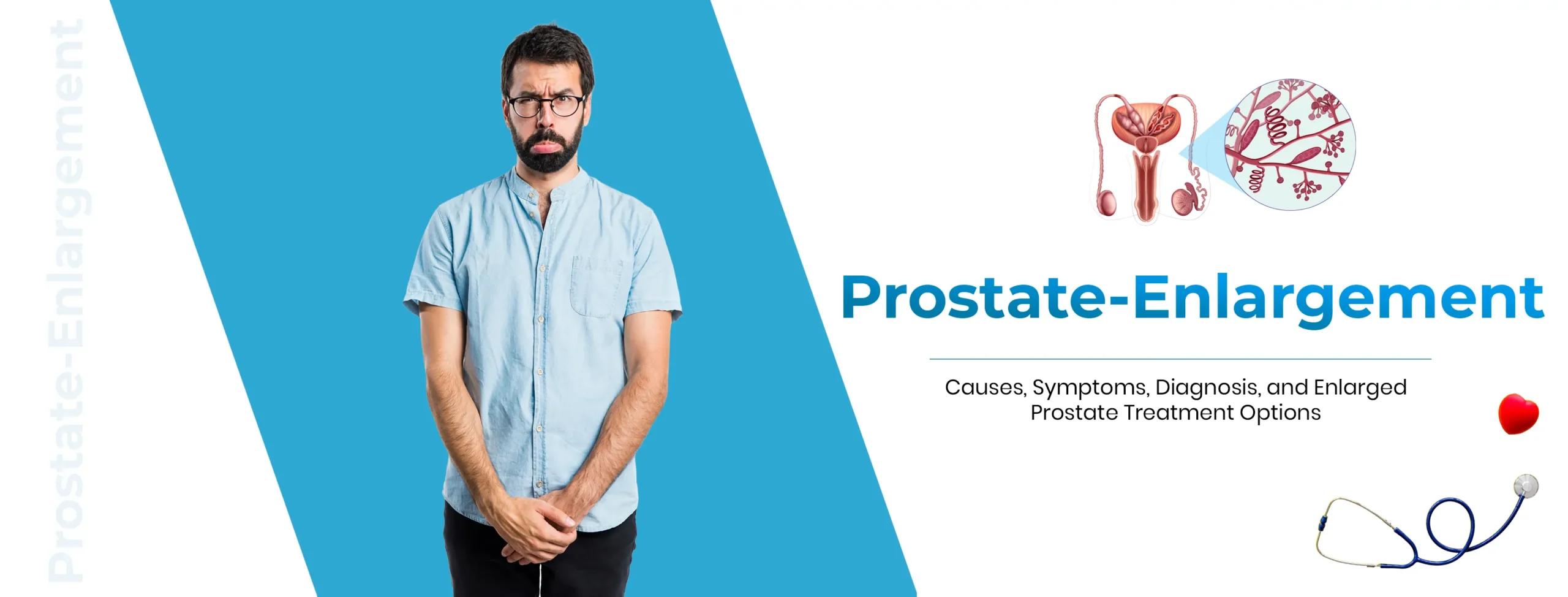
An enlarged prostate is when the prostate grows bigger in size. While it is commonly seen in older men, it can affect anyone. It is also called benign prostate enlargement. While common, it is usually not serious and can be treated.
Urinary problems such as frequent urination, weak urine flow, or difficulty emptying the bladder are common concerns for many men as they grow older. One of the most frequent causes behind these symptoms is an enlarged prostate.
Although the condition can be uncomfortable, it is usually non-cancerous and manageable with appropriate medical care. Understanding the condition early can help prevent complications and support long-term urinary health.
In this blog, we explain about:
- What is the prostate and its role in the body
- Why does prostate enlargement occurs
- Common symptoms of an enlarged prostate
- How doctors diagnose the condition
- Conventional enlarged prostate treatment options
- The role of homeopathy as a complementary approach in prostate care
Stay with us till the end to learn more about enlarged prostate and how homeopathy can help as a complementary treatment.
What Is Prostate?
The prostate is a small gland in the male reproductive system. It is typically about the size of a walnut and is located just below the bladder. It surrounds the urethra (the tube that carries urine from the bladder out of the body).
The prostate gland produces a portion of the fluid that forms semen, helping nourish and transport sperm during ejaculation. Because of its location around the urethra, any change in prostate size can affect urine flow.
As men age, the prostate often grows gradually. In some cases, this growth becomes large enough to cause urinary symptoms.
What Is an Enlarged Prostate?
An enlarged prostate is a condition where the prostate gland increases in size over time. The medical term for this condition is Benign Prostatic Hyperplasia.
“Benign” means non-cancerous, and “hyperplasia” refers to the increase in the number of cells within the prostate gland.
Important Facts About Enlarged Prostate
- It is not cancer.
- It does not directly increase the risk of prostate cancer.
- It is extremely common in aging men.
While some men have no symptoms, others may experience urinary problems that affect daily life and sleep.
Why Does the Prostate Become Enlarged?
The exact cause of prostate enlargement is not fully understood. However, researchers believe several factors contribute to the condition.
Age-Related Hormonal Changes
Hormonal changes that occur with aging are thought to play a major role. As men grow older, the balance of hormones such as testosterone and dihydrotestosterone (DHT) changes, which may stimulate prostate growth.
Cellular Changes in the Prostate
Over time, prostate cells may multiply and cause the gland to gradually enlarge.
Genetic Factors
Men with a family history of prostate problems may have a higher risk of developing an enlarged prostate.
Lifestyle and Health Conditions
Certain health factors may also increase the risk, including:
- Obesity
- Diabetes
- Heart disease
- Sedentary lifestyle
Regular exercise and maintaining a healthy weight may help support overall prostate health.
What are the symptoms of an enlarged prostate?
The symptoms of an enlarged prostate are mainly related to urinary function. Because the prostate surrounds the urethra, enlargement can restrict the flow of urine from the bladder.
Symptoms usually develop gradually and may worsen over time.
Common Enlarged Prostate Symptoms
Men with prostate enlargement may experience:
- Frequent urination
- Sudden urge to urinate
- Difficulty starting urination
- Weak urine stream
- Interrupted urine flow
- Dribbling at the end of urination
- Feeling that the bladder is not completely empty
- Waking up multiple times at night to urinate (nocturia)
These symptoms can disrupt sleep and daily activities.
Less Common Symptoms
Some men may also experience:
- Urinary tract infections
- Blood in urine
- Pain during urination
- Inability to urinate
These symptoms of an enlarged prostate require prompt medical evaluation.
When Should You See a Doctor?
You should consult a doctor if you notice persistent urinary symptoms such as:
- Difficulty urinating
- Weak urine stream
- Frequent nighttime urination
- Urgent need to urinate
Immediate medical attention is required if there is:
- Sudden inability to urinate
- Severe pain during urination
- Blood in the urine
Early diagnosis allows doctors to identify the cause and recommend appropriate treatment.
How Doctors Diagnose an Enlarged Prostate
Diagnosing an enlarged prostate involves evaluating symptoms, performing a physical examination, and conducting diagnostic tests.
Medical History and Symptom Assessment
Doctors will ask about urinary patterns, frequency of urination, and symptom severity. In many cases, symptom questionnaires are used to evaluate how much the condition affects daily life.
Physical Examination
One of the common exams used to evaluate prostate size is the digital rectal exam (DRE). During this exam, a doctor gently inserts a gloved finger into the rectum to assess the prostate gland.
Laboratory Tests
Doctors may recommend blood tests and urine tests to rule out other conditions. One common test used in prostate evaluation is the Prostate-Specific Antigen test.
PSA is a protein produced by the prostate. Higher PSA levels may indicate prostate enlargement, infection, or other prostate conditions.
Imaging and Functional Tests
Additional tests may include:
- Urinalysis to detect infection
- Ultrasound of the prostate and bladder
- Urine flow rate testing
- Post-void residual urine measurement
- Cystoscopy to examine the urinary tract
These tests help determine the severity of the condition and guide treatment decisions.
Enlarged Prostate Treatment Options
The appropriate enlarged prostate treatment depends on several factors, including:
- Severity of symptoms
- Prostate size
- Age
- Overall health
- Impact on quality of life
Some individuals with an enlarged prostate may require only monitoring, while others may benefit from medications or surgical procedures.
The Role of Homeopathy in Complementary Care for Enlarged Prostate
Many individuals with an enlarged prostate choose to explore integrative healthcare approaches that combine conventional medical treatment with supportive therapies.
Homeopathy is one such approach practiced globally. It is based on the principle of individualised treatment, where remedies are selected according to a person’s specific symptoms, overall health, and constitution.
In the context of enlarged prostate (BPH), homeopathic practitioners typically conduct a detailed assessment that may include:
- Urinary symptoms such as frequency, urgency, weak stream, or incomplete emptying
- Overall health and body constitution
- Sleep patterns, including nighttime urination
- Lifestyle habits and daily routine
- Emotional and physical well-being
This personalized approach aims to support overall health and symptom management, rather than focusing only on the prostate gland.
An integrative care model allows patients to benefit from medical assessment, lifestyle guidance, and supportive therapies, helping them make informed decisions about managing enlarged prostate symptoms safely and effectively.
Homeopathy Treatment for Enlarged Prostate at Dr. Care Homeopathy
At Dr. Care Homeopathy, we offer safe, gentle, and holistic care for individuals experiencing symptoms of an enlarged prostate. Our approach focuses on understanding and addressing the underlying factors that may contribute to urinary discomfort and prostate health concerns.
An enlarged prostate can present differently in each individual. While some may experience frequent urination, others may struggle with weak urine flow or disturbed sleep. Keeping this in mind, we create personalised treatment plans based on:
- Individual symptom patterns
- Lifestyle and daily habits
- Overall health history
- Sleep and stress levels
- Associated urinary concerns
Our approach aims to support urinary comfort, improve quality of life, and promote overall well-being. We also guide patients on lifestyle measures that may help manage symptoms more effectively.
Homeopathic care is non-invasive and tailored to the individual, making it a suitable supportive option for those looking for a gradual and holistic approach. It can also be considered as part of an integrative care plan alongside regular medical evaluation.
With over 22 years of clinical experience, Dr. Care Homeopathy is trusted by patients across the country for personalised care. Our team of experienced homeopathic doctors focuses on patient-centric treatment and long-term wellness, supporting individuals in managing chronic health concerns with a balanced and informed approach.
What are the Possible Complications of an Untreated Enlarged Prostate?
If left untreated, prostate enlargement may lead to complications such as:
- Urinary retention
- Urinary tract infections
- Bladder stones
- Bladder damage
- Kidney damage
Early medical consultation helps prevent these complications and improves treatment outcomes.
How to Support Good Prostate Health?
To support good prostate health, it is important to maintain overall good health. Making healthy changes in everyday life can significantly help maintain good prostate health. Some healthy practises for prostate health include:
- Eating a balanced, nutritious diet
- Staying physically active
- Maintaining a healthy weight
- Managing chronic conditions such as diabetes
- Scheduling regular health checkups
Takeaway
The prostate is a gland involved in male reproductive and urinary health. Prostate enlargement is common with aging and is usually non-cancerous. Symptoms primarily affect urination. Diagnosis involves medical examination and tests. Enlarged prostate treatment ranges from lifestyle changes to medications and surgical procedures. Some patients explore homeopathy as a complementary approach within an integrative care framework.
Dr. Care Homeopathy offers a patient-centered, holistic approach to managing enlarged prostate symptoms through individualized care and a focus on overall well-being. With decades of clinical experience and a commitment to safe, non-invasive treatment, our clinic supports patients in navigating their condition with confidence and clarity. By combining careful case evaluation, lifestyle guidance, and personalized homeopathic care, Dr. Care aims to help individuals improve their quality of life while encouraging timely medical consultation when needed.
Frequently Asked Questions
- Which Homeo medicine is best for prostate enlargement?
The best homeo medicine for prostate enlargement is the one that is given using a personalised treatment approach. The best homeopathic medicine for prostate enlargement must be taken only after speaking to a healthcare provider.
- How to avoid prostate enlargement?
Preventing or slowing the progress of prostate enlargement requires maintaining a proper healthy lifestyle.
- What is the main cause of prostate enlargement?
The main cause of prostate enlargement is aging along with constant hormonal changes. As men age, the prostate enlarges, often causing urinary problems.