
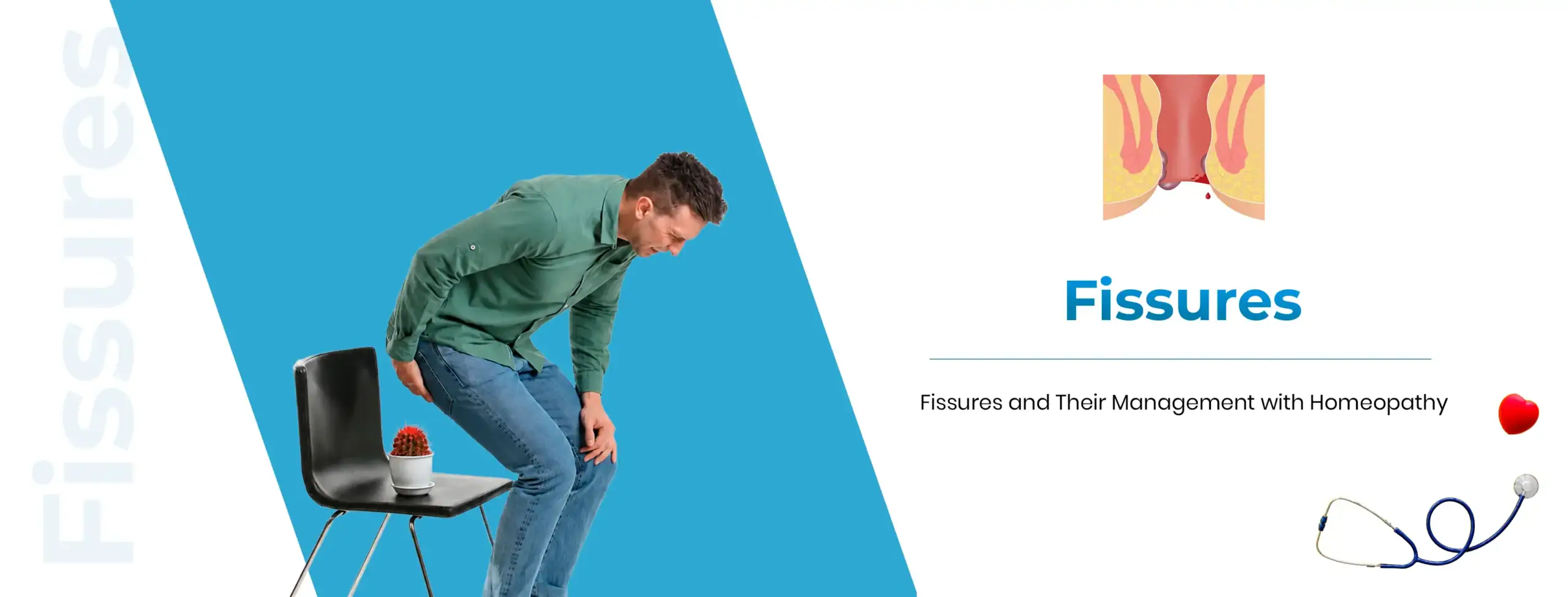
Anal fissure is a common yet often distressing condition that affects many individuals across different age groups. It refers to a small tear or cut in the lining of the anus, which can cause significant pain and discomfort, especially during bowel movements.
Despite being a common condition, fissures are frequently ignored due to hesitation in discussing symptoms or assuming they will resolve on their own. However, untreated fissures can become chronic and significantly affect quality of life.
In simple terms, a fissure is a small tear that causes pain, bleeding, and discomfort during passing stools.
In this guide, you will learn:
- What fissures are and why they occur
- Common symptoms to watch for
- Causes and risk factors
- How fissures are diagnosed and managed
- The role of homeopathy as a supportive, individualised approach
What is a Fissure?
An anal fissure is a small tear in the thin lining of the anus. This tear exposes the underlying tissue, leading to pain, irritation, and sometimes bleeding during bowel movements.
The anal canal is sensitive, and even a minor tear can cause sharp pain. In some cases, fissures may heal on their own, but when they persist for weeks, they can become chronic and require proper treatment.
What are the Types of Fissures?
Fissures are broadly classified based on their duration and severity. Understanding the type helps guide appropriate management and treatment.
Common Types of Fissures
- Acute fissure: A short-term tear that usually heals within a few weeks with simple care and lifestyle changes.
- Chronic fissure: A long-standing fissure that persists for more than 6–8 weeks. It may be associated with repeated injury, muscle spasm, and delayed healing.
- Recurrent fissure: Some individuals experience fissures that heal and then return repeatedly, often due to underlying causes like constipation or poor bowel habits.
What are the Symptoms of Fissures?
Symptoms of fissures are usually noticeable and can cause significant discomfort, especially during and after passing stools.
Common Symptoms of Fissures
- Sharp pain during bowel movements
- Burning sensation after passing stool
- Bright red blood on toilet paper or in stool
- Itching or irritation around the anal area
- Visible crack or tear near the anus
Moderate to Severe Symptoms
- Pain lasting for hours after a bowel movement
- Muscle spasm in the anal region
- Difficulty passing stools due to fear of pain
- Persistent bleeding or discomfort
What Causes Anal fissure?
Fissures develop when there is excessive strain, pressure, or injury to the delicate lining of the anus, leading to a small tear.
Common Causes of Fissures
- Constipation: Hard, dry stools are difficult to pass and can overstretch the anal lining, causing it to crack or tear during bowel movements. Straining to pass large, dry, or hard stools is the most common cause of anal fissures.
- Straining during bowel movements: Excessive pushing increases pressure in the anal canal, which can damage the tissue and lead to fissure formation.
- Chronic diarrhoea: Frequent loose stools can irritate and inflame the anal lining, making it more sensitive and prone to tearing.
- Childbirth: The strain and pressure during vaginal delivery can stretch the anal region, sometimes resulting in fissures.
- Poor bowel habits: Irregular routines, delaying the urge to pass stools, or unhealthy toilet habits can lead to hardened stools or increased strain, both of which raise the risk of fissures.
- Low-fibre diet: A diet lacking in fibre leads to harder stools and increased straining.
- Dehydration: Insufficient fluid intake contributes to harder stools.
- Reduced blood flow to the anal region: Poor circulation, particularly in older adults, slows healing.
- Underlying conditions: Crohn’s disease, ulcerative colitis, or infections can weaken the anal lining.
Everyday Risk Factors of Anal Fissure
Certain everyday habits and life stages can significantly increase the risk of developing an anal fissure.
Poor Dietary Habits
A diet low in fibre and fluids is one of the most preventable risk factors. When stools are consistently hard or dry, the anal canal is placed under repeated mechanical stress during bowel movements, making tears more likely.
Sedentary Lifestyle
Limited physical activity slows down digestion and contributes to constipation. People who sit for long periods throughout the day are at higher risk of both constipation and poor circulation in the pelvic region.
Pregnancy and Childbirth
Pregnant women are at increased risk of anal fissures due to the pressure of the growing uterus on the bowel, hormonal changes that slow digestion, and the physical trauma of delivery. Postpartum anal fissures are particularly common and can be distressing for new mothers.
Chronic Straining
People who regularly strain during bowel movements, due to constipation, digestive disorders, or weak bowel habits, are more likely to develop fissures over time. Straining increases pressure in the anal canal and reduces blood flow to the tissue.
Inflammatory Bowel Disease
Conditions such as Crohn’s disease or ulcerative colitis cause chronic inflammation of the digestive tract, which can weaken the anal mucosa and make fissures more likely and harder to heal.
Previous Anal Surgery or Injury
Scar tissue from prior procedures or injuries can reduce the elasticity of the anal canal, increasing the risk of tearing.
How Is an Anal Fissure Diagnosed?
Diagnosis of an anal fissure is primarily clinical, meaning a doctor can usually identify it through a careful history and physical examination. Investigations may be performed to rule out other conditions.
Diagnosis of Anal Fissure
- Physical examination: A gentle visual inspection of the anal area is usually sufficient to identify an acute fissure.
- Digital rectal examination (DRE): Performed carefully to assess sphincter tone and rule out other conditions. This may be deferred in acute cases due to pain.
- Anoscopy: A small instrument is used to examine the interior of the anal canal in detail.
- Colonoscopy or sigmoidoscopy: Recommended if there is suspicion of inflammatory bowel disease or if the fissure is in an unusual location.
- Stool examination: To rule out infections that may contribute to recurrent fissures.
Is an Anal Fissure Serious?
Most anal fissures are not dangerous, but they can significantly impact quality of life if left unmanaged. Acute fissures often heal on their own with simple changes in diet and bowel habits. However, chronic fissures that persist for weeks or months can lead to:
- Persistent pain that interferes with daily activities
- Fear of bowel movements, which worsens constipation and creates a vicious cycle
- Sphincter spasm that further reduces healing
- Secondary infection or abscess formation (uncommon but possible)
Early attention to symptoms and underlying causes is key to preventing an acute fissure from becoming a long-standing problem.
How Is an Anal Fissure Managed?
Anal fissure management aims to relieve pain, promote healing, soften stools, and reduce sphincter spasm. Most patients respond well to conservative, non-surgical approaches.
Key Anal Fissure Management Steps
- Increase dietary fibre: A high-fibre diet softens stools and reduces straining. Aim for fruits, vegetables, whole grains, and legumes.
- Stay well hydrated: Drinking adequate fluids throughout the day helps keep stools soft.
- Sitz baths: Soaking the anal area in warm water for 10–15 minutes several times a day, especially after bowel movements, helps relax the sphincter and promotes healing.
- Avoid straining: Respond to the urge to pass stools without delay and avoid prolonged sitting on the toilet.
- Topical treatments: Topical anaesthetics, steroidal creams, or medications to relax the sphincter may be prescribed by a doctor.
- Stool softeners or laxatives: Short-term use under medical guidance can ease the passage of stools during healing.
- Monitor and follow up: Regular follow-up with a doctor is important to assess healing and adjust the management plan if needed.
Diet and Lifestyle Tips for Anal Fissure
Diet and lifestyle changes form the cornerstone of anal fissure management and prevention.
- Eat high-fibre foods: Include leafy vegetables, fruits, oats, lentils, and whole grains to bulk up and soften stools naturally.
- Drink 8–10 glasses of water daily: Hydration is essential for soft, easy-to-pass stools.
- Avoid spicy or processed foods: These can irritate the digestive tract and worsen symptoms.
- Establish regular bowel habits: Try to pass stools at a consistent time each day and never suppress the urge.
- Take short walks daily: Physical activity stimulates bowel movement and improves circulation in the pelvic region.
- Avoid prolonged sitting: Whether on the toilet or at a desk, prolonged sitting increases anal pressure.
- Manage stress: Stress can worsen digestive function and contribute to constipation or diarrhoea. Adequate sleep and relaxation techniques support gut health.
Role of Homeopathy in Anal Fissure
Many patients consider homeopathy as a supportive and holistic approach for managing anal fissures, particularly for those experiencing recurrent symptoms, chronic fissures, or associated digestive concerns. Homeopathy does not replace medical evaluation but can be considered as part of a complementary care plan.
How Homeopathy May Support Anal Fissure Patients
Homeopathy focuses on treating the individual as a whole, taking into account not just the fissure itself but the overall health, constitution, and contributing factors of the person.
Homeopathic evaluation considers:
- Pain patterns: The nature, timing, and triggers of pain are assessed in detail. For example, whether pain is worse during or after bowel movements, or persists for hours.
- Bowel habits: Tendencies towards constipation, diarrhoea, irregular motions, or straining are carefully evaluated.
- Digestive health: Overall gut function, bloating, acidity, and absorption are taken into account.
- Emotional and mental well-being: Stress, anxiety, and emotional state can influence digestion and healing, and are considered in the homeopathic approach.
- Associated symptoms: Bleeding, itching, skin tags, or related complaints are assessed as part of the complete picture.
Why Some Patients Choose Homeopathy for Anal Fissure
- For long-term management of recurrent fissures: Many patients who experience repeated anal fissures seek a more sustainable approach that addresses the underlying tendency rather than just the immediate symptoms.
- For a personalised treatment approach: Homeopathic treatment is tailored to each individual, taking into account their unique symptom pattern, constitution, and lifestyle.
- To support overall digestive health: Beyond the fissure itself, homeopathy aims to improve gut function, regularity, and overall well-being.
- As a gentle, non-invasive option: Homeopathy is particularly suitable for those who prefer to avoid pharmaceutical interventions or are looking for a complementary approach alongside conventional care.
Individualised Approach in Homeopathy
Homeopathy treatment for anal fissure is based on a detailed understanding of each individual, including:
- Specific pain characteristics: Whether pain is cutting, burning, or aching; whether it is worse at night or after eating; how long it lasts after bowel movements.
- Bowel and digestive history: Patterns of constipation, dietary habits, previous treatments, and their outcomes.
- Lifestyle factors: Physical activity levels, stress, occupation, and sleep patterns.
- Medical history: Past illnesses, surgeries, and current medications are considered to form a complete picture.
- Triggers and aggravating factors: Specific foods, stress, or activities that worsen symptoms help guide a more targeted approach.
Homeopathy Support for Anal Fissure at Dr. Care Homeopathy
At Dr. Care Homeopathy, we offer safe, gentle, and holistic care for individuals experiencing anal fissures, particularly those dealing with chronic or recurring fissures, associated digestive difficulties, or significant discomfort affecting daily life. Our approach focuses on identifying and addressing the contributing factors, not just the visible symptoms.
Anal fissures can present very differently from person to person. While some individuals experience brief, sharp pain during bowel movements, others may deal with persistent burning, prolonged discomfort, or repeated recurrence despite previous treatment. Keeping this variability in mind, we design personalised treatment plans based on:
- Individual symptom patterns and pain characteristics
- Digestive health and bowel habits
- Dietary patterns and nutritional intake
- Stress levels and emotional well-being
- Overall health history and past treatments
- Lifestyle, activity levels, and daily routine
- Associated concerns such as bleeding, itching, or skin tags
Our approach aims to support tissue healing, improve digestive function, reduce recurrence, and enhance overall quality of life. In addition to individualised homeopathic care, we provide guidance on diet, hydration, bowel habits, and lifestyle modifications that play a critical role in both healing and prevention.
Homeopathic care is non-invasive and tailored to the individual, making it a supportive option for those seeking a gradual and holistic approach alongside appropriate medical evaluation.
With over 22 years of clinical experience, Dr. Care Homeopathy is trusted by patients across the country for personalised, patient-centric care. Our team of experienced homeopathic doctors focuses on long-term wellness, supporting individuals in managing anal fissures and related digestive concerns through a balanced and informed approach.
When to See a Doctor
Consult a doctor promptly if you experience:
- Severe pain during or after bowel movements
- Bright red blood on stools or toilet paper
- A fissure that has not healed after 4–6 weeks
- Recurring fissures despite dietary changes
- Fever, swelling, or discharge near the anal area (may indicate infection or abscess)
- Unexplained change in bowel habits
Conclusion
An anal fissure is a common but highly manageable condition. Recognising the symptoms early, understanding the causes, and making targeted diet and lifestyle changes can make a significant difference in healing and preventing recurrence.
With the right combination of medical care, dietary adjustments, and appropriate lifestyle changes, most people recover effectively. Homeopathy may also be considered as a supportive, individualised approach for improving digestive health and overall well-being. At Dr. Care Homeopathy, we provide personalised treatment plans for long-term healing and health. Visit us today.
Frequently Asked Questions
- Can an anal fissure heal on its own?
Yes, acute anal fissures often heal on their own within a few weeks with conservative management such as increased fibre intake, adequate hydration, warm sitz baths, and avoiding straining. However, chronic fissures (those lasting longer than 6–8 weeks) are less likely to resolve without targeted medical or therapeutic intervention. Early attention to symptoms and underlying causes significantly improves the chances of complete healing without complications.
- Is an anal fissure the same as haemorrhoids?
No, though they share some symptoms such as pain and bleeding during bowel movements, they are different conditions. Haemorrhoids are swollen veins inside or around the anus, whereas an anal fissure is a tear or cut in the anal lining. A doctor can distinguish between the two through a physical examination. In some cases, both conditions may be present at the same time, particularly in people with chronic constipation.
- What foods should I avoid with an anal fissure?
During healing, it is advisable to avoid spicy foods, processed or refined foods low in fibre, caffeine in excess, and alcohol, all of which can worsen constipation or irritate the digestive tract. Instead, focus on fibre-rich foods, fresh fruits, vegetables, legumes, and plenty of water to support soft, easy-to-pass stools.
- Can anal fissures recur after healing?
Yes, anal fissures can recur, especially if the underlying causes, such as chronic constipation, low-fibre diet, or poor bowel habits, are not addressed. Long-term dietary and lifestyle changes are essential to prevent recurrence. In individuals with a tendency towards chronic or recurring fissures, a holistic approach that addresses overall digestive health and bowel regularity can be particularly beneficial.
- Is it safe to use homeopathy for an anal fissure?
Homeopathy can be used as a complementary, supportive approach alongside conventional medical care for anal fissures. It is non-invasive and individualised to the person’s unique symptom pattern and overall health. However, it is important to first consult a qualified doctor to get an accurate diagnosis and rule out any serious underlying conditions. Homeopathy should not be used as a substitute for medical evaluation, particularly in cases of significant bleeding or suspected infection.