Quick Answer: When antibiotics are taken for infections, they cannot treat or are taken without a doctor’s prescription, antibiotic overuse can happen. Before taking antibiotics, it is important to understand that they work only against bacteria and not viruses. So, taking them when there is no need can lead to antibiotic resistance, a growing global health threat where bacteria evolve to survive the drugs meant to kill them. The responsible use of antibiotics means taking them only when a doctor confirms a bacterial infection, completing the full prescribed course, and never sharing or self-prescribing leftover medication.
Introduction
A throat that feels all scratchy, a cough that appears suddenly or a fever that is persistent is most of us have felt. When home remedies fail to treat these symptoms, often antibiotics are the first we reach out too, even when they are not required.
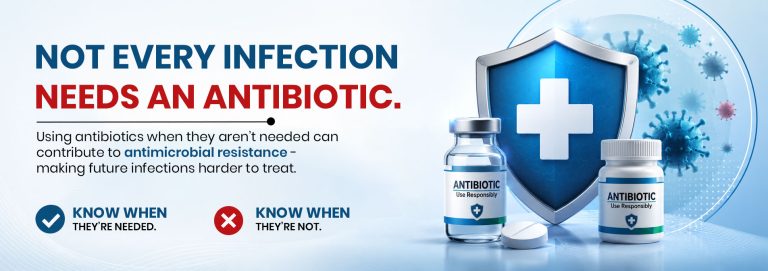
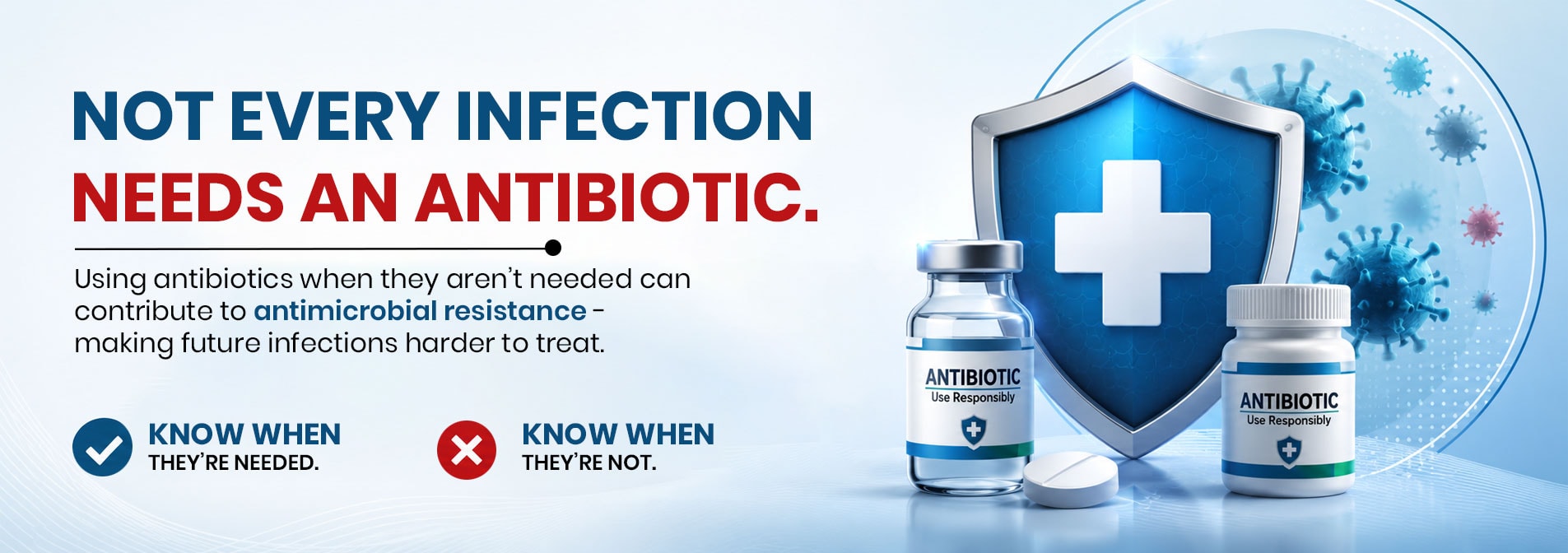
Antibiotics treat bacterial infections, not viral illnesses like most colds and flu. Taking them when you don’t need them may also make antibiotics less effective when you actually need them.
In this blog, we’ll explain what antibiotic overuse means, when antibiotics are genuinely needed, what can happen when they are misused, and what you can do to use antibiotics safely and responsibly.
What Is Antibiotic Overuse and Misuse?
Antibiotic overuse means taking antibiotics when they are not needed, such as for viral infections like most colds and flu.
Antibiotic misuse includes taking the wrong antibiotic or dose, stopping treatment without medical advice, or using antibiotics prescribed for someone else.
Using antibiotics incorrectly can contribute to antibiotic resistance, making some bacterial infections harder to treat in the future.
Do Antibiotics Work for Viral Infections?
This is one of the most important things to know about antibiotics: they do not work against viruses. If you have a viral infection, taking an antibiotic will not make it go away faster.
What Is the Difference Between Bacterial and Viral Infections?
Bacteria and viruses are different types of germs. Antibiotics are designed to fight certain bacterial infections. They do not work against viruses, which cause illnesses such as many common colds and flu cases.
Can Antibiotics Cure Viral Infections?
No. Antibiotics cannot cure viral infections or help them clear faster. Taking antibiotics when you have a viral infection can expose you to unnecessary side effects and contribute to antibiotic resistance.
Can Antibiotics Treat a Cold or Flu?
No. Antibiotics do not treat the common cold or flu because these illnesses are caused by viruses. Most people recover with rest, fluids, and appropriate symptom relief. If symptoms are severe or getting worse, speak to a healthcare professional.
Why Are Antibiotics Not Effective Against Viruses?
Antibiotics work against specific parts or processes found in bacteria. Viruses work differently and do not have the structures that antibiotics target. This is why an antibiotic cannot treat a viral infection.
When Do You Really Need Antibiotics?
Antibiotics are useful when you have a bacterial infection that needs antibiotic treatment. But not every infection requires them. A doctor may consider your symptoms, medical history, examination, and sometimes test results before deciding whether an antibiotic is appropriate.
Which Infections Actually Need Antibiotics?
Antibiotics may be prescribed for bacterial infections such as:
- Strep throat: Antibiotics may be needed when testing confirms a group A streptococcal infection.
- Urinary tract infections (UTIs): Some bacterial UTIs require antibiotics, depending on the infection and your symptoms.
- Bacterial pneumonia: Antibiotics may be used when pneumonia is caused by bacteria.
- Certain ear and sinus infections: Some cases are bacterial and may benefit from antibiotics, while others can improve without them.
- Bacterial skin infections: Infections caused by certain bacteria may require antibiotic treatment.
- Some sexually transmitted infections (STIs): Certain bacterial STIs can be treated with specific antibiotics.
How Do I Know If I Need Antibiotics?
You cannot always tell whether an infection is bacterial or viral based on symptoms alone. A doctor may consider how long you have been sick, your symptoms, physical examination findings, and, when needed, tests such as a throat swab, urine test, or blood test.
When Should I Consult a Doctor About an Infection?
Consider seeing a doctor if you have:
- A very high or persistent fever
- Symptoms that get worse after initially improving
- Localized pain, swelling, or unusual discharge
- Difficulty breathing or ongoing chest pain
- Symptoms that last much longer than expected
A medical evaluation can help determine whether antibiotics are actually needed and which treatment is appropriate.
What Happens If You Take Antibiotics Unnecessarily?
Taking antibiotics when you do not need them will not help you recover faster. Instead, it can cause problems that you could have avoided.
- Side effects: Antibiotics can cause diarrhoea, nausea, stomach upset, and, in some cases, allergic reactions.
- Changes to gut bacteria: Antibiotics can affect the helpful bacteria that normally live in your gut.
- Antibiotic resistance: Unnecessary antibiotic use can contribute to bacteria becoming resistant, making some infections harder to treat.
- Delayed diagnosis: Taking the wrong medicine may give you a false sense that you are treating the problem while the actual cause remains untreated.
Understanding Antibiotic Resistance
Antibiotic resistance happens when bacteria change over time and become harder to kill with antibiotics. This can make common bacterial infections more difficult to treat.
How Does Antibiotic Resistance Happen?
When antibiotics are used, some bacteria may survive because they have natural features that help them resist the medicine. These bacteria can multiply and spread. Frequent or unnecessary antibiotic use can increase the chances of resistant bacteria developing and spreading.
What Are the Dangers of Antibiotic Overuse?
Antibiotic resistance can make infections harder to treat. This may mean longer illnesses, longer hospital stays, more complicated treatment, and a greater risk of complications.
That is why using antibiotics only when they are genuinely needed matters for both individuals and communities.
How Can Antibiotic Resistance Be Prevented?
You can help reduce antibiotic resistance by:
- Taking antibiotics only when prescribed by a doctor
- Following the prescription exactly as directed
- Never using leftover antibiotics
- Never sharing antibiotics with others
- Practising good hand hygiene to reduce infections
- Following your healthcare professional’s advice about antibiotic use
How Can I Avoid Antibiotic Resistance?
The simplest step is to avoid taking antibiotics unless a healthcare professional says you need them. If you are prescribed an antibiotic, take it exactly as directed and ask your doctor or pharmacist if you have questions.
The Responsible Use of Antibiotics: Rules to Follow
Using antibiotics responsibly means taking them only when needed and using them exactly as prescribed.
How Long Should You Take Antibiotics?
Take antibiotics for the duration your doctor prescribes. The right duration depends on the infection and the specific medicine, so do not change it on your own.
Can I Stop Antibiotics When I Feel Better?
Do not change or stop your antibiotic treatment without speaking to your doctor. Even if you feel better, ask your doctor whether you should continue or stop the medicine.
What Happens If I Miss an Antibiotic Dose?
Check the instructions that came with your medicine or ask your pharmacist what to do. Do not take two doses together unless a healthcare professional specifically tells you to.
Can I Take Leftover Antibiotics?
No. Leftover antibiotics may not be suitable for your current illness. You may have a different infection that needs a different treatment, or you may not need antibiotics at all.
Can I Share Antibiotics With Someone Else?
Never share antibiotics. The medicine that was prescribed for you may not be suitable for someone else’s infection, health condition, or medication needs.
What Should You Do Instead of Taking Antibiotics for a Viral Illness?
For colds, flu, and most sore throats and coughs, supportive care is what actually helps:
- Rest and adequate sleep
- Staying well hydrated
- Over-the-counter fever or pain relief, as appropriate and advised by a pharmacist or doctor
- Steam inhalation or warm fluids for congestion and throat discomfort
- Time, since most viral illnesses resolve on their own within a week to ten days
If symptoms worsen or don’t improve within the expected timeframe, that’s your cue to see a doctor, not to self-start antibiotics.
Conclusion
Using antibiotics responsibly starts with knowing when they are actually needed. Antibiotics can treat certain bacterial infections, but they do not work against viral illnesses such as most colds and flu.
Avoid self-prescribing, sharing leftover antibiotics, or changing your treatment without medical advice. If you are unsure whether you need an antibiotic, speak to a healthcare professional. Using antibiotics only when necessary helps protect your health today and keeps these medicines effective for the future.
Book an Appointment
Lifestyle Support for PMS: What Actually Helps
While homeopathic treatment addresses the internal pattern, these lifestyle choices make a real, measurable difference to PMS severity:
- Track Your Cycle: Monitor symptoms each month to identify patterns and prepare for difficult days.
- Exercise Regularly: Aim for at least 30 minutes of walking, yoga, or light exercise most days.
- Prioritise Sleep: Maintain a consistent sleep schedule, especially in the week before your period.
- Reduce Caffeine and Alcohol: Limit intake before your period to help manage mood and sleep changes.
- Manage Stress: Practice yoga, meditation, deep breathing, or journaling regularly.
Diet and Nutrition Tips for PMS Symptom Relief Naturally
What you eat across your cycle, not just during your period, makes a meaningful difference to how your body handles the premenstrual phase.
- Eat Magnesium-Rich Foods: Include leafy greens, nuts, seeds, legumes, and dark chocolate in moderation.
- Increase Calcium Intake: Add foods like dairy, ragi, sesame seeds, and tofu to your diet.
- Include Vitamin B6 Sources: Eat bananas, chickpeas, potatoes, and sunflower seeds regularly.
- Reduce Salt: Cut back on salty foods to help minimize bloating and water retention.
- Eat Small, Frequent Meals: Regular meals can help manage cravings and energy fluctuations.
- Stay Hydrated: Drink plenty of water throughout the day to support overall well-being.
- Limit Refined Sugar: Choose fruits or healthier alternatives instead of processed sweets.
Conclusion
PMS is more than just a few days of discomfort before a period. From bloating and fatigue to mood changes and sleep disturbances, it can affect many aspects of a woman’s daily life. Understanding your symptoms, making supportive lifestyle changes, and seeking the right guidance can help you manage PMS more effectively and improve your overall well-being.
At Dr. Care Homeopathy, we take a personalized approach to women’s health, recognizing that every PMS experience is unique. With over 25 years of clinical experience and a team of qualified homeopathic doctors, we provide individualized consultations designed around your specific symptoms and health needs. If PMS is affecting your quality of life, our team is here to help you explore suitable care options and make informed decisions about your health.
FAQ
Can PMS symptoms change with age?
Yes, PMS symptoms can change over time due to shifts in hormone levels, stress, lifestyle, pregnancy, or approaching menopause. Some women notice symptoms become milder, while others find they become more noticeable.
How many days before a period does PMS usually start?
PMS typically begins 5 to 14 days before menstruation and usually improves once the period starts. The timing and severity can vary from one woman to another.
Can PMS affect work and daily activities?
Yes, symptoms such as fatigue, mood changes, headaches, and difficulty concentrating can impact productivity, relationships, and everyday responsibilities for some women.
Is it normal to feel more hungry before a period?
Yes, hormonal changes before menstruation can increase appetite and trigger cravings for sweet, salty, or carbohydrate-rich foods. This is a common PMS symptom.
Can regular exercise help reduce PMS symptoms?
Regular physical activity may help improve mood, reduce bloating, support better sleep, and increase energy levels. Even moderate exercise can be beneficial during the menstrual cycle.
When should I see a doctor for PMS?
You should consult a healthcare professional if PMS symptoms are severe, worsen over time, interfere with daily life, or significantly affect your emotional well-being and relationships.
Can PMS occur even if my periods are regular?
Yes, women with regular menstrual cycles can still experience PMS. The symptoms are linked to hormonal changes before menstruation and do not depend on whether periods are regular or irregular.