
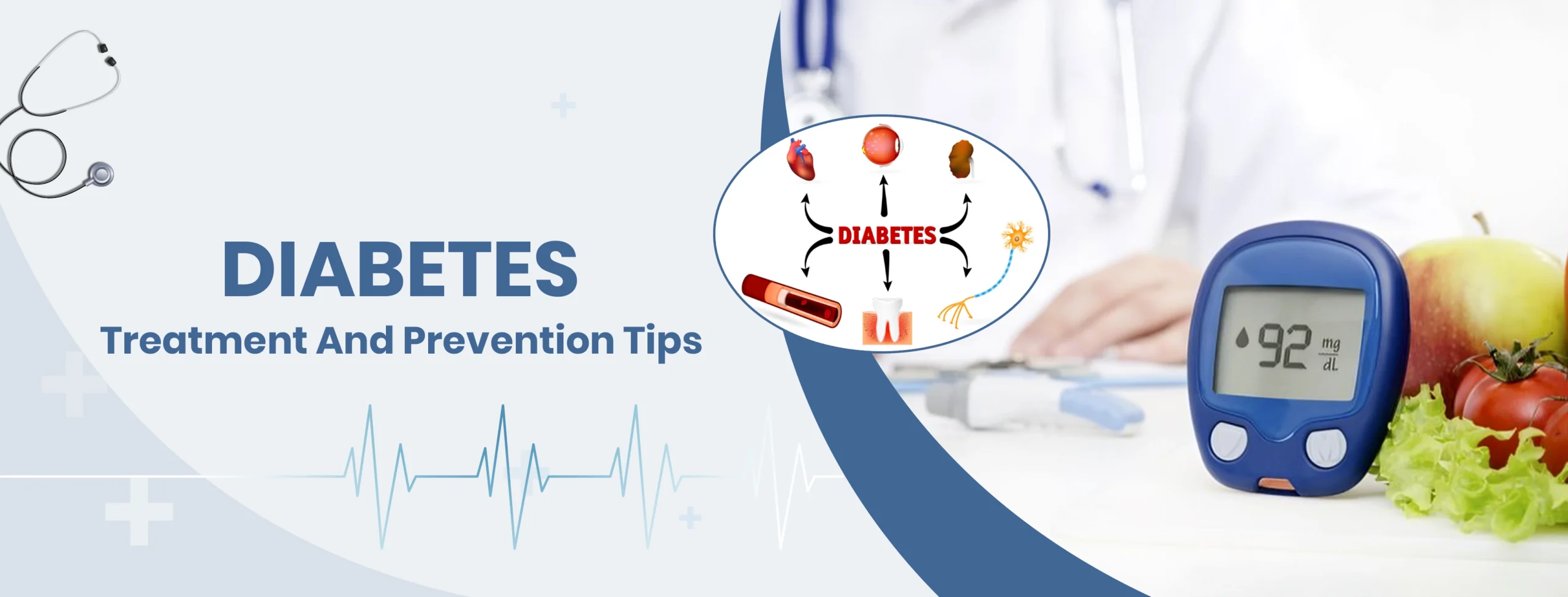
Overview
Diabetes mellitus is a collection of disorders that impact your body to utilize blood sugar (glucose). Because glucose is a significant energy source for the cells that make up your muscles and tissues, it is essential to your health. It’s also the primary source of energy for your brain.
Diabetes has a variety of causes, depending on the type. However, it can produce an excess of sugar in your blood regardless of the kind of diabetes you have. Blood sugar levels that are too high might cause major health concerns.
Symptoms
The level of blood sugar determines the intensity of diabetic symptoms in your body.” Some patients, particularly those with prediabetes or type 2 diabetes, may have no symptoms at all,” says the doctor. Symptoms of type 1 diabetes are usually more severe.
Some of the signs and symptoms of type 1 and type 2 diabetes are as follows:
- Thirst increases
- Urination regularly
- Hunger to the point of death
- Weight loss that isn’t explained
- Ketones in the urine (ketones are a result of muscle and fat breakdown that occurs when there isn’t enough hypoglycemia available)
- Fatigue
- Irritability
- Eyes are hazy
- Healing wounds that take a long time
- Infections that often occur, such as gum or skin infections, as well as vaginal infections
- Hypoglycemic agent’s mechanism of action
- A hypoglycemic agent is a hormone produced by a gland below the stomach (pancreas)
- A hypoglycemic agent is released into the circulation by the pancreas
- Hypoglycemic agent circulates throughout your body, allowing sugar to enter your cells
- The hypoglycemic agent is a hormone that reduces the quantity of sugar in your blood
- The amount of hypoglycemic agent secreted by your pancreas decreases as your blood sugar level drops
- Food and your liver are the two main sources of glucose
- Sugar is taken into the circulation and penetrates cells with the aid of a hypoglycemic agent
- The liver both stores and produces glucose
- Food and your liver are the two main sources of glucose
- Sugar is taken into the circulation and penetrates cells with the aid of a hypoglycemic agent
- The liver both stores and produces glucose
- Consume nutritious food: Reduce your fat and calorie intake while increasing your fiber intake. Fruits, vegetables, and whole grains should be prioritized. To avoid boredom, strive for diversity
- Increase your physical activity: Aim for at least 150 minutes of moderate aerobic exercise each week, or roughly 30 minutes of moderate aerobic activity on most days of the week
- Get rid of the extra pounds: If you’re overweight, even decreasing 7% of your body weight — 14 pounds (6.4 kilograms) if you weigh 200 pounds (90.7 kilograms) — will lower your diabetes risk
- However, don’t strive to reduce weight when pregnant: Consult your doctor about how much weight you should gain during your pregnancy
- Focus on long-term improvements: Your food and activity habits to maintain a healthy weight. Remember the advantages of reducing weight, such as a healthier heart, greater energy, and increased self-esteem, to keep yourself motivated
- Medication is often an option: Medicines that include tablets and other oral diabetic medications can help lower the risk of type 2 diabetes, although good lifestyle choices are still important. At least once a year, check your blood sugar to make sure you don’t have type 2 diabetes
- Drink water, coffee, or tea instead of fruit juice, soda, or other sugar-sweetened beverages
- Including green leafy vegetables in at least three servings of veggies every day
- Every day, consume up to three servings of fresh fruit
- As a snack, choose almonds, a piece of fresh fruit, or plain yogurt
- Limiting your alcohol consumption to no more than two standard drinks every day
- Instead of red or processed meat, choose lean white meat, chicken, or shellfish
- Instead of chocolate spread or jam, choose peanut butter
- Instead of white bread, rice, or pasta, choose whole-grain bread, rice, or pasta
- Instead of saturated fats (butter, ghee, animal fat, coconut oil, or palm oil), choose unsaturated fats (olive oil, canola oil, corn oil, or sunflower oil)
- Consumption of high sugar meals, particularly sugar-sweetened drinks, poses a significant concern regarding the risk of acquiring type 2 diabetes. The World Health Organization (WHO) announced revised sugar consumption guidelines in 2014