
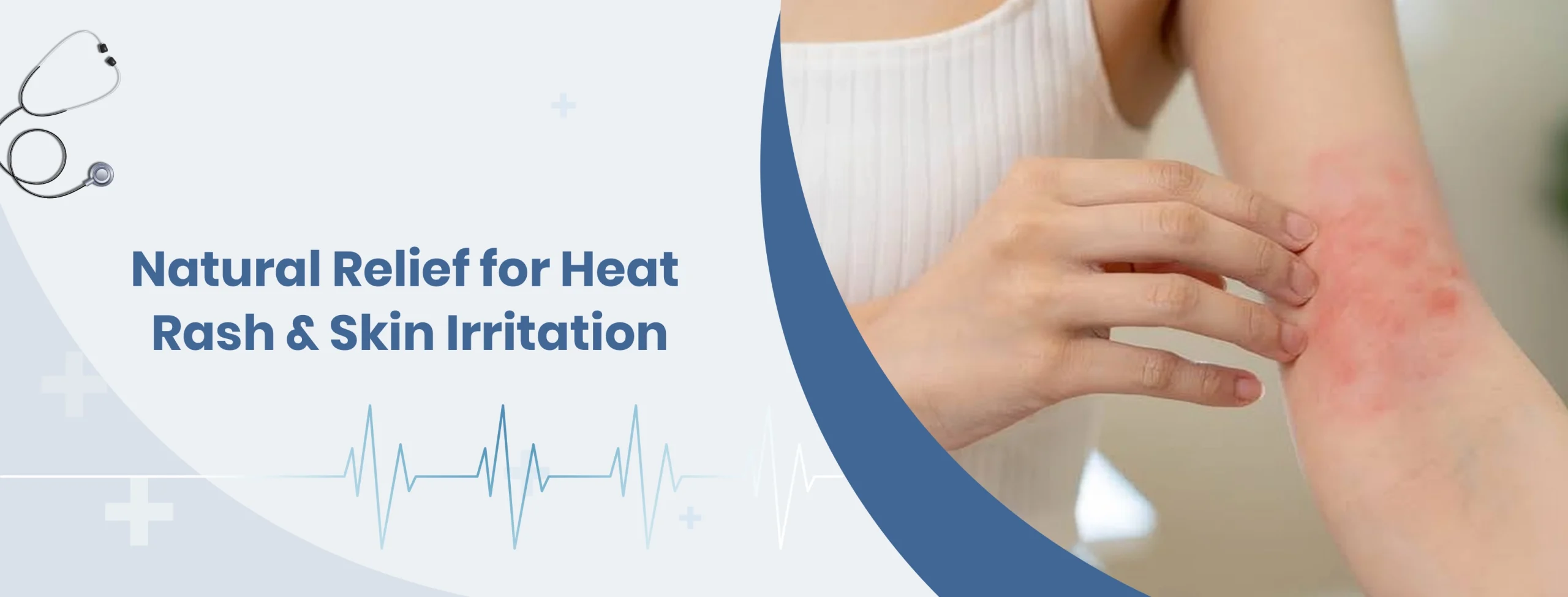
Homeopathy for Summer Rash: Natural Relief for Heat Rash & Skin Irritation
If your skin breaks out every summer with red, itchy bumps, burning patches, or prickly irritation that just will not settle, you are not alone. Summer rash is one of the most common complaints at homeopathic clinics across India during the hot months, and for good reason. The combination of extreme heat, sweat, humidity, and UV exposure creates the perfect storm for skin to react.
Many individuals explore homeopathy as part of their approach to managing recurring summer skin concerns. At Dr. Care Homeopathy, seasonal skin problems such as heat rash, prickly heat, and other summer-related skin irritations are among the conditions for which patients frequently seek consultation. With over 25 years of clinical experience, helping thousands of patients manage skin problems, Dr. Care Homeopathy provides personalised care tailored to each patient’s symptoms and overall health profile.
This guide explains what summer rash is, its common causes, how it differs from other types of skin rashes, and the role homeopathy may play as part of a broader skin wellness approach.
What Is Summer Rash?
Summer rash is a broad term for skin irritation that develops or worsens during hot weather. The most common form is prickly heat (medically called miliaria), which happens when sweat glands get blocked, and sweat cannot escape to the surface of the skin. The trapped sweat causes inflammation, producing red, prickling, itchy bumps, usually on the neck, chest, back, underarms, and skin folds.
Beyond prickly heat, summer rash also includes heat-triggered hives, sun rash (polymorphic light eruption), contact rashes from plants or sunscreen, and flare-ups of existing skin conditions like eczema and psoriasis that consistently worsen with summer heat. What all of these have in common is that they are driven by heat, sweat, and inflammation.
What Causes Summer Rash?
Summer rash does not have one single cause. It develops when several factors come together:
Blocked sweat glands: These are the core cause of prickly heat. When the skin’s surface becomes blocked by dead skin cells, heavy creams, or excessive sweating in clothing that cannot breathe, sweat gets trapped beneath the skin and causes localised inflammation.
Heat and humidity: Heat and humidity raise the skin’s temperature, increase sebum production, and create the warm, moist environment in which bacteria and fungi thrive. This is why fungal rashes and bacterial folliculitis are also significantly more common in summer.
UV radiation: UV rays from direct sun exposure triggers its own set of reactions —sunburn in most people, and in some, a sun allergy (polymorphic light eruption) that produces an itchy, raised rash on sun-exposed skin within hours of exposure.
Sweat itself: Our sweat is mildly acidic and contains salt, which irritates already-sensitive or compromised skin, particularly in people with eczema, psoriasis, or naturally sensitive skin types.
Synthetic clothing and tight fabrics: These trap heat and sweat against the skin, creating friction and occlusion — one of the biggest preventable triggers of summer rash that most people overlook.
Diet and internal heat: The food you eat also plays a role, particularly in homeopathic frameworks. Excess consumption of spicy, fried, or heat-producing foods in summer can increase internal body heat and worsen skin inflammation. This is something homeopathy addresses through internal constitutional treatment.
What are the Symptoms of Summer Rash
Summer rash can look and feel different depending on its type, but the common symptoms to watch for are:
- Small red or pink bumps, often in clusters, on the neck, chest, back, underarms, or skin folds
- Intense itching, prickling, or stinging sensation — often described as feeling like needles or nettle stings
- Skin that feels hot to the touch, even in areas away from direct sun
- Burning or rawness in skin folds where skin rubs against skin
- Tiny fluid-filled blisters (in miliaria crystallina, the mildest form) or deeper, more inflamed bumps (in miliaria rubra, the most common form)
- Redness or patches on sun-exposed areas of the face, arms, and chest
- Worsening of existing skin conditions like eczema or psoriasis
In most cases, summer rash improves when the person moves to a cool environment, but in people with recurring or constitutional skin sensitivity, it returns reliably every summer until the underlying tendency is treated.
Heat Rash vs Allergy Rash: How to Tell the Difference
Many patients come to Dr. Care Homeopathy clinics unsure whether their summer skin problem is a heat rash or an allergic reaction, and the distinction matters for treatment.
Heat rash (prickly heat/miliaria)
Heat rash develops in areas covered by clothing or where skin folds trap sweat. It comes on gradually as heat and humidity build up, is distributed in patches where sweating is heaviest, and typically improves quickly once the person cools down and the skin is allowed to breathe. There is no specific trigger other than heat itself.
Allergic Rash (contact dermatitis or hives)
Allergic Rash develops in response to a specific trigger, such as a new sunscreen, laundry detergent, plant contact, insect bite, food, or medication. It often appears suddenly, can occur anywhere on the body (including areas not exposed to heat), may spread beyond the initial contact site, and can be accompanied by swelling, hives, or, in more severe cases, breathing difficulty. Allergic hives (urticaria) tend to be raised, irregular welts rather than the small, uniform bumps of prickly heat.
Sun allergy (polymorphic light eruption)
This appears specifically on sun-exposed skin like the face, forearms, and chest, within hours of sun exposure, but not on skin that was covered. It is itchy and may look like small red bumps or irregular patches.
If you are unsure which type of rash you have, or if the rash is spreading rapidly, involves swelling of the face or throat, or is accompanied by fever, always seek medical assessment promptly.
How Homeopathy Treats Summer Rash
Homeopathy takes an individualised approach to summer rash. Rather than focusing solely on the visible rash, homeopathic practitioners consider the person’s overall symptom pattern, medical history, skin characteristics, and factors that may trigger or worsen the condition when selecting a remedy.
This means that two people with a similar-looking summer rash may receive different homeopathic prescriptions. For example, one person may experience a rash with burning and stinging sensations that feel better with cool applications, while another may have intense itching that worsens at night. In homeopathic practice, these differences help guide remedy selection.
At Dr. Care Homeopathy, consultations are designed to understand each patient’s unique symptoms and health profile. This personalised approach is a key principle of homeopathic care and is often one of the reasons people choose to explore homeopathy for recurring seasonal skin concerns. As with any skin condition, it is important to seek professional medical advice for persistent, severe, or worsening symptoms.
The Most Effective Homeopathic Remedies for Summer Rash
Homeopathic medicines should be taken only after consulting a qualified homeopathic doctor who can assess your symptoms and overall health condition. Self-medication should be avoided, as different skin rashes can look similar but may require different treatments. If your rash is severe, spreading, infected, or not improving, seek professional medical advice promptly.
Common Homeopathic Remedies Used for Summer Rash
Urtica Urens
Urtica Urens is commonly considered when summer rashes cause intense stinging, burning, and itching sensations. It is often associated with prickly heat, heat-triggered hives, and rashes that feel worse in hot weather or after sweating.
Apis Mellifica
This remedy may be considered when the rash appears red, swollen, puffy, and sensitive to touch. Many people who fit this symptom picture report feeling more comfortable with cool applications and less comfortable in heat.
Rhus Toxicodendron
Rhus Toxicodendron is often associated with very itchy rashes that may have small blisters. Symptoms may be more noticeable at night, and constant scratching can be a common complaint.
Sulphur
Sulphur is commonly discussed in homeopathic practice for people who experience recurring skin problems, especially when itching becomes worse from heat, warm weather, or being in bed.
Natrum Muriaticum
This remedy may be considered for individuals who experience summer skin problems alongside sun sensitivity, dry or cracked lips, or a tendency toward oily skin and breakouts.
Pulsatilla
Pulsatilla is often associated with skin complaints that seem to change from one episode to another. It is also commonly considered in children and in individuals who prefer cool, fresh air and feel uncomfortable in warm, stuffy environments.
Cantharis
Cantharis is traditionally associated with skin conditions where burning is the most prominent symptom, particularly in cases of sunburn or skin irritation accompanied by a strong burning sensation.
Graphites
Graphites may be considered when rashes produce a sticky discharge or affect skin folds such as behind the ears, inside the elbows, or behind the knees.
Skin Care Tips for Summer
Simple daily habits can go a long way in keeping your skin comfortable and healthy during the summer months.
Take regular showers
Bathe once or twice a day using lukewarm water. A gentle cleanser can help remove sweat, dirt, and excess oil without irritating the skin.
Choose breathable clothing
Wear loose-fitting clothes made from natural fabrics such as cotton or linen. These allow air circulation and help reduce sweating. Change out of sweaty clothes as soon as possible.
Keep skin folds clean and dry
Areas such as the underarms, groin, under the breasts, and behind the knees are more prone to heat rash and irritation. Dry these areas thoroughly after bathing.
Use lightweight skincare products
Heavy creams can feel uncomfortable in hot weather. If your skin needs moisturising, choose a light, non-greasy product. Don’t forget to apply SPF 30+ sunscreen before going outdoors.
Avoid scratching rashes
Scratching can further irritate the skin and increase the risk of infection. If itching is bothersome, a cool, damp cloth may provide temporary comfort.
Eat fresh, hydrating foods
Include foods such as cucumber, watermelon, curd, coconut water, and other fresh fruits and vegetables in your diet. Try to limit very spicy, oily, or heavily fried foods.
Stay well hydrated
Drink plenty of water throughout the day, especially if you spend time outdoors or sweat heavily. Staying hydrated supports overall health and helps your skin cope better with summer heat.
How to Prevent Summer Rash
A few simple precautions can help reduce the chances of developing summer rashes and skin irritation.
- Avoid excessive sun exposure: Try to stay indoors during the hottest part of the day, usually between 11 am and 4 pm. If you need to go outside, wear loose, protective clothing, a hat, and sunscreen on exposed skin.
- Adjust your skincare routine for summer: Heavy creams and oily products can feel uncomfortable in hot weather and may contribute to clogged pores. A simple routine with a gentle cleanser, lightweight moisturiser, and sunscreen is often sufficient.
-
- Keep your surroundings cool and ventilated: Good airflow can help reduce sweating and skin irritation. Use fans, open windows when possible, and keep living spaces comfortable during periods of extreme heat.
- Wear breathable clothing: Choose loose-fitting cotton or linen clothing that allows air circulation and helps sweat evaporate more easily. Avoid staying in damp or sweaty clothes for long periods.
-
- Know your skin triggers: If you notice that certain products, fabrics, activities, or environmental factors trigger skin reactions, try to minimise exposure to them, especially during hot and humid weather.
- Seek professional advice for recurring rashes: If you experience summer rashes every year or your symptoms keep returning, consider consulting a qualified healthcare professional. They can help identify possible triggers and recommend an appropriate management plan for your skin.
Dr. Care Homeopathy’s Approach to Summer Skin Problems
With more than 25 years of clinical experience, Dr. Care Homeopathy provides personalised care for a wide range of health concerns, including recurring summer skin problems.
Many patients seek consultation for issues such as prickly heat, summer rashes, itching, and other heat-related skin discomforts. During the consultation, doctors take time to understand the individual’s symptoms, medical history, lifestyle, seasonal triggers, and overall health profile before recommending a personalised treatment plan.
Over the years, Dr. Care Homeopathy has supported thousands of patients through both in-clinic and online consultations. If you experience recurring summer skin concerns or seasonal skin irritation, consulting a qualified homeopathic doctor can help you better understand your symptoms and explore suitable treatment options.
Note: Homeopathic treatment should always be taken under the supervision of a qualified doctor. Self-medication is not recommended.
In Conclusion
Summer rashes are common, but they do not have to become a recurring part of every hot season. Understanding the causes, recognising the symptoms early, following good skin care practices, and seeking timely medical advice can help keep your skin comfortable and healthy throughout the summer months. For those interested in complementary healthcare options, homeopathy is one approach that is often explored as part of an individualised skin wellness plan.
If you experience recurring heat rashes, prickly heat, itching, or other seasonal skin concerns, Dr. Care Homeopathy offers personalised consultations tailored to your symptoms and health history. With more than 25 years of clinical experience and a team of qualified homeopathic doctors, Dr. Care Homeopathy has helped thousands of patients manage a wide range of skin concerns. To learn more about your treatment options, consider scheduling a consultation with a qualified Dr. Care Homeopathy doctor.
Frequently Asked Questions
Why do I get skin rashes in summer?
Summer rashes are often caused by excessive sweating, heat, humidity, friction, sun exposure, or blocked sweat glands. These factors can irritate the skin and trigger conditions such as prickly heat, heat rash, or flare-ups of existing skin problems.
Is homeopathy effective for summer rash in children?
Many parents choose homeopathy as a complementary treatment option for children with summer skin concerns. However, treatment should always be prescribed by a qualified homeopathic doctor, as the choice of remedy depends on the child’s individual symptoms and overall health.
Can I use homeopathic remedies alongside conventional creams?
In many cases, homeopathic treatment is used alongside conventional skincare products or prescribed creams. Always inform your healthcare providers about any treatments you are using and follow your doctor’s instructions regarding prescribed medications.