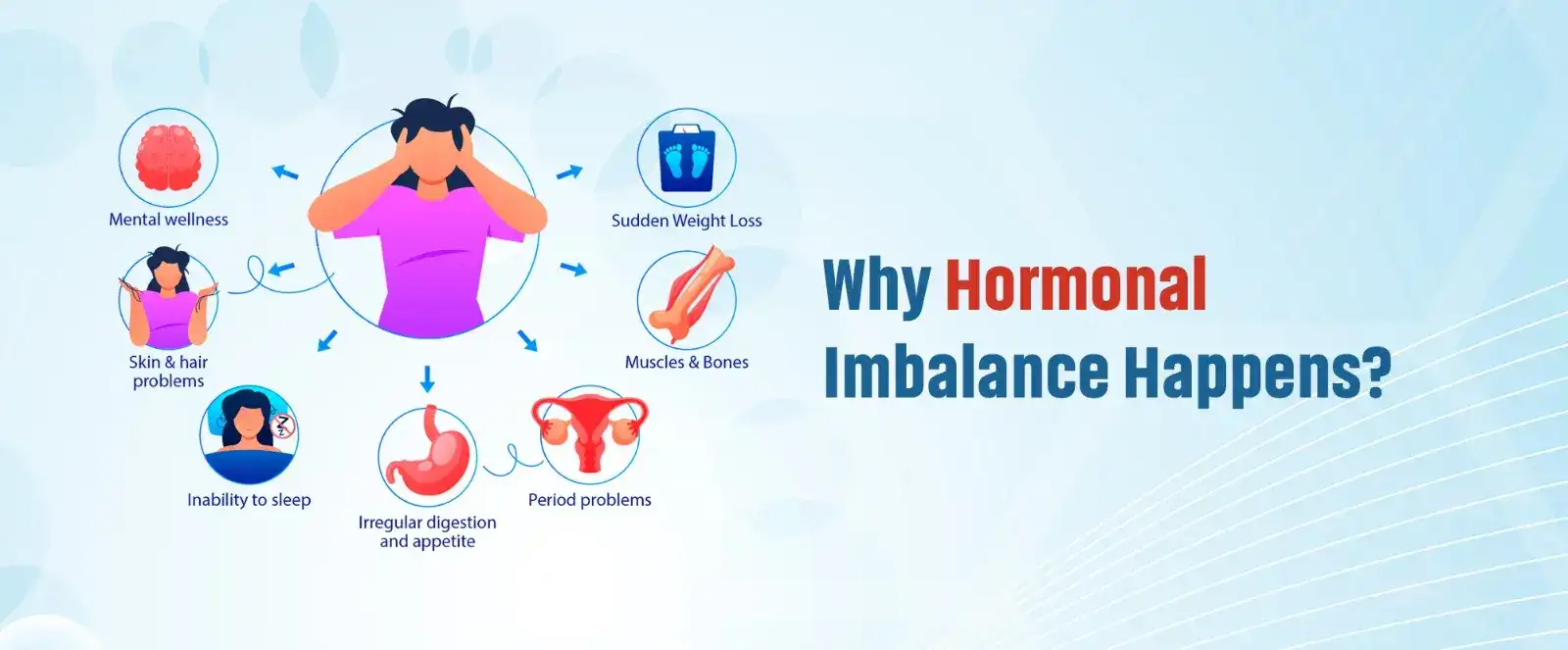
Why Hormonal Imbalance Happens: Understanding the Root Cause
Do you often feel exhausted despite getting enough sleep? Are you struggling with unexplained weight gain, sudden mood swings, or persistent skin issues? If so, you aren’t alone. These are the silent signals your body sends when your endocrine system—the complex network responsible for your hormones—is out of sync.
Hormones act as the body’s chemical messengers, regulating everything from your metabolism and sleep cycle to your mood and reproductive health. When this delicate balance is disrupted, it can lead to conditions like PCOS, Thyroid disorders, and chronic fatigue. But the real question isn’t just what is happening—it’s why hormonal imbalance happens in the first place.
At Dr. Care Homeopathy, we believe that a hormonal shift is rarely an isolated event. It is often a systemic response to external and internal triggers such as:
Chronic Stress: How elevated cortisol levels “hijack” your other hormones.
Environmental Factors: The hidden impact of endocrine disruptors in our daily lives.
Lifestyle & Nutrition: How gut health and diet play a pivotal role in hormone synthesis.
Genetic Predisposition: Why some individuals are more prone to imbalances like PCOD.
While conventional methods often focus on external hormone replacement, homeopathy takes a deeper path. By focusing on natural hormone balance, we aim to stimulate your body’s inherent healing mechanisms to restore equilibrium from within.
In this guide, we will dive deep into the primary causes of hormonal shifts and explore how personalized homeopathy treatment can offer a safe, permanent, and side-effect-free path to wellness.
Hormonal balance affects everyday life significantly. This balance plays a crucial role in a woman’s overall health and well-being. Hormones are like chemical messengers regulating multiple important body functions. These include metabolism, menstrual cycles, mood, fertility, sleep, and energy levels. Even a little imbalance in hormones can affect both physical and emotional health.
Today, many women suffer from hormonal imbalances that affect their health. A stressful lifestyle, sedentary habits, poor food choices, inadequate sleep, and an unfavorable environment all contribute to this growing concern. Hormonal issues can affect women at any age. From teenage years to menopause, many suffer from hormonal health issues.
Treating the root cause ofthe hormonal issue is important to restore its balance. Natural treatments like homeopathy work the best for this. Homeopathy offers a gentle approach to addressing hormonal issues. It provides personalised care that addresses the root cause of the problem while offering long-term healing.
Let’s understand more about hormonal imbalance in detail, including its causes, symptoms, diagnosis, and how homeopathy can support long-term hormonal health.
What Is Hormonal Imbalance?
Hormonal imbalance occurs when there is too much (excessive) or too little (minimal) of a hormone in our bloodstream. As hormones influence various systems, even minor changes can cause noticeable symptoms. The endocrine system controls hormone production through glands such as the ovaries, thyroid, adrenal glands, and pituitary gland.
In women, hormonal balance is especially sensitive. Natural life stages like puberty, pregnancy, postpartum, and menopause already cause hormonal shifts. When these shifts become excessive or prolonged, a hormonal imbalance occurs. These hormonal imbalances may interfere with daily functioning and quality of life. Every hormone in the body plays a specific role. Hence, an imbalance can cause problems in the body.
Hormones that commonly become imbalanced include:
- Estrogen
- Progesterone
- Thyroid hormones
- Insulin
- Cortisol
Common Causes of Hormonal Imbalance in Women
Hormonal imbalance can develop due to a combination of internal and external factors. Understanding these causes helps in early prevention and better management.
Lifestyle and Environmental Causes
- Chronic stress increases cortisol levels and disrupts other hormones
- Poor diet leads to nutritional deficiencies affecting hormone production
- Inadequate sleep interferes with hormone regulation
- Exposure to environmental toxins affects endocrine function
- A sedentary lifestyle slows metabolism and insulin sensitivity
Medical and Health-Related Causes
- Polycystic Ovary Syndrome (PCOS)
- Thyroid disorders
- Insulin resistance and diabetes
- Autoimmune conditions
- Long-term use of hormonal medications
Life Stage–Related Causes
- Puberty-related hormonal changes
- Pregnancy and postpartum hormone shifts
- Perimenopause and menopause
- Age-related decline in hormone production
Common Signs and Symptoms of Hormonal Imbalance
Symptoms of hormonal imbalance vary depending on which hormone is affected. Some symptoms develop slowly and are often ignored in the early stages. In some cases, symptoms of hormonal imbalances may be mild but worsen with time, especially when left untreated for a long time.
Physical Symptoms of Hormonal Imbalances
- Irregular or missed periods
- Weight gain or difficulty losing weight
- Persistent fatigue
- Acne or skin breakouts
- Hair fall or thinning hair
- Bloating and digestive issues
Emotional and Mental Symptoms of Hormonal Imbalances
- Mood swings
- Anxiety or low mood
- Irritability
- Poor concentration
- Sleep disturbances
Reproductive and Metabolic Symptoms of Hormonal Imbalances
- Heavy or painful periods
- Reduced fertility
- Low libido
- Insulin resistance
- Sugar cravings
What are the types of hormonal imbalances in women?
Hormonal imbalance can present in different forms depending on the hormone involved.
Estrogens Dominance. This occurs when oestrogen levels are too high in relation to progesterone.
- Common in PCOS and perimenopause
- Leads to heavy periods, weight gain, and breast tenderness
- Often linked with mood changes
Progesterone Deficiency
Low progesterone affects menstrual regularity and emotional stability.
- Causes irregular cycles and anxiety
- Often seen with stress and poor sleep
- Affects fertility and pregnancy support
Thyroid Hormone Imbalance
Thyroid hormones regulate metabolism and energy.
- Hypothyroidism slows metabolism
- Hyperthyroidism speeds it up
- Both affect weight, mood, and menstrual cycles
Insulin Imbalance
Insulin resistance affects blood sugar regulation.
- Common in PCOS
- Leads to weight gain and fatigue
- Increases risk of diabetes
Cortisol Imbalance
Excess cortisol results from prolonged stress.
- Disrupts sleep and digestion
- Affects thyroid and reproductive hormones
- Causes fatigue and anxiety
When Should You See a Doctor?
Hormonal issues, when ignored for long, can lead to serious complications. Hence, it is best to see a doctor when symptoms persist or become worse with time. Early evaluation and diagnosis can help take the right steps early and prevent future complications. You should see a doctor if you experience:
- Persistent irregular periods
- Sudden weight changes
- Ongoing fatigue or mood disturbances
- Excessive hair fall
- Excessive acne
- Fertility concerns
- Symptoms affecting daily life
How hormonal imbalance diagnosed?
To diagnose a hormonal imbalance, your doctor will carry out multiple tests. They will see your symptoms and test results to make a proper diagnosis.
Some diagnostic tests for hormonal imbalances may include:
- Medical history examination
- Physical examination
- Blood tests
- Thyroid function tests
- Insulin tests
- Imaging tests if needed
Conventional Treatment Options for Hormonal Imbalances
Conventional treatment focuses on correcting hormone levels or managing symptoms. The approach depends on the type and the severity of the imbalance. These methods can provide temporary relief; they may not address the root cause. Long-term medication use may also cause side effects in some individuals.
Common conventional treatment options for hormonal imbalances include:
- Hormone replacement therapy
- Birth control pills
- Thyroid medications
- Insulin-regulating drugs
- Symptom-based treatments
Role of Homeopathy in Hormonal Imbalance
Hormonal imbalances require treatment from the inside and not just temporary symptomatic relief. This is where homeopathy comes to play. As a holistic and gentle approach, homeopathy for hormonal imbalances is best for those seeking personalised therapy for long-term health.
Homeopathic remedies are given based on individual symptoms, overall health, lifestyle, and emotional state. This personalised approach makes homeopathy suitable for long-term care.
Homeopathic treatment is ideal for individuals with hormonal imbalances as it focuses on:
- Identifying the root cause of the imbalance
- Supporting natural hormone regulation
- Improving emotional and physical balance
- Strengthening the body’s self-healing ability
NOTE: Homeopathic medicines are carefully picked by a qualified homeopathic practitioner to meet a patient’s unique medical needs. Hence, homeopathic remedies must be taken only when prescribed by a qualified homeopathic doctor after proper evaluation.
Homeopathy Treatment for Hormonal Imbalance at Dr. Care Homeopathy
At Dr. Care Homeopathy, we offer safe, natural, and holistic care for hormonal imbalance in women. Our approach focuses on identifying and correcting the underlying causes rather than just managing symptoms. We consider physical complaints, emotional patterns, lifestyle habits, and medical history while designing treatment plans.
Our homeopathic remedies help manage concerns such as irregular periods, weight gain, mood swings, acne, hair fall, fatigue, and fertility issues. Treatment is gentle, non-invasive, and suitable for long-term use. This makes it ideal for women seeking sustainable hormonal balance without harsh side effects.
With over 22 years of experience in holistic healing, Dr. Care Homeopathy is trusted across the country. Our experienced team and evidence-based homeopathic care have supported over 44 lakh patients in improving hormonal health and overall well-being.
Lifestyle Changes to Support Hormonal Balance
In many women, hormonal imbalances happen due to a poor lifestyle. Hence, making small and consistent changes to lifestyle can significantly maintain hormonal health. To maintain hormonal health, the following lifestyle changes can help:
Dietary Measures
- Eat a balanced, nutrient-rich diet
- Include healthy fats and lean proteins
- Reduce sugar and processed foods
- Stay hydrated throughout the day
Physical Activity
- Engage in regular moderate exercise
- Include strength training and flexibility routines
- Avoid excessive or extreme workouts
Stress Management
- Practice yoga
- Get started with meditation
- Use breathing techniques
- Take regular breaks from work
Sleep and Routine
- Maintain a consistent sleep schedule
- Aim for 7–9 hours of quality sleep
- Reduce screen time before bed
Complications of Untreated Hormonal Imbalance
If left untreated, a hormonal imbalance may lead to long-term complications. Early care helps prevent these outcomes.
Possible complications include:
- Infertility
- Metabolic disorders
- Cardiovascular risks
- Mental health concerns
- Osteoporosis
- Poor quality of life
Takeaway
Hormonal imbalance is pretty common for women, but it doesn’t have to take over your
life. Once you know what’s causing it and what to look out for, you’re
already halfway there. The right diagnosis, some changes to your daily
habits, and the right treatment can help you get things back on track. Homeopathy takes a gentle, whole-person approach. Instead of just covering up symptoms, it aims to get to the real cause and help your body heal itself.
With care that’s tailored to you and advice from professionals who really get it, women can find lasting balance and start feeling better for good. If you’re dealing with symptoms of hormonal imbalance, getting the right help matters. At Dr. Care Homeopathy, we’re here to support you.
Our team offers personalized homeopathic treatments designed for your long-term health. We don’t just patch things up—we focus on what’s really going on, so you can heal and move forward with confidence.
Frequently Asked Questions
- What causes hormonal imbalance in women?
A combination of poor lifestyle, stress, and environmental factors can cause hormonal imbalances in women.
- Can stress cause a hormonal imbalance?
Yes, chronic stress can cause the cortisol hormone to spike. This can cause an imbalance in the hormone and lead to many problems. Some stress-related hormonal problems include delayed or missed periods, PCOS, mood swings, and more.
- Is homeopathy actually helpful for hormone issues?
Yes, homeopathy targets the root cause of hormone issues. It provides natural and holistic healing.
Visit Dr. Care Homeopathy Near You.” Hormonal health is complex, but your treatment doesn’t have to be. With world-class facilities and experienced homeopaths across South India, expert care is always within reach.