At a Glance: Homeopathy Treatment for Fatty Liver
Homeopathy offers a natural, non-invasive approach to managing fatty liver by addressing metabolic imbalances and improving liver function. Research suggests that early intervention with homeopathic remedies can help reverse “silent” liver damage and prevent progression to fibrosis. As the best homeopathy clinic in Hyderabad, Dr. Care Clinic leverages the expertise of over 300+ qualified Doctors across 53 branches to provide personalized, evidence-based treatment for fatty liver disease.
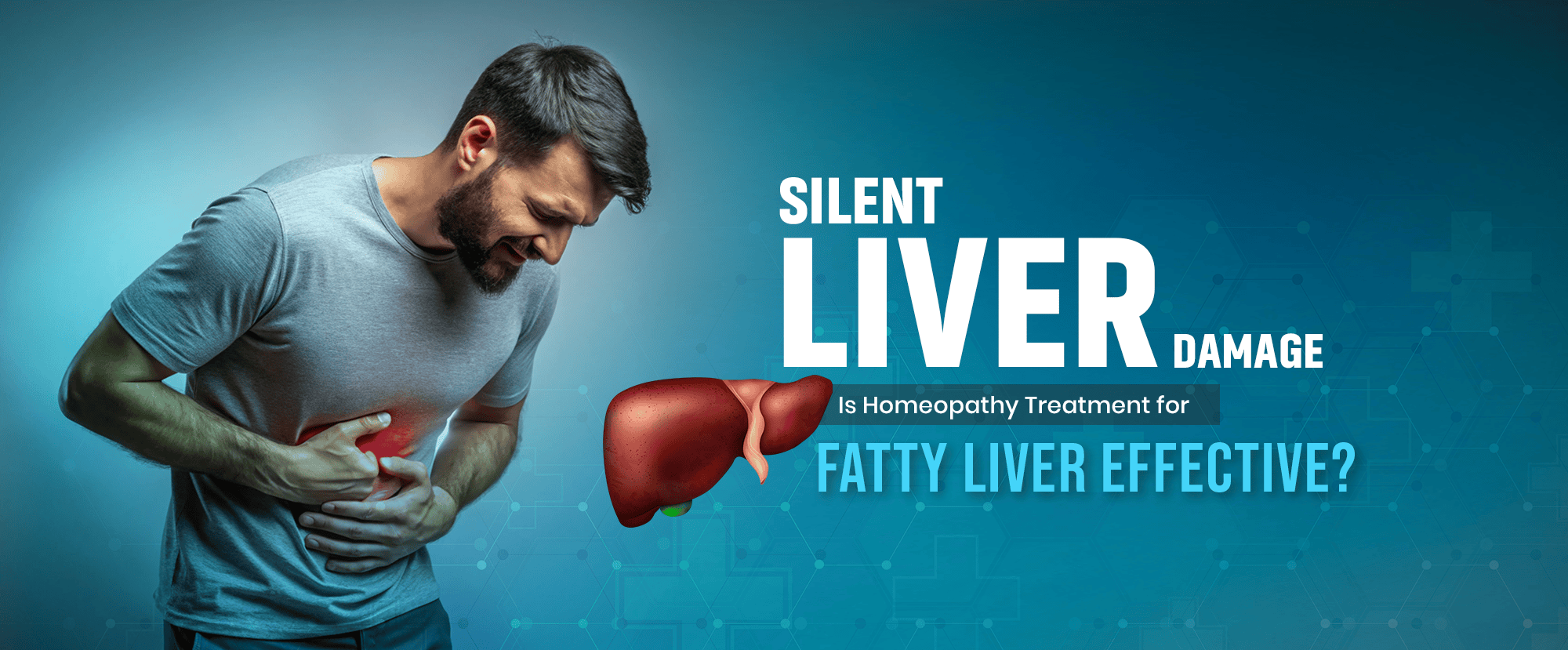
Understanding the “Silent” Threat to Your Liver
The liver is a vital organ responsible for detoxifying the body and processing nutrients. It is located on the upper-right side of the abdomen. Healthy liver function is essential for overall well-being.
Fatty liver disease happens when excess fat builds up within liver cells. In many cases, it causes no early symptoms and goes unnoticed. Over time, this fat buildup can trigger inflammation and liver damage.
This condition is becoming more common due to rising obesity and metabolic disorders. If ignored, it may progress to scarring, cirrhosis, or serious liver complications. Early diagnosis and holistic care, including homeopathy, can support liver health effectively.
Homeopathy focuses on treating the root issues of diseases. Hence, it is used for managing fatty liver, sometimes even in combination with conventional treatments.
Let’s understand fatty liver in detail and see how homeopathy can help with fatty liver treatment and management.

What is fatty liver disease?
When too much fat accumulates within the liver, it causes fatty liver disease. Having a little fat on the liver is normal. But if it exceeds more than 10 percent of the liver’s weight, then it becomes a problem.
In most individuals, fatty liver may not present any symptoms initially. However, gradually, it can cause inflammation and damage. Too much damage can eventually lead to liver cirrhosis. Hence, it is important to take timely measures with fatty liver.
What are the types of Fatty Liver Disease?
The various types of Fatty liver disease include the following:
- Non-Alcoholic Fatty Liver Disease (NAFLD): This type occurs in people who drink little or no alcohol. It is commonly linked to obesity, diabetes, and other metabolic problems.
- Alcoholic Fatty Liver Disease (AFLD): This form is caused by excessive and long-term alcohol consumption. Alcohol interferes with normal fat breakdown, leading to fat buildup in the liver.
- Non-Alcoholic Steatohepatitis (NASH): This is a more severe form of fatty liver disease. It involves liver inflammation and damage due to excess fat accumulation.
What Causes Fatty Liver?
Fatty liver occurs when excess fat accumulates in the liver over time. The exact reasons why some people are affected and others are unclear. In some cases, fat build up progresses to inflammation and liver damage.
Major contributing factors of fatty liver include:
- Being overweight or obese, especially around the abdomen
- Insulin resistance and type 2 diabetes
- High blood fats, including cholesterol and triglycerides
Other triggers of fatty liver include:
- Severe alcohol consumption
- Rapid weight loss or having malnutrition
- Genetic predisposition and certain health conditions, such as metabolic syndrome, PCOS, and an underactive thyroid
- Rarely, fatty liver can occur during pregnancy, usually in the third trimester
Who is at most risk of fatty liver:
- Early identification of risk factors helps prevent progression to severe liver disease
- Middle-aged adults who are overweight
- Individuals with high triglycerides or metabolic disorders
What are the Signs and Symptoms of Fatty Liver?
In early or mild cases, fatty liver may present symptoms like:
- Feeling fatigued or very tired
- Pain or discomfort in the upper abdomen
- Unexplained loss of weight
- A general feeling of being unwell
Signs of more serious disease (MASH or cirrhosis) include:
- Itchy skin
- Yellowing of the skin and eyes (jaundice)
- Bruising easily
- Spider-like blood vessels under the skin
- Dark urine and black stools
- Abdominal swelling (ascites)
- Swelling in the legs
- Enlarged spleen
- Vomiting blood
- Change in skin color on the palms
- Bruising easily
When Should You See a Doctor?
See a doctor if you experience any of the above-mentioned symptoms or if they become worse.
How Is Fatty Liver Diagnosed?
Fatty liver disease often causes no symptoms. It is usually found during routine tests done for other reasons. If a fatty liver is suspected, your healthcare provider will run some tests to make a diagnosis.
Blood tests used include:
- Liver enzyme and liver function tests to check how well the liver is working.
- Complete blood count to look for signs of infection or anaemia.
- Iron studies to measure iron levels in the blood.
- Hepatitis B and C tests to rule out viral liver infections.
- Celiac disease screening to exclude related conditions.
- Fasting blood sugar and A1C tests to assess blood sugar control.
- Lipid profile to check the cholesterol and triglyceride levels.
Imaging tests may include:
- An abdominal ultrasound is often the first test when fatty liver is suspected.
- CT scan or MRI to detect excess liver fat and advanced scarring.
- Transient elastography is a special ultrasound that measures liver stiffness.
- Magnetic resonance elastography, which shows liver stiffness in greater detail.
Liver biopsy:
- A liver biopsy may be advised if MASH is suspected or the results are unclear.
- A small liver tissue sample is taken using a needle and examined in a lab.
- It helps assess inflammation and scarring, but is not needed for most patients.
These tests help confirm fatty liver and assess its severity. They also rule out other causes of liver disease.
What are some conventional treatments for fatty liver?
Conventional treatments for fatty liver mainly focus on lifestyle changes.
Weight loss is usually the first and most important step. A healthy diet, proper portion control, and regular exercise can help manage the condition initially. Even modest weight loss can improve liver fat and related health conditions.
Managing blood sugar, cholesterol, and triglycerides is also important. People with fatty liver are also advised to avoid alcohol or stop it completely. Smoking and vaping should be avoided to protect liver health. Certain medicines that affect the liver may also need to be stopped. For people with MASH and moderate to severe liver scarring, medicines may be prescribed. In advanced cases of fatty liver, a liver transplant may be required.
Homeopathy treatment for Fatty liver
Homeopathy is widely used by many individuals for its benefits. For individuals with fatty liver, homeopathy offers a holistic approach to management. It focuses on improving liver metabolism and supporting the body’s natural detoxification processes.
The goal of homeopathy is to help regulate fat accumulation in the liver and restore functional balance.
Homeopathic treatment also aims to improve digestion and enhance energy levels.
It addresses associated conditions such as obesity, insulin resistance, and diabetes.
Care is directed toward overall metabolic health rather than the liver alone.
Treatment is gentle, non-invasive, and highly individualised. Homeopathic remedies are selected based on the person’s symptoms, medical history, and overall health. This personalised approach supports the body’s self-healing ability and long-term well-being.
Note: Homeopathic medicines should be taken only under the guidance of a qualified homeopathic doctor.
What are some common homeopathic remedies for fatty liver?
Homeopathic remedies for fatty liver are to be taken only after consulting a homeopathic doctor. Based on your symptoms and overall health, your homeopathic doctor will make a personalised plan. Some commonly prescribed homeopathic remedies may include:
- Chelidonium Majus: This remedy is used in fatty liver with liver enlargement, jaundice, and right-sided abdominal pain. It supports bile flow, improves digestion, and helps relieve liver congestion.
- Lycopodium Clavatum: This homeopathic remedy is recommended when fatty liver is associated with bloating, gas, and right-sided pain. It helps improve liver function and digestion, especially after fatty meals.
- Carduus Marianus (Milk Thistle): It is helpful in fatty liver linked to alcohol use or chronic liver stress. It supports liver cell regeneration and reduces symptoms like nausea and heaviness.
- Bryonia Alba: It is used in acute liver inflammation with sharp pain, thirst, and constipation. It helps reduce inflammation and supports the process of healing of the liver.
- Nux Vomica: This remedy is suited for individuals with liver overload from alcohol, rich foods, or medications. It supports detoxification and relieves indigestion, nausea, and irritability.
- Phosphorus: It is beneficial in liver inflammation with fatigue, tenderness, and jaundice. This remedy supports liver regeneration and helps improve overall energy levels.
Note: Homeopathic remedies are individualised and should be taken only under the guidance of a qualified homeopathic doctor.
Managing Fatty Liver with Homeopathy at Dr. Care Homeopathy
At Dr. Care Homeopathy, we provide safe, natural, and holistic care for fatty liver disease by addressing the root causes rather than focusing only on abnormal liver enzyme levels. Our approach works on improving liver metabolism, supporting detoxification, and restoring overall metabolic balance. Each treatment plan is personalised based on the type of fatty liver, disease severity, associated symptoms, and the individual’s overall health.
Homeopathic treatment for fatty liver does not target the liver alone. It also helps manage related conditions such as obesity, insulin resistance, diabetes, and digestive disturbances. By supporting digestion, energy levels, and fat regulation, homeopathy aims to promote long-term liver health and prevent disease progression. The treatment is gentle, non-invasive, and suitable for long-term use without harsh side effects.
With over 22 years of experience in holistic care, Dr. Care Homeopathy is trusted nationwide for personalised and effective treatment. Our experienced team follows evidence-based homeopathic practices to support the body’s natural healing ability. This comprehensive approach helps patients achieve sustainable improvement in liver health and overall well-being.
Lifestyle Measures That Support Fatty Liver Healing
Some lifestyle measures to safeguard your liver health include the following:
- Follow a balanced, liver-friendly diet that supports overall metabolic health.
- Reduce the intake of fatty, fried, and sugary foods to limit fat buildup in the liver.
- Increase physical activity through regular exercise to improve metabolism.
- Maintain a healthy weight to reduce stress on the liver.
- Avoid alcohol completely and refrain from smoking to prevent further liver damage.
- Stay well-hydrated to support detoxification and digestion.
- Manage stress effectively and ensure adequate sleep to support healing and recovery.
Conclusion
Fatty liver disease is often silent in its early stages, but it can lead to serious liver damage if left unmanaged. Early diagnosis, timely lifestyle changes, and a holistic treatment approach play a crucial role in preventing disease progression. Homeopathy supports liver metabolism, detoxification, and overall balance, making it a valuable option for long-term fatty liver management when guided by a qualified professional.
At Dr. Care Homeopathy, we specialise in personalised, holistic care for fatty liver disease. With over 22 years of experience, our approach focuses on identifying root causes, improving metabolic health, and supporting the body’s natural healing ability. Through gentle, safe, and individualised treatment, we help patients achieve sustainable improvement in liver health and overall well-being.
Frequently Asked Questions
- Can fatty liver occur without symptoms?
Yes. Many people have fatty liver without any noticeable symptoms, especially in the early stages.
- Is fatty liver reversible?
Yes. In many early cases, fatty liver can be reversed with timely lifestyle changes and appropriate treatment.
- Can fatty liver lead to liver cirrhosis?
Yes. If fatty liver progresses to inflammation and scarring, it can eventually lead to cirrhosis.