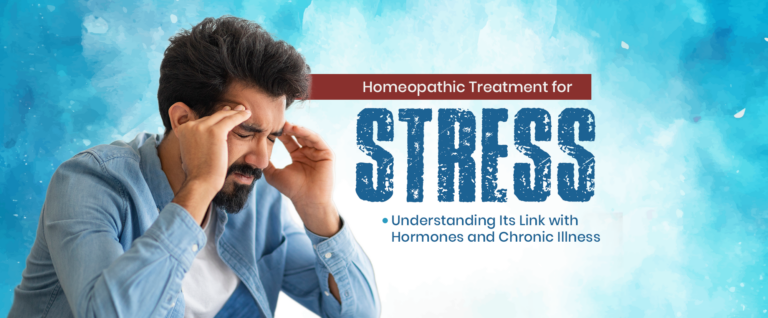
Stress has become a constant part of modern life for students, homemakers, and working professionals alike. Deadlines, financial concerns, family responsibilities, and health worries can all gradually strain both mind and body. When this pressure continues for a long time, it can disturb hormone balance, weaken immunity, and pave the way for chronic health problems.
Homeopathy Treatment for Stress offers a gentle, personalized way to support the body and mind. Instead of focusing only on symptoms like anxiety, insomnia, or fatigue, homeopathy looks at the complete picture of how stress is affecting you and aims to restore balance from within.
While short-term stress is a natural response that helps the body adapt and survive, long-term or chronic stress can quietly disrupt vital body systems. This is a reality many people know but choose to ignore, until their health worsens.
One of the most significant yet often overlooked effects of chronic stress is how it affects the hormones. Hormones act as chemical messengers that regulate nearly every function in the body. Hormones are important for metabolism, immunity, mood, sleep, and reproduction. When stress is constant, hormonal balance is disturbed. As a result, there is an increased risk of chronic illness.
Understanding the link between stress, hormones, and chronic disease is essential for early treatment, effective management, and long-term health. Today, many individuals are moving to natural treatment options. Among them, homeopathy is being widely used for its lifelong health benefits.
Let’s learn more about stress, hormones, chronic illnesses, and their connection.
What Is Stress?
Stress is the body’s natural response to any situation that the body thinks is challenging, threatening, or demanding. Stress can trigger a series of emotional and physical reactions that are made to help the body cope.
Acute Stress vs Chronic Stress
- Acute stress is short-term and temporary. It occurs during events like deadlines, public speaking, or sudden emergencies. Once the situation passes, the body usually returns to normal.
- Chronic stress occurs when stressors persist for weeks, months, or even years. For example, ongoing work pressure, unresolved emotional trauma, long-term caregiving, financial insecurity, or chronic illness.
Chronic stress has the body in a constant “alert” mode. Being under constant stress can gradually wear down multiple systems in the body.
Understanding Hormones and Their Role in the Body
Hormones are chemical substances released into the bloodstream by endocrine glands. Our everyday body processes are regulated by our hormones. They also help maintain internal balance. Even minor fluctuations in hormones can affect various functions in the body.
The important glands producing hormones in our body include:
- Hypothalamus and pituitary gland: These control and coordinate the endocrine system.
- Adrenal glands. This gland manages stress hormones like cortisol and adrenaline
- Thyroid gland: It produces hormones that regulate metabolism and energy
- Pancreas: They control blood sugar levels in the body through insulin
- Ovaries and testes: These glands regulate reproductive hormones
How Stress Affects Hormonal Balance
When the body encounters stress, it activates the HPA (hypothalamic-pituitary-adrenal) axis. The HPA axis is a system that controls the stress response.
Cortisol and the Stress Response
Cortisol, also commonly called the “stress hormone,” is released by the adrenal glands. In the short term, cortisol helps by:
- Increasing energy availability
- Raising blood sugar
- Enhancing alertness
- Suppressing non-essential functions like digestion
However, when cortisol remains elevated for long periods, it becomes harmful.
Effects of Chronic Cortisol Elevation
Elevated levels of cortisol have a significant negative impact on the body. High levels of cortisol hormone cause:
- Disrupted sleep–wake cycles
- Weight gain, especially around the abdomen
- Suppressed immune function
- Increased inflammation
- Blood sugar imbalance
- Mood disturbances
Impact of Stress on Other Hormones
Stress affects each hormone in the body. This, in turn, affects the other normal functioning of the body.
Thyroid Hormones
Chronic stress can interfere with thyroid hormone production and conversion. This can lead to symptoms such as:
- Fatigue
- Weight gain or difficulty losing weight
- Cold intolerance
- Hair thinning
- Low mood
Stress may worsen autoimmune thyroid conditions or mimic thyroid dysfunction symptoms.
Insulin and Blood Sugar Regulation
Stress raises blood sugar levels to provide quick energy. Having constantly high levels of blood sugar can, over time, lead to problems such as:
- Insulin resistance
- Prediabetes or type 2 diabetes
- Increased fat storage
Reproductive Hormones
Stress affects reproductive hormones in both men and women. Stress can affect estrogen, progesterone, and testosterone levels, leading to:
- Irregular menstrual cycles
- Worsening PMS symptoms
- Reduced fertility
- Low libido
- Menstrual irregularities or hormonal imbalance disorders
Sleep Hormones
Adequate sleep is important to relieve stress. However, stress disrupts melatonin production, leading to:
- Difficulty falling asleep
- Frequent nighttime awakenings
- Poor sleep quality
The Link Between Stress, Hormones, and Chronic Illness
Chronic stress and hormonal imbalance play a major role in the development and progression of many long-term health conditions. When not addressed on time, stress can lead to serious long-term health consequences. Some of these are given below.
Autoimmune Disorders
Stress affects immune regulation, increasing inflammation and immune dysregulation. This can trigger or worsen conditions such as:
- Rheumatoid arthritis
- Lupus
- Hashimoto’s thyroiditis
- Psoriasis
Metabolic Disorders
Hormonal imbalance caused by stress may contribute to conditions such as:
- Obesity
- Diabetes
- Metabolic syndrome
- Fatty liver disease
Digestive Disorders
Stress alters gut motility, acid production, and gut microbiota balance. A disturbed gut can cause digestive issues such as:
- Irritable bowel syndrome (IBS)
- Acid reflux
- Chronic bloating and indigestion
Cardiovascular Disease
Chronic stress increases the chances of cardiovascular diseases. It affects blood pressure, cholesterol levels, and inflammation. This, in turn, increases the risk of:
- Hypertension
- Heart disease
- Stroke
Mental Health Conditions
Mental health and physical health are significantly interconnected, and one often worsens the other. Stress and hormonal imbalance are strongly linked to several mental health issues, such as:
- Anxiety disorders
- Depression
- Burnout
- Chronic fatigue syndrome
Signs and Symptoms of Stress-Related Hormonal Imbalance
Stress does not impact your health immediately. It gradually affects your body. Symptoms of stress-related problems may develop gradually and vary from person to person. Common signs may include:
- Persistent tiredness despite adequate rest
- Sleep disturbances
- Weight gain or unexplained weight loss
- Mood swings, anxiety, or irritability
- Difficulty concentrating
- Digestive discomfort
- Reduced immunity and frequent infections
- Menstrual irregularities
- Low motivation or emotional exhaustion
Because these symptoms are not specific to one condition, many people ignore them until a chronic condition develops. Hence, it is important to see a doctor if you experience these symptoms, especially when stressed.
When Should You See a Doctor?
Seek medical advice if your:
- Symptoms persist for several weeks or months
- Daily functioning is affected
- You experience recurrent illness or slow recovery
- Hormonal test results are abnormal
- Stress feels overwhelming or unmanageable
Getting an early diagnosis can help manage the condition effectively and on time.
How Are Stress-Hormone Imbalances Diagnosed?
Stress-hormone imbalances require detailed evaluation. To diagnose your condition, your healthcare provider may conduct several tests that may include:
Medical History and Physical Examination
In this, doctors assess factors like:
- Your symptoms
- Lifestyle factors
- Emotional stressors
- Sleep patterns
- Family history
Blood Tests
Depending on symptoms, blood tests may include:
- Thyroid function tests
- Blood sugar levels
- Lipid profile
- Reproductive hormone levels
Lifestyle and Mental Health Assessment
To understand your symptoms and condition better, your doctor may look at:
- Work pressure
- Emotional health
- Sleep quality
- Daily habits
Conventional Treatment Approaches
Management of stress, hormones, and chronic conditions usually involves a combination of medical and lifestyle plans. The various conventional treatments may include:
Symptom-Based Medications
- Hormone replacement therapy is required
- Medications for blood sugar or thyroid control
- Anti-anxiety or antidepressant medicines in selected cases
Stress Management Strategies
- Psychological counselling
- Cognitive behavioural therapy
- Relaxation techniques
Lifestyle Modifications
- Improved sleep hygiene
- Dietary changes
- Regular physical activity
While these approaches help control symptoms, addressing long-term stress is essential.
Lifestyle Measures That Support Hormonal and Stress Balance
The lifestyle you lead affects your stress levels. Having a healthy lifestyle can support your health in the long run. Below are some changes you can make to your routine to support hormonal balance.
Stress Reduction
- Mindfulness practices
- Breathing exercises
- Meditation or yoga
Nutrition
- Balanced meals with adequate protein and fibre
- Limiting processed foods and refined sugars
- Staying hydrated
Physical Activity
- Regular moderate exercise
- Stretching and mobility exercises
Sleep Hygiene
- Consistent sleep schedule
- Reducing screen time before bed
- Creating a calm sleep environment
Emotional Well-Being
- Setting boundaries
- Seeking social support
- Prioritizing self-care
Importance of Early Intervention
Addressing stress and hormonal imbalance early can:
- Prevent progression into chronic illness
- Improve energy and mental clarity
- Enhance immune function
- Improve quality of life
- Reduce long-term health complications
Ignoring early signs often leads to more complex health problems that require prolonged treatment.
Homeopathy Treatment for Stress and Hormonal Imbalances
Homeopathy is a holistic approach to treating many conditions. As hormonal imbalances occur due to various causes, homeopathy works well in restoring the balance. Homeopathic medicines work by targeting the root cause of these imbalances. These homeopathic remedies also treat the body as a whole, hence they offer healing in the long run. Since homeopathy follows a personalized approach, treatment is given based on the patient’s unique conditions.
NOTE: Homeopathy treatments are personalized. Do not take any homeopathic medicine without consulting a qualified homeopathic doctor.
Managing Hormonal Imbalances with Homeopathy Treatment for Stress: Gentle, Effective Care at Dr. Care Homeopathy Clinics
At Dr. Care Homeopathy, we provide safe, natural, and holistic care for hormonal imbalances. Our focus is on treating the root cause, not just controlling symptoms. The approach supports the body’s natural regulatory systems. It helps balance endocrine function, reduces stress-related hormonal disturbances, and strengthens overall immunity.
Hormonal imbalances differ from person to person. That is why we design personalized treatment plans. These are based on the type of imbalance, associated symptoms, emotional health, lifestyle factors, and medical history. Our remedies help manage common concerns such as thyroid disorders, PCOS, menstrual irregularities, stress-related hormonal changes, fatigue, weight changes, and mood disturbances. The goal is long-term hormonal balance.
Treatment is gentle and non-invasive. It is suitable for those looking for effective care without harsh side effects. With over 22 years of experience in holistic healing, Dr. Care Homeopathy is trusted by many. Our experienced team and evidence-based homeopathic methods have helped millions of patients improve hormonal balance and support the body’s natural healing process.
In conclusion
Stress can affect various systems of the body. Stress is also among the many root causes of hormonal issues in the body. However, with a healthy lifestyle and appropriate care, stress can be managed effectively. While acute stress may not impact the body so much, chronic stress can. Hence, it is important to take proper stress-reducing measures.
Homeopathy offers a natural way to support hormonal imbalances. At Dr. Care Homeopathy, we look closely at every patient’s case and provide personalized treatments. Our homeopathic doctors don’t just work on symptomatic treatment. We address the root cause of problems. With over 22 years of experience in holistic care, Dr. Care Homeopathy provides safe, effective, and long-term solutions for individuals seeking natural and sustainable health support.
Frequently Asked Questions
- Can hormonal imbalances cause hair fall?
Yes, hormonal imbalances can cause hair loss. Stress can affect hormones, which can in turn affect hair health. Hormonal imbalances can cause hair thinning, dryness, and many other problems.
- What are some common hormonal problems in women caused by stress?
Stress can cause many hormonal problems in women. Some common problems include fertility problems, PCOD, mood swings, fatigue, irregular periods, etc.
- How does homeopathy help with hormonal imbalances?
Homeopathy targets the root cause of hormonal imbalances. It supports the natural healing of the body to regulate hormones and offers long-term healing.