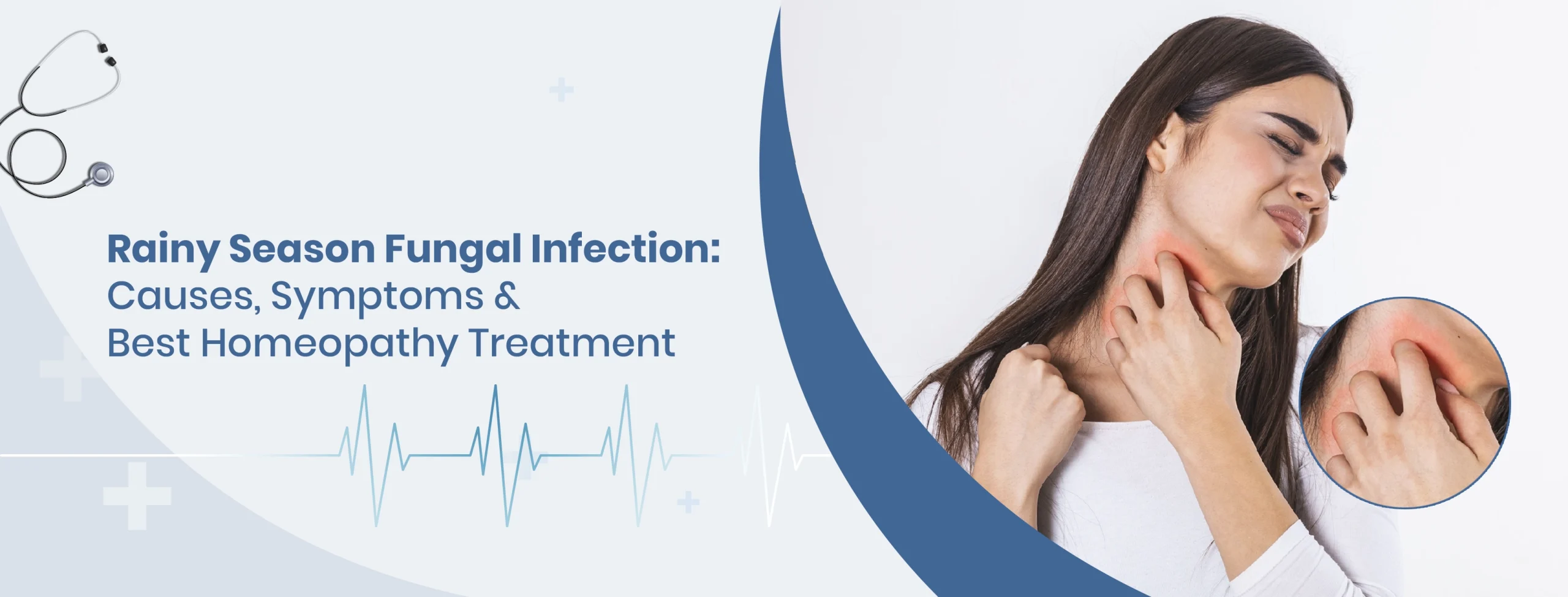
Rainy Season Fungal Infection: Causes, Symptoms & Best Homeopathy Treatment
The rainy season brings welcome relief from the heat, but it also creates the perfect environment for fungal skin infections. Constant humidity, damp clothes, sweaty skin, and prolonged moisture allow fungi to grow rapidly, making problems like ringworm, athlete’s foot, jock itch, and candidiasis far more common during the monsoon. What often begins as mild itching or a small rash can quickly spread if left untreated.
Conventional treatment with antifungal creams or oral medications remains the standard approach for treating active fungal infections. Alongside medical care, many people also explore homeopathy as a complementary approach to support overall skin health and long-term wellness, particularly if they experience recurrent fungal infections.
At Dr. Care Homeopathy, we provide personalised, gentle support based on your individual health needs, helping you understand your options while working alongside appropriate medical care. In this guide, you’ll learn why fungal infections become more common during the rainy season, how to recognise the early symptoms, practical prevention tips, and the role homeopathy may play as part of a holistic care plan.
Why Do Fungal Infections Increase During the Rainy Season?
Fungi are opportunistic organisms. They live quietly on everyone’s skin in small numbers, but multiply quickly once the environment becomes warm, damp, and low on airflow. Monsoon weather checks every one of those boxes at once.
Some of the main reasons why fungal infections spike during monsoon include:
- High humidity: Moist air keeps skin from drying properly after a bath, workout, or walk in the rain.
- Wet clothing and footwear: Damp socks, shoes, and undergarments worn for hours create a closed, sweaty microclimate.
- Skin folds and friction: Areas like the groin, underarms, and toe webs trap moisture longer than exposed skin.
- Reduced sunlight and ventilation: Overcast days and closed windows limit natural drying, which fungi rely on for control.
- Shared spaces and items: Gyms, public showers, and shared towels or footwear can pass fungal spores between people.
- Weakened skin barrier: Frequent wetting and drying of skin can make it more prone to minor cracks where fungi can settle in.
People with diabetes, obesity, excessive sweating, or a weakened immune system tend to be more susceptible during this season, since their skin either retains more moisture or has a reduced ability to resist microbial overgrowth.
Common Types of Fungal Infections During the Rainy Season
Several types of fungal infections become more common during the monsoon because warm, humid weather creates ideal conditions for fungal growth. Recognising the type of infection early can help you seek timely treatment and prevent it from spreading.
Ringworm (Tinea Corporis)
Ringworm is a common fungal skin infection caused by dermatophyte fungi, not worms. It typically appears as a circular, red, itchy rash with a raised border and a clearer centre.
Athlete’s Foot (Tinea Pedis)
Athlete’s foot affects the skin between the toes and on the soles of the feet. Common symptoms include itching, peeling, cracking, burning, and an unpleasant odour, especially after wearing damp shoes or socks.
Jock Itch (Tinea Cruris)
Jock itch is a fungal infection that affects the groin and inner thighs. It commonly causes an itchy, red rash and is more likely to occur in people who sweat excessively or wear tight, non-breathable clothing.
Candidiasis
Candidiasis is caused by an overgrowth of Candida yeast in warm, moist skin folds such as the underarms, beneath the breasts, or the groin. It usually presents as a red, irritated rash with a moist appearance.
Tinea Versicolor (Pityriasis Versicolor)
Tinea versicolor is caused by an overgrowth of Malassezia yeast, which naturally lives on the skin. It appears as lighter or darker patches on the chest, back, shoulders, or upper arms and often becomes more noticeable after sun exposure.
Early Symptoms of Fungal Infection to Watch For
Recognising a fungal infection early can help you seek the right care before it spreads. Common signs include:
- Persistent itching that worsens with sweating or heat
- Red, inflamed, or scaly patches
- A ring-shaped rash with a raised border
- Peeling, cracking, or flaking skin, especially between the toes
- A musty or unusual skin odour
- Small blisters or pus-filled bumps in more inflamed cases
- Patches of lighter or darker skin (typical of tinea versicolor)
If a rash spreads quickly, oozes, or does not improve within a week of basic hygiene care, it is time to consult a qualified doctor for an accurate diagnosis.
When Should You See a Doctor for Fungal Infection?
You should seek medical attention if you notice:
- Symptoms lasting more than 7 to 10 days despite keeping the area clean and dry
- Infection spreading to new areas of the body
- Signs of secondary bacterial infection, such as pus, swelling, or fever
- Recurrent infections that keep coming back after treatment
- Fungal infection in a person with diabetes or a compromised immune system
A doctor can confirm the diagnosis, sometimes with a simple skin scraping test, and guide you on the right course of treatment.
Standard Medical Treatment for Fungal Skin Infections
The standard treatment for fungal skin infections depends on the type, location, and severity of the infection. Common treatment options include:
- Topical antifungal creams or powders: Usually prescribed for mild or localised fungal skin infections such as ringworm, athlete’s foot, or jock itch.
- Oral antifungal medicines: Recommended for widespread, recurrent, or severe fungal infections, or when the nails or scalp are affected.
- Good skin hygiene: Keeping the affected area clean, dry, and well-ventilated supports healing and helps reduce fungal growth.
- Avoid steroid creams without medical advice: Using steroid creams alone can temporarily hide symptoms while allowing the fungal infection to spread or become more difficult to treat.
Important: Complete the full course of antifungal treatment prescribed by your doctor, even if the rash appears to improve early. Stopping treatment too soon is one of the most common reasons fungal infections return.
How Homeopathy May Help During the Monsoon
Many people choose homeopathy during the rainy season because it offers an individualised approach to skin health. Rather than focusing only on the visible rash, a qualified homeopathic doctor considers your overall health, symptom pattern, skin type, and history of recurring infections before recommending a personalised treatment plan.
Homeopathic care for recurrent fungal skin concerns may include:
-
- Individualised treatment: Every prescription is tailored to the person’s unique symptoms, medical history, and overall constitution.
- Focus on recurrent concerns: Many people seek homeopathic care for fungal infections that tend to return during every monsoon season.
- Whole-person approach: Consultations consider factors such as sweating patterns, skin sensitivity, lifestyle, hygiene habits, and general health instead of looking only at the affected area.
- Long-term skin wellness: Homeopathy is often chosen by individuals looking for a holistic approach to maintaining healthy skin during seasonal changes.
- Personalised guidance: Along with treatment, doctors may recommend practical measures related to skin care, hygiene, clothing, and lifestyle to help maintain skin health throughout the rainy season.
At Dr. Care Homeopathy, every treatment plan is individualised after a detailed consultation with a qualified homeopathic doctor. As with any skin condition, persistent, severe, or spreading fungal infections should be evaluated by a medical professional for an accurate diagnosis and appropriate care.
Prevention Tips for Fungal Infections During the Rainy Season
Most fungal infections can be prevented with a few simple daily habits. Keeping your skin clean, dry, and well-ventilated is one of the most effective ways to reduce the risk of fungal growth during the monsoon.
Prevention Tips for Monsoon Season
- Bathe daily and dry your skin thoroughly, especially in folds like the groin, underarms, and between the toes.
- Change out of wet or sweaty clothes as soon as possible.
- Choose breathable, cotton fabrics over tight, synthetic clothing during humid weather.
- Keep a separate, dry pair of socks and footwear for rainy days.
- Avoid sharing towels, combs, footwear, or personal grooming items.
- Use a mild antifungal powder in areas prone to sweating, if recommended by your doctor.
- Wash and completely dry towels, bedsheets, and gym clothes regularly.
- Avoid walking barefoot in public showers, gyms, or swimming pool areas.
- Keep your living space well ventilated to reduce indoor humidity.
- Maintain a balanced diet and stay hydrated to support your skin’s natural resilience.
Why Choose Dr. Care Homeopathy for Seasonal Skin Concerns?
At Dr. Care Homeopathy, we believe that every skin condition deserves a personalised evaluation rather than a one-size-fits-all approach. If you experience recurring fungal skin infections or seasonal skin concerns during the monsoon, our doctors focus on understanding your overall health before recommending a treatment plan.
- Individualised consultations: Every patient undergoes a detailed assessment of their symptoms, medical history, lifestyle, and overall health.
- Qualified homeopathic doctors: Your care is guided by registered homeopathic practitioners who recommend treatment based on your unique clinical picture.
- Patient-centred care: We take time to understand recurring symptom patterns and discuss appropriate supportive care options tailored to your needs.
- Complementary approach: Homeopathy is offered as part of a broader healthcare plan and does not replace medical evaluation or prescribed antifungal treatment for active fungal infections.
- Focus on education and prevention: Along with treatment guidance, our doctors provide practical advice on skin hygiene, preventive measures, and healthy lifestyle habits to help reduce seasonal skin problems.
- Coordinated healthcare: We encourage patients to continue consulting their dermatologist or physician whenever necessary and to seek timely medical care for persistent, spreading, or severe infections.
If you experience recurrent fungal skin infections during the rainy season, book a consultation with Dr. Care Homeopathy to receive personalised guidance and explore supportive care options suited to your individual health needs.
Frequently Asked Questions
Why are fungal infections more common during the rainy season?
Fungal infections increase during the monsoon because humidity, sweat, and damp clothing create warm, moist conditions that encourage fungal growth. Keeping the skin clean and dry can help reduce the risk of infection.
What are the most common fungal infections during the monsoon?
Ringworm, athlete’s foot, jock itch, candidiasis, and tinea versicolor are among the most common fungal infections seen during the rainy season. These infections usually affect warm, sweaty areas of the body.
How long does it take for a fungal skin infection to heal?
Most mild fungal skin infections improve within a few weeks with appropriate treatment and good skin hygiene. Recovery time depends on the type, severity, and how consistently treatment is followed.
Can homeopathy be used for recurrent fungal infections?
Many people explore homeopathy for recurring fungal skin concerns as part of an individualised treatment approach. A qualified homeopathic doctor can recommend a personalised care plan based on your symptoms and overall health.
Can I use homeopathy along with antifungal treatment?
Many people choose homeopathy alongside conventional medical treatment for fungal infections. Always consult your healthcare providers so your treatment plan is appropriate for your individual condition.
How can I prevent fungal infections during the rainy season?
Keeping your skin dry, wearing breathable cotton clothing, changing out of wet clothes promptly, maintaining good hygiene, and avoiding sharing personal items can help reduce the risk of fungal infections.
Is a fungal infection contagious?
Yes. Many fungal skin infections can spread through direct skin contact or by sharing towels, clothing, footwear, or bedding. Maintaining good personal hygiene and avoiding shared personal items can help reduce the risk of transmission.
Can fungal infections come back after treatment?
Yes. Fungal infections may recur if treatment is stopped too early, hygiene measures are not maintained, or underlying risk factors such as excessive sweating or diabetes are not addressed.
Can homeopathy be considered for recurrent fungal infections?
Some people choose homeopathy as part of their long-term skin care approach, especially for recurring seasonal skin concerns. A qualified homeopathic doctor can recommend an individualized treatment plan based on your symptoms, skin history, and overall health.
aaCan children develop fungal infections during the rainy season?
Yes. Children can develop fungal infections, particularly if they spend long hours in damp clothes or shoes. Early medical evaluation and proper hygiene can help prevent the infection from spreading.