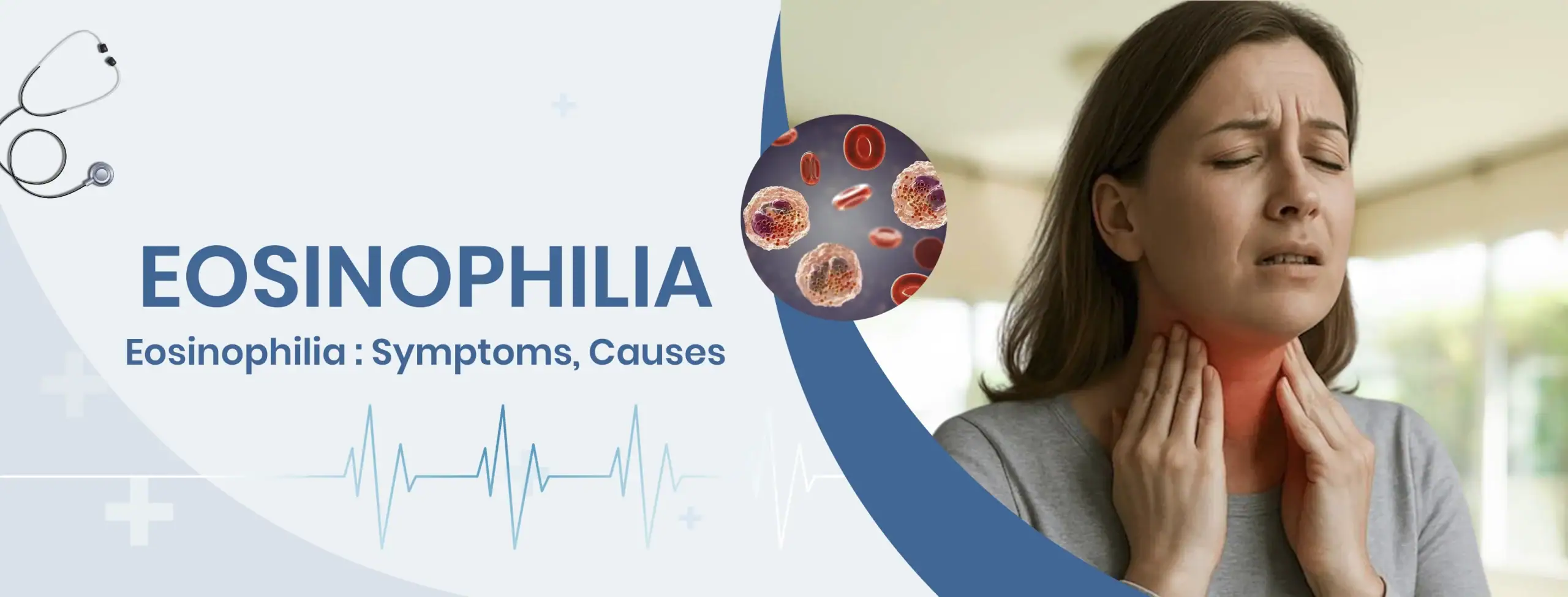
Learning that your eosinophil count is high can be confusing and worrying. Although the word eosinophilia sounds complicated, it just means you have more eosinophils in your blood than usual.
Eosinophils are white blood cells that help your immune system. Eosinophilia isn’t a disease by itself, but it usually shows that something else is happening in your body, like an allergy, infection, or inflammation. Most of the time, it can be managed well once the cause is found.
In this blog, we’ll explain what eosinophilia is, its symptoms, causes, diagnosis, and treatment options. We’ll also look at how homeopathy can support conventional care by helping manage symptoms and improve overall health.
What is Eosinophilia?
Eosinophilia means having an unusually high number of eosinophils in your blood. These white blood cells help fight infections, especially parasitic infections, and play a big role in allergic reactions.
A normal eosinophil count usually ranges from 0 to 500 cells per microliter of blood. Counts
1998 above this range are called eosinophilia.
This increase can result from many causes, so identifying the exact cause is important for proper treatment.
Types of Eosinophilia
Eosinophilia is usually divided into three levels depending on how high the eosinophil count is.
- Mild: A small increase in eosinophils, often without any symptoms.
- Moderate: Higher eosinophil levels that might start causing symptoms.
- Severe: Very high levels requiring prompt medical care and detailed checks.
It may also be categorised as:
- Primary (idiopathic): No clear cause identified
- Secondary: Caused by an underlying condition
What are the symptoms of eosinophilia?
Symptoms of eosinophilia can vary a lot depending on the cause. Many mild cases don’t show any symptoms and are found by chance during regular blood tests.
Common symptoms of eosinophilia include:
- Persistent fatigue or weakness.
- Low-grade fever.
- Skin rashes or itching.
- Shortness of breath.
- Wheezing or cough (especially in allergy-related cases).
- Abdominal pain or digestive discomfort.
- Swelling or inflammation in certain areas.
When There Are No Symptoms
Some people with eosinophilia don’t have any visible symptoms. This is especially true in mild cases, where the higher count is found only through lab tests, not from symptoms.
What causes eosinophilia?
Eosinophilia usually happens because of another condition that overstimulates the immune system. Finding the exact cause is key to diagnosing and treating it properly.
Common causes of eosinophilia include:
Allergic conditions:
Eosinophilia often occurs with allergies such as asthma, hay fever, and eczema. These conditions trigger the immune system, leading to elevated eosinophil levels.
Parasitic infections:
Intestinal parasitic infections rank among the most recognised causes of eosinophilia, particularly in regions with higher parasite exposure.
Drug reactions:
Some medicines can cause eosinophil levels to rise due to allergic or sensitivity reactions.
Autoimmune disorders:
Certain autoimmune disorders can cause eosinophilia by sustaining chronic inflammation throughout the body.
Respiratory conditions:
Chronic lung diseases and airway inflammation can also cause eosinophil levels to stay high.
Certain cancers (rare):
In rare cases, eosinophilia may be associated with blood cancers or bone marrow problems, which require careful evaluation.
Everyday triggers of eosinophilia
- Exposure to allergens: Regular contact with dust, pollen, or pet dander can trigger allergic reactions that raise eosinophil levels.
- Seasonal changes: Shifts in weather conditions, particularly during high-pollen seasons, can exacerbate eosinophilia associated with allergies.
- Food sensitivities: Certain foods can trigger immune reactions in some people, leading to elevated eosinophil levels.
How is eosinophilia diagnosed?
Doctors diagnose eosinophilia with blood tests that count eosinophils. The first test is usually a Complete Blood Count (CBC) to see if levels are above normal.
But diagnosis doesn’t stop at finding high levels. Doctors also look for the cause to create the right treatment plan.
Key tests used to diagnose eosinophilia include:
- Absolute Eosinophil Count (AEC): This test counts the exact number of eosinophils in the blood and is the best way to confirm eosinophilia and see how severe it is.
- Blood tests: Additional blood tests may check for infections, allergies, or inflammation that could cause elevated eosinophil levels.
- Stool tests: These are often performed to detect intestinal parasites, a common cause of eosinophilia, especially in certain groups of people.
- Imaging and other tests: If symptoms suggest organs may be affected, doctors may use X-rays or CT scans to evaluate organs such as the lungs or digestive system.
After confirming eosinophilia, doctors focus on finding the cause. This usually means reviewing your medical history, symptoms, medications, and any exposure to allergens or infections.
Is eosinophilia dangerous?
Eosinophilia itself isn’t usually dangerous. Often, especially when mild and temporary, it doesn’t cause serious problems and resolves once the underlying cause is treated.
However, eosinophilia can be a concern if eosinophils remain elevated for an extended period. Long-term high levels can lead to chronic inflammation that may harm several organs.
Possible problems from long-term eosinophilia
- Lungs: High eosinophil levels can cause breathing problems, a long-lasting cough, or worsen asthma.
- Skin: Chronic eosinophilia may present as rashes, itching, or other skin inflammation.
- Heart: In rare, severe cases, long-term eosinophilia can harm the heart due to inflammation and damage.
- Digestive system: Eosinophilia can cause belly pain, ongoing discomfort, or other digestive issues.
When Should You Be Concerned?
You should see a doctor if eosinophilia is:
- Consistently high in blood tests
- Linked to ongoing symptoms
- Unexplained or getting worse over time
How is eosinophilia treated?
Treating eosinophilia focuses on identifying and addressing the underlying cause rather than just lowering eosinophil levels. Since eosinophilia often results from allergies, infections, or inflammation, good care starts with a clear diagnosis and a plan tailored to you.
Usually, eosinophil levels return to normal after the cause is treated. Doctors may suggest regular blood tests to monitor progress. Combining medical care, lifestyle changes, and avoiding triggers helps manage symptoms and lowers the chance of it coming back.
The role of homeopathy in eosinophilia
Homeopathy is increasingly sought by patients who prefer a holistic and individualised approach to managing chronic or recurrent conditions. It is important to note that a medical professional should properly evaluate eosinophilia. Homeopathy, in this context, is best viewed as a supportive complement to conventional treatment rather than a standalone solution.
How Homeopathy May Support Patients
Homeopathic care focuses on:
- Understanding each person’s unique symptoms
- Finding possible triggers like allergies or sensitivities
- Supporting overall immune balance through holistic care
- Helping with related symptoms such as skin irritation, breathing problems, or digestive troubles
How homeopathy may support people with eosinophilia
For those with eosinophilia, especially if symptoms keep coming back or are linked to allergies, homeopathy can offer a supportive and personalised approach. It looks beyond test results to consider the whole person, including physical, emotional, and environmental factors.
A homoeopathic visit usually includes a detailed review of your symptoms, triggers, and overall health. This helps identify factors such as allergies, sensitivities, and lifestyle habits that may be causing elevated eosinophil levels.
Based on holistic care, homeopathy aims to balance the immune system and boost the body’s natural response to triggers. It can also help ease symptoms such as skin irritation, breathing issues, and digestive problems, thereby improving overall quality of life.
Homoeopathy should always be used alongside proper medical care, especially in moderate-to-severe cases, to ensure treatment is safe and complete.
Why do some people choose homeopathy?
People try homeopathy for many reasons, often seeking a more personal approach to healing and maintaining long-term health.
- Recurrent allergy-related eosinophilia: Those who have repeated episodes linked to allergies often look for support that focuses on managing symptoms over the long term, not just quick fixes.
- Preference for a personalised approach: Many people like homeopathy because it creates treatment plans tailored to their unique symptoms, health history, and overall makeup.
- Interest in long-term wellness: Some patients want holistic care that goes beyond quick symptom relief to build lasting health and strengthen the body’s natural resilience.
Personalised treatment in homeopathy
Unlike standard treatments, homeopathy doesn’t use a one-size-fits-all approach. A skilled homeopath looks at many aspects of your health before suggesting a treatment plan:
- Physical symptoms: The type, severity, frequency, and pattern of symptoms are closely studied to understand your condition.
- Medical history: Past illnesses, current health issues, and how you responded to earlier treatments are all considered.
- Lifestyle factors: Your daily habits, diet, stress, and environment are considered because they can affect treatment.
- Triggers and patterns: Knowing what makes symptoms better or worse helps create a personalised care plan.
Homeopathy support for eosinophilia at Dr Care Homeopathy
At Dr Care Homeopathy, we offer safe, gentle, and holistic care for people with eosinophilia, especially when it is linked to allergies, sensitivities, or ongoing inflammation. We focus on understanding the root causes behind high eosinophil levels and related symptoms. Eosinophilia shows up differently in each person. Some have breathing issues, such as wheezing or coughing, while others experience skin irritation, stomach discomfort, or tiredness. Knowing this, we create fully personalised treatment plans based on:
- Your unique symptoms
- Your lifestyle and daily habits
- Your overall health history
- Allergy triggers and sensitivities you have
- Your sleep and stress levels
- Related symptoms like skin, breathing, or digestive issues
Our goal is to support your overall health, help manage symptoms, and improve your quality of life. In addition to personalised care, we guide patients on lifestyle changes and ways to avoid triggers, which are important for reducing the risk of eosinophilia returning.
Homeopathic care is gentle and personalised, making it a good support for those seeking a gradual, holistic approach to healing. It works well alongside regular medical care, especially when ongoing monitoring of eosinophil levels and causes is needed.
With over 22 years of experience, Dr. Care Homeopathy has earned the trust of patients across the country by focusing on personalised, patient-centred care. Our experienced homeopathic doctors are committed to long-term wellness, helping people manage chronic and recurring conditions with a balanced, evidence-based approach.
How to manage and prevent eosinophilia
Although you can’t prevent all cases of eosinophilia, these steps can help lower your risk:
- Identify and avoid allergens such as dust, pollen, mould, and other triggers that affect you.
- Maintain good personal and food hygiene to reduce the risk of parasitic infections.
- Eat a balanced, nutritious diet to support your immune system.
- Schedule regular health check-ups to detect abnormalities early.
- Follow your treatment plan and keep all follow-up appointments.
Key takeaway
Eosinophilia means having too many eosinophils in the blood and usually points to another condition rather than being a disease itself. It’s often related to allergies, infections, or drug reactions. Many people have mild or no symptoms at first. Getting the right diagnosis is important for identifying the cause and choosing the best treatment.
Managing eosinophilia involves treating the underlying cause and supporting your overall health. Along with regular medical care, homoeopathy can be a helpful, personalised option for managing symptoms and promoting long-term wellness. If you have ongoing symptoms or a diagnosis of eosinophilia, we invite you to visit Dr Care Homeopathy for a thorough, personalised, and holistic evaluation.
Mild eosinophilia usually isn’t serious, but if it’s persistent or severe, you should see a doctor promptly.
FAQ
What is eosinophilia?
Eosinophilia is a condition where the eosinophil count in blood increases above normal levels, often due to allergies, infections, or inflammation.
Can homeopathy treat eosinophilia?
Yes. Homeopathy helps manage eosinophilia by addressing immune imbalance and underlying triggers such as allergies and sensitivities.
What are symptoms of eosinophilia?
Common symptoms include fatigue, skin rashes, wheezing, cough, abdominal discomfort, and inflammation.
Is eosinophilia dangerous?
Mild eosinophilia is usually not serious, but long-term high levels may affect lungs, skin, or heart.
What causes eosinophilia?
Causes include allergies, parasitic infections, drug reactions, autoimmune diseases, and respiratory conditions.
How is eosinophilia diagnosed?
Doctors use CBC tests and Absolute Eosinophil Count (AEC) to confirm the condition.
Best homeopathic medicines for eosinophilia?
Common remedies include Arsenicum Album, Sulphur, Natrum Mur, Apis Mellifica, and Pulsatilla (doctor prescribed).
Can eosinophilia be prevented?
Yes, by avoiding allergens, maintaining hygiene, and regular health check-ups.
Is homeopathy safe?
Yes, homeopathy is safe and can be used alongside conventional treatment.
Why choose Dr Care Homeopathy?
Dr Care offers personalised treatment, 53+ clinics, and experienced doctors for holistic care.