
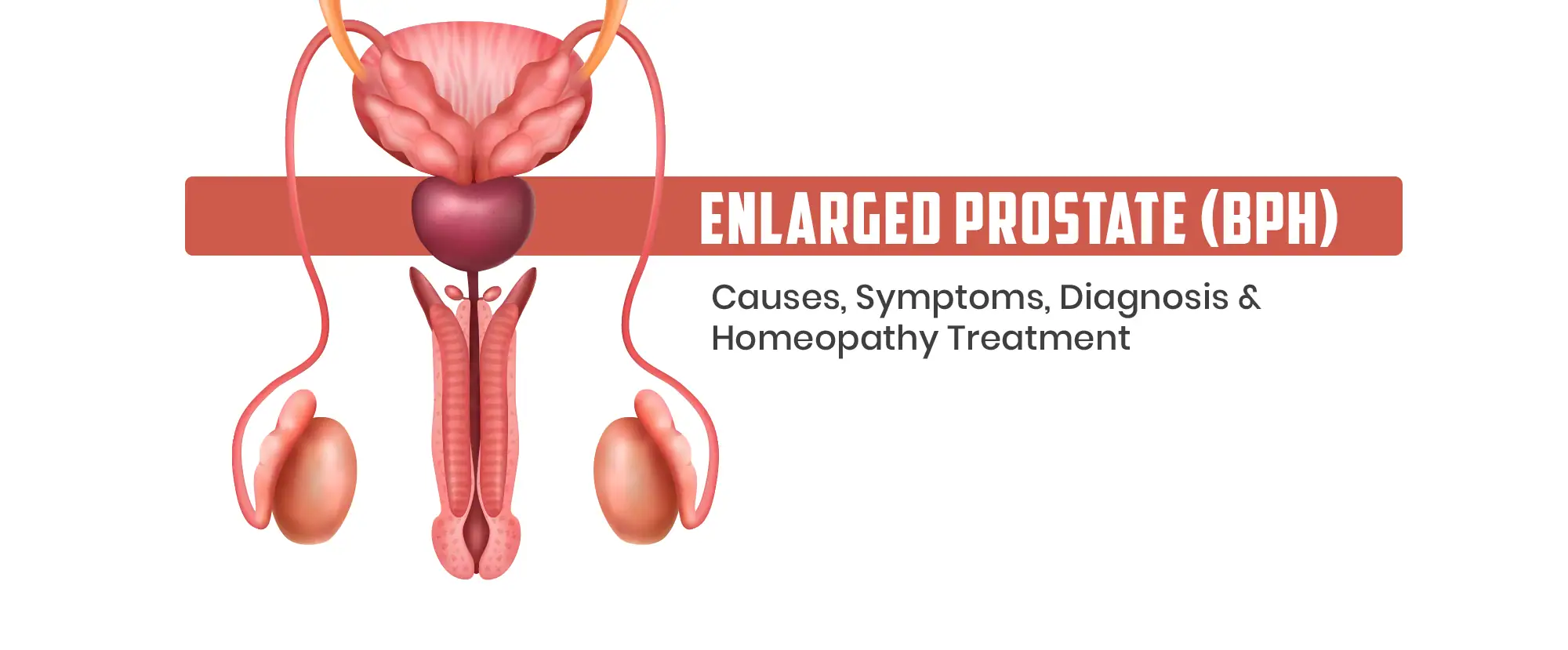
An enlarged prostate, or Benign Prostatic Hyperplasia (BPH), is a non-cancerous increase in prostate size that commonly affects men as they age. It causes urinary symptoms ranging from a weak stream to frequent nighttime urges. With the right medical evaluation and personalised care — including support from a qualified homeopathic doctor near me — most men manage these symptoms effectively.
What Is the Prostate — and Why Does It Matter?
The prostate is a small, walnut-shaped gland in men that sits just below the bladder. It wraps around the urethra — the tube that carries urine out of the body — which is exactly why any changes to its size have a direct impact on urinary function.
Its primary role is to produce a fluid that forms part of semen, helping to nourish and transport sperm during ejaculation. When the prostate works as it should, you barely notice it. When it doesn’t, the effects on daily life can be significant.
Because the prostate surrounds the urethra, even a modest increase in its size can compress the urinary channel and lead to noticeable symptoms — from a slow stream to frequent nighttime urges.
What Is an Enlarged Prostate (BPH)?
Benign Prostatic Hyperplasia, or BPH, is the medical term for a non-cancerous enlargement of the prostate gland. “Benign” confirms it isn’t cancer; “hyperplasia” describes what’s actually happening — an increase in the number of prostate cells over time.
Not cancer
BPH is entirely benign and does not raise your cancer risk. Being diagnosed with BPH does not mean cancer is present or likely.
Very common
BPH affects the majority of men over 50 and is considered a normal part of male ageing.
Manageable
With appropriate care, most men live comfortably — with or without treatment depending on symptom severity.
Impacts quality of life
Sleep disruption from nighttime urination (nocturia) and daily urinary discomfort are the most frequently reported concerns.
What Causes an Enlarged Prostate?
Researchers haven’t pinpointed a single cause, but a combination of age-related and lifestyle factors is thought to drive prostate growth in most men.
HORMONAL CHANGES
As men age, shifting levels of testosterone and dihydrotestosterone (DHT) appear to stimulate prostate cell growth.
CELLULAR PROLIFERATION
The gradual, continued multiplication of prostate cells over decades leads to slow but progressive enlargement of the gland.
GENETIC FACTORS
Men with a close family history of BPH or prostate problems tend to have a higher personal risk of developing the condition.
LIFESTYLE & HEALTH CONDITIONS
Obesity, type 2 diabetes, heart disease, and a sedentary lifestyle are all associated with a greater likelihood of BPH.
The encouraging news? Staying physically active, eating well, and keeping chronic conditions under control can all positively influence prostate health over time.
Signs and Symptoms of an Enlarged Prostate
Because the prostate encircles the urethra, an enlarging gland gradually squeezes the urinary channel. Symptoms typically build slowly, and many men don’t realise how much their urinary habits have changed until they’re directly asked.
Urinary symptoms you might notice day-to-day:
• Frequent urge to urinate throughout the day
• Difficulty getting the stream started (hesitancy)
• Weak or intermittent urine flow
• Dribbling at the end of urination
• Sudden, urgent need to go — hard to delay
• Feeling that the bladder hasn’t fully emptied
• Waking multiple times at night to urinate (nocturia)
• Interrupted or stop-start urine flow
Symptoms:
If you experience blood in the urine, pain during urination, recurrent urinary tract infections, or a sudden complete inability to urinate, seek medical care immediately. These can indicate complications requiring urgent evaluation.
When Should You See a Doctor?
Don’t wait until symptoms become unbearable. Early diagnosis allows for a wider range of treatment options and helps prevent long-term complications. Book an appointment if you regularly experience any of the following:
• A weak or slow urine stream that isn’t improving
• Waking two or more times a night to use the bathroom
• Straining to start urination
• A persistent sensation that your bladder isn’t fully empty
If you’re uncertain where to start, searching for a homeopathy doctor near me or a specialist in integrative urology can be a helpful first step for men seeking a holistic assessment alongside conventional advice.
How Is an Enlarged Prostate Diagnosed?
Diagnosing BPH involves a combination of symptom evaluation, physical examination, and targeted tests. Here’s what a typical assessment looks like:
Medical History & Symptom QuestionnaireYour doctor will ask detailed questions about your urinary patterns and use a standardised scoring tool to gauge symptom severity and its impact on daily life.
Digital Rectal Exam (DRE)
A gloved examination allows the doctor to physically assess prostate size and texture — one of the most direct ways to evaluate the gland.
PSA Blood Test
The Prostate-Specific Antigen (PSA) test measures a protein produced by the prostate. Elevated levels may indicate enlargement, infection, or other conditions — though they don’t confirm cancer on their own.
Urine Tests & Urinalysis
Used to rule out infection and assess kidney function, which can be affected in advanced or untreated BPH.
Imaging & Functional Tests
An ultrasound, urine flow rate test, or post-void residual measurement gives a clearer picture of how well the bladder is functioning. In some cases, a cystoscopy may be needed to examine the urinary tract directly.
Enlarged Prostate Treatment Options
There’s no one-size-fits-all solution for BPH. The right treatment depends on the severity of your symptoms, the size of the prostate, your age, and how much the condition is affecting your daily life.
Options range from watchful waiting for mild cases, to medications, and — when necessary — surgical procedures for more significant urinary obstruction. Many men benefit from combining conventional medical treatment with complementary approaches as part of a broader, integrative care plan.
Many patients searching for the best homeopathy clinic near me or a homeopathic clinic near me find that integrating personalised homeopathic care alongside regular medical review offers the most comprehensive approach to managing BPH symptoms.
Homeopathy treatment for Enlarged Prostate
Homeopathy is a holistic system of medicine that focuses on treating the whole person, not just the presenting condition. For men with BPH, this means going beyond the prostate and examining sleep quality, stress levels, constitution, and overall well-being — all of which influence how the body manages chronic conditions.
What a homeopathic assessment typically covers:
• Urinary symptoms — frequency, urgency, stream strength, incomplete emptying
• Sleep disruption caused by nocturia and its effect on daily functioning
• Overall constitution, health history, and any concurrent conditions
• Emotional well-being, stress patterns, and mental health
• Lifestyle, diet, exercise habits, and daily routine
This personalised approach makes homeopathic care a meaningful complement to conventional treatment — particularly for men who prefer a non-invasive option or want ongoing support between medical reviews.
If you’re looking for the best homeopathy clinic near me for prostate health, choose a clinic with documented clinical experience and a patient-centred philosophy. Look for a homeopathy hospital near me or a homeo clinic near me that integrates thorough case evaluation with lifestyle guidance.
Dr. Care Homeopathy : Personalised BPH Care
At Dr. Care Homeopathy, we understand that no two men experience an enlarged prostate in exactly the same way. One patient may struggle primarily with nighttime urination; another may find that a weak stream is his main concern. Our approach is built around those individual differences.
With over 22 years of clinical experience, our team of qualified homeopathic doctors develops personalised care plans based on your specific urinary symptom pattern, sleep habits, stress levels, overall health history, and lifestyle. Patients across India who have searched for a best homeopathy doctor near me or a homeopathic doctor near me for prostate concerns have found in Dr. Care a trusted partner for long-term wellness.
WHY CHOOSE DR. CARE HOMEOPATHY?
Non-invasive • Individualised treatment • Integrative approach • 22+ years experience • Patient-centred care • Lifestyle guidance included
Complications of Untreated BPH
Mild BPH that’s monitored carefully may not lead to complications. But when symptoms progress without intervention, the consequences can be serious:
• Acute urinary retention — sudden inability to urinate
• Recurrent urinary tract infections
• Bladder stones
• Bladder muscle damage from chronic straining
• Kidney damage from prolonged back pressure
Consulting a doctor — whether a urologist, GP, or a homeopathy near me specialist working within an integrative team — early in the process makes all the difference in long-term outcomes.
Supporting Prostate Health Naturally
Your daily habits have more influence on prostate health than most men realise. These aren’t quick fixes — they’re the foundation of long-term well-being:
• Eat well — focus on vegetables, whole grains, and lean protein; limit processed foods
• Stay active — regular moderate exercise, even brisk walking, can improve urinary function
• Manage weight — obesity is directly linked to BPH progression
• Control diabetes — stable blood sugar levels are associated with lower rates of BPH
• Schedule regular check-ups — annual reviews allow early detection of any changes
What is benign prostatic hyperplasia (BPH)?
Benign prostatic hyperplasia (BPH) is a non-cancerous enlargement of the prostate gland. The word ‘benign’ means it is not cancer, and ‘hyperplasia’ refers to an increase in the number of prostate cells. It is one of the most common conditions affecting men over 50 and can cause urinary symptoms such as a weak stream, frequent urination, and difficulty starting to urinate
Is an enlarged prostate the same as prostate cancer?
No. An enlarged prostate (BPH) is a benign, non-cancerous condition. It does not increase the risk of prostate cancer and is caused by natural prostate cell growth that occurs with ageing. Prostate cancer is a separate condition with different causes, symptoms, and treatments. A PSA test and medical examination can help distinguish between the two.
What are the first signs of an enlarged prostate?
The earliest signs of an enlarged prostate typically include a slightly weaker urine stream, taking longer to start urinating, needing to urinate more frequently (especially at night), and a feeling that the bladder hasn’t fully emptied. These symptoms develop gradually and are easy to overlook in the early stages..
Can homeopathy treat enlarged prostate without surgery?
Homeopathy is a non-invasive, non-surgical approach that many men choose to manage BPH symptoms. Clinical studies conducted by India’s Central Council for Research in Homeopathy (CCRH) found statistically significant improvement in urinary symptoms and a measurable reduction in prostate volume. Homeopathy works best as part of an integrative care plan alongside regular medical review.
At what age does prostate enlargement start?
Prostate enlargement can begin as early as the mid-40s, though symptomatic BPH is most common in men over 50. The risk increases with age: roughly 50% of men in their 50s, 70% in their 60s, and over 80% of men in their 70s and 80s experience some degree of prostate enlargement
What happens if an enlarged prostate is left untreated?
Untreated BPH can lead to serious complications including acute urinary retention (inability to urinate), recurrent urinary tract infections, bladder stones, bladder muscle damage from chronic straining, and kidney damage from prolonged urine back-pressure. Early consultation with a doctor significantly reduces the risk of these complications.
Can diet and lifestyle changes help with an enlarged prostate?
Yes. Regular physical activity, maintaining a healthy weight, reducing alcohol and caffeine intake, managing blood sugar (diabetes), and eating a diet rich in vegetables and whole grains can all help reduce BPH symptom severity.
How do I find a homeopathy doctor near me for prostate problems?
Search for a registered homeopathic doctor with clinical experience in men’s health or chronic conditions. Verify their qualifications, check patient reviews, and confirm they encourage conventional medical evaluation alongside homeopathic care. Dr. Care Homeopathy -Best homeopathy Clinic offers consultations across India and online for patients seeking personalised homeopathic management of BPH
What foods should men with an enlarged prostate avoid?
Men with BPH are generally advised to reduce or avoid: caffeine (coffee, tea, energy drinks), alcohol, spicy and heavily processed foods, and red meat in excess. These can irritate the bladder and worsen urinary symptoms. Increasing vegetables, whole grains, and water intake supports both bladder and prostate health.
Why do homeopaths not disclose the names of the medicines they prescribe?
The medicine’s name is not disclosed for the patient’s benefit. When a patient knows the name of a medication and begins taking it based on personal preferences, the disease picture will be distorted, making the patient’s future medical care much more challenging. Additionally, specific medications must be altered and administered based on the disease and the patient’s progress.
The homeopaths give the patient’s case copy file upon request, but only once therapy is complete and the patient is fully healed.
Is there clinical evidence that homeopathy works for BPH?
Yes. A multi-centric prospective observational study conducted by India’s Central Council for Research in Homeopathy (CCRH), involving 187 BPH patients across 5 institutes, found a statistically significant reduction in urinary symptom scores (median improvement of 13 points, p=0.0001) and a mean reduction of 2.3ml in prostate volume after 12 months of homoeopathic treatment. Individualised medicines including Thuja, Pulsatilla, Sulphur, and Lycopodium were used.