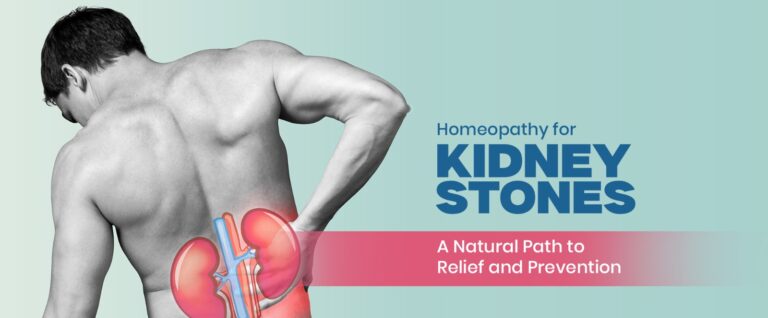
Dealing with the sharp, stabbing pain of a kidney stone (renal calculi) can be an overwhelming experience. While many believe that surgery or invasive procedures are the only options, more people are turning to homeopathy for kidney stones as a gentle, non-invasive, and long-term solution.
What Are Kidney Stones?
Kidney stones are hard deposits of minerals and salts that form inside your kidneys, often causing excruciating pain as they move through the urinary tract. While conventional treatments focus on immediate removal, homeopathy addresses the root cause of stone formation. By balancing the body’s internal chemistry, homeopathic treatment helps dissolve existing stones naturally and prevents the formation of new ones.
At Dr. Care Homeopathy, we specialize in providing personalized, evidence-based care that supports kidney health and ensures a pain-free life without the need for harsh chemicals.
Homeopathy for kidney stones offers gentle and natural healing. Homeopathy addresses the root cause of kidney stones, providing a long-term solution. Homeopathy supports the kidneys naturally, improves urine flow, and helps prevent recurrence. With personalised treatment and lifestyle guidance, homeopathy can be an effective option for both prevention and long-term management of kidney stones.
Let’s learn more about kidney stones and understand how homeopathy can help manage them safely and naturally.
Kidney stones may remain in the kidneys or move into the urinary tract. Smaller stones can pass naturally through urine without causing major discomfort. Larger stones may get stuck and lead to severe pain, infection, or blockage of urine flow.
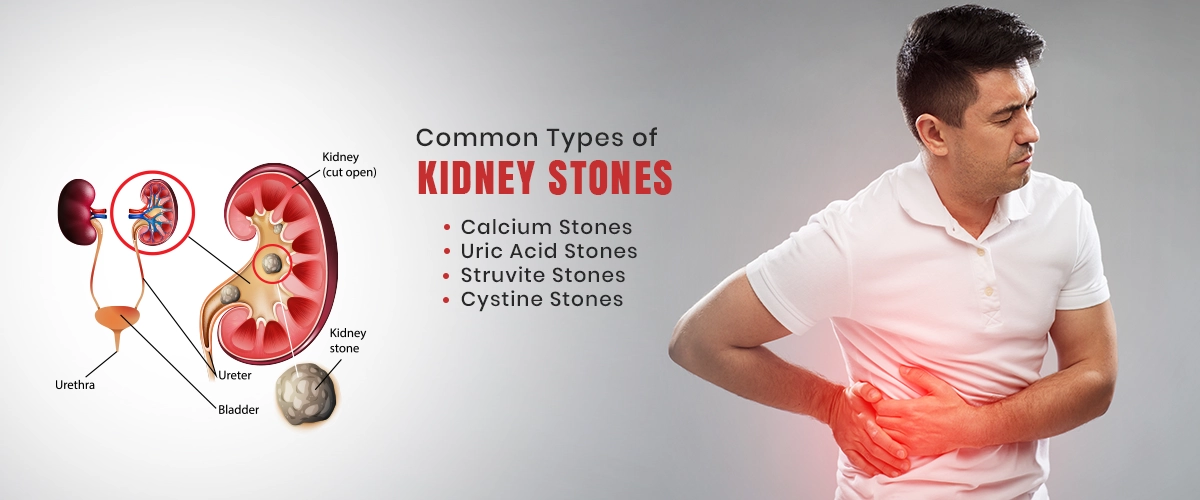
Common Types of Kidney Stones
Kidney stones are classified based on the substances that form them. Knowing the type of stone helps in planning treatment and prevention.
- Calcium Stones: These are the most commonly occurring type of kidney stones. They are usually made of calcium oxalate or calcium phosphate.
- Uric Acid Stones: These stones form when urine is too acidic. They are often linked to dehydration, gout, or high protein intake.
- Struvite Stones: These stones are associated with urinary tract infections. They can grow quickly and become quite large.
- Cystine Stones: These are rare stones caused by a genetic disorder that leads to excessive cystine in urine.
Causes and Risk Factors of Kidney Stones
Kidney stones develop due to a mix of dietary, lifestyle, and medical factors. Some people are more prone to stones than others.
Common causes and risk factors include:
- Low water intake leading to concentrated urine
- Excessive salt consumption
- High intake of animal protein
- Family history of kidney stones
- Recurrent urinary tract infections
- Obesity or a sedentary lifestyle
- Certain metabolic or digestive disorders
- Long-term use of certain medications
Signs and Symptoms of Kidney Stones
Symptoms depend on the size, type, and region of the stone. Small stones may not cause any symptoms at all. Larger stones often cause sudden and severe discomfort.
Common symptoms include:
- Sharp pain in the lower back or side
- Pain that radiates to the abdomen or groin
- Pain that comes in waves and changes in its intensity
- Pain while passing urine
- Burning sensation during urination
- Blood in urine
- Frequent urge to urinate
- Nausea or vomiting
- Fever and chills if infection is present
- Cloudy or foul-smelling urine
When to Seek Immediate Medical Attention
Seek immediate medical help if you experience:
- Severe, unbearable pain
- Fever or chills with urinary symptoms
- Persistent vomiting
- Blood in urine with worsening pain
- Complete blockage of urine flow
Diagnosis of kidney stones
Kidney stone diagnosis involves your doctor performing certain tests. These diagnostic tests for kidney stones include:
- Physical Examination: Your doctor will begin with a basic physical check and ask about your symptoms. This helps decide which tests are needed.
- Blood Tests: Blood tests check calcium and uric acid levels in your body. They also help assess kidney health and identify related problems.
- Urine Testing (24-Hour Urine Test): You may be asked to collect urine for 24 hours. This test shows if your body produces too many stone-forming minerals or too few protective substances.
- Imaging Tests: CT scans can clearly detect kidney stones in the urinary tract, including very small ones. X-rays are used less often as they may miss tiny stones.
- Ultrasound: An ultrasound uses sound waves to detect kidney stones. It is a safe option and does not involve radiation.
- Analysis of Passed Stones: You may be asked to collect passed stones using a strainer. Lab testing helps identify the stone type and its cause.
- Genetic Testing: In rare cases, genetic tests are done to check inherited conditions. These conditions can increase the risk of certain kidney stones.
Conventional Treatment Options and Their Limitations
If a kidney stone is smaller in size, there is a possibility that it will pass through the urine on its own. In such cases, the healthcare provider will conduct close monitoring. Conventional treatment focuses on relieving pain and removing stones when necessary. This approach is effective during acute episodes but may not prevent future stones.
Common conventional treatments include:
- Painkillers and antispasmodic medications
- Increased fluid intake to help pass stones
- Shock wave lithotripsy to break stones
- Surgical removal for large or complicated stones
How Homeopathy Helps in Kidney Stone Management
Homeopathy offers a holistic approach to kidney stone management. It focuses on correcting internal imbalances that lead to stone formation.
Homeopathic treatment aims to:
- Support the natural dissolution of stones
- Ease pain and spasms during stone passage
- Improve kidney and urinary function
- Reduce inflammation and irritation
- Prevent recurrence in the long term
Commonly Used Homeopathic Medicines for Kidney Stones
Homeopathic medicines are prescribed only after a detailed evaluation by a qualified practitioner. Self-medication should be avoided. Some commonly used remedies include:
- Berberis Vulgaris: This effective homeopathic medicine is widely used for sharp, cramping pain in the back and kidney area that may spread to the abdomen. It is a trusted kidney stone remedy that helps reduce stone size and ease pain during passage.
- Cantharis: This is an effective homeopathic remedy for burning urination and blood in urine caused by kidney stones. It helps reduce inflammation, restores urine balance, and prevents new stone formation.
- Lycopodium: This kidney stone remedy is useful for right-sided kidney stone pain with bloating or digestive discomfort. It is an effective homeopathic medicine that helps shrink stones and supports easier expulsion.
- Sarsaparilla: This is another effective homeopathic remedy for sharp, spasmodic pain during urination, especially in the bladder or urethra. It helps promote the smooth passage of stones while reducing pain.
- Magnesia Phosphorica: This effective homeopathic medicine is helpful for cramping and spasmodic kidney pain, especially in the lower back. It works as a gentle kidney stone remedy to relieve pain and support stone dissolution.
- Pennyroyal: This is a homeopathic remedy that increases urine flow and helps flush kidney stones naturally. It supports quicker stone passage with minimal discomfort.
- Ocimum Canum: This kidney stone remedy helps relieve symptoms like nausea, vomiting, and dizziness linked to kidney stones. It is an effective homeopathic medicine for overall symptom control during stone episodes.
Homeopathy Treatment for Kidney Stones at Dr. Care Homeopathy
At Dr. Care Homeopathy, we provide safe, natural, and holistic treatment for kidney stones. Our approach focuses on identifying and treating the root cause of stone formation rather than offering temporary relief. Factors such as diet, lifestyle, hydration levels, metabolic imbalance, and recurrent urinary infections are carefully evaluated before starting treatment.
Our homeopathic remedies help reduce the size of kidney stones, relieve pain, and support their smooth and natural passage through the urinary tract. They also help manage associated symptoms like burning during urination, frequent urges, urinary infections, inflammation, and discomfort. The treatment is gentle, non-invasive, and suitable for long-term use, making it ideal for patients seeking a natural solution without harsh side effects.
With over 25+ years of experience, Dr. Care Homeopathy is trusted across the country for effective and personalised kidney stone care. Our team of experienced homeopathic doctors, supported by evidence-based healing methods, has helped over 44 lakh patients improve kidney health and achieve better overall well-being.
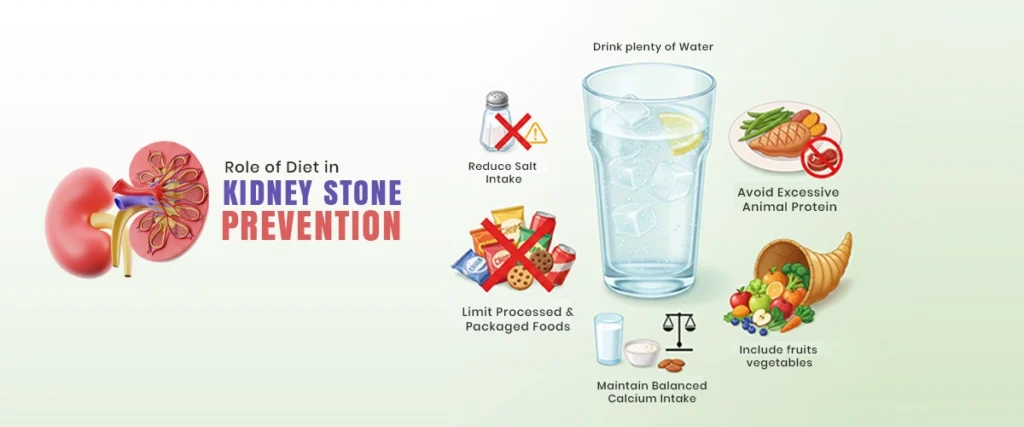
Role of Diet in Kidney Stone Prevention
Diet plays a crucial role in preventing kidney stones by reducing mineral buildup and supporting healthy kidney function.
Dietary recommendations include:
- Drink plenty of water: Staying well-hydrated helps dilute urine and prevents minerals from forming stones.
- Reduce salt intake: Excess salt increases calcium levels in urine, increasing the chances of stone formation.
- Limit processed and packaged foods: These foods are high in sodium and additives that strain kidney function.
- Avoid excessive animal protein: Too much meat can increase uric acid and calcium levels in urine.
- Include fruits and vegetables: Antioxidant-rich produce supports kidney health and reduces inflammation.
- Maintain balanced calcium intake: Adequate dietary calcium helps bind oxalates and prevents stone formation
Importance of Hydration
Adequate hydration is essential for kidney health. Water helps dilute urine and flush out excess minerals.
Hydration tips you can follow to prevent kidney stones include:
- Drinking water evenly throughout the day
- Increasing fluid intake in hot weather
- Including natural fluids like coconut water
- Avoiding excessive sugary or caffeinated drinks
Lifestyle Measures to Prevent Recurrence
Lifestyle habits significantly influence the recurrence of kidney stones. Simple daily changes can make a big difference.
Helpful lifestyle measures include:
- Maintaining a healthy body weight
- Staying physically active
- Avoiding long periods without urination
- Managing stress effectively
- Getting adequate sleep
Complications of Kidney Stones
If kidney stones are left untreated, they can lead to serious health problems. Although complications are not very common, they can be severe when they occur.
- Pus accumulation (Abscess): Infection around the kidney can lead to pus collection, causing pain and fever.
- Swelling of the kidneys (Hydronephrosis): Blocked urine flow causes the kidney to swell and lose function over time.
- Pyelonephritis: A serious kidney infection that causes fever, back pain, and urinary symptoms.
- Forniceal rupture: Excess pressure in the kidney can cause tearing and urine leakage.
- Pyonephrosis: Pus-filled urine collects in the kidney due to blockage and infection.
- Sepsis: A life-threatening condition where infection spreads into the bloodstream.
- Renal colic: Severe, sharp pain caused by stones moving in the urinary tract.
- Kidney failure: Long-term blockage or infection can permanently damage kidney function.
- Ureteral stones: Stones stuck in the ureter block urine flow and cause intense pain.
- Urosepsis: A severe urinary infection that spreads systemically and requires emergency care.
- Urinoma: A collection of leaked urine outside the urinary tract due to obstruction or rupture.
- Urinary extravasation: Urine leaks into surrounding tissues because of pressure or injury.
Conclusion
Kidney stones are a painful and common urinary condition. If not treated on time, they can lead to serious complications. Early diagnosis and proper care help prevent kidney damage. Simple steps like good hydration, a healthy diet, and lifestyle changes reduce the risk of recurrence.
Homeopathy offers a gentle and natural approach to kidney stone care. It works on the root cause and supports long-term prevention. At Dr. Care Homeopathy, personalised treatment and 25+ years of experience help patients manage kidney stones safely. Trusted by over 44 lakh patients, Dr. Care Homeopathy focuses on lasting kidney health and overall well-being.